

Sustainability · 2025
In this section56 topics
- Sustainability Policy & Goals — Overview1 item
- Sustainability Policy4 items
- Sustainability Goals & UN SDGs3 items
- Policy Review3 items
- Impacts on Stakeholders — Overview1 item
- Business Value Chain2 items
- Stakeholder Analysis2 items
- Environmental Policy & Guidelines5 items
- Environmental Policy Review3 items
- Energy — Plan & Guidelines2 items
- Energy — Electricity Consumption1 item
- Energy — Fuel Consumption1 item
- Energy — Targets2 items
- Energy — Performance & Outcomes2 items
- Water — Plan & Guidelines2 items
- Water — Withdrawal, Discharge & Consumption2 items
- Water — Targets2 items
- Water — Performance & Outcomes2 items
- Waste Management — Overview1 item
- Waste — Plan & Guidelines2 items
- Waste — Generation, Disposal & Recycling1 item
- Waste — Targets2 items
- Waste — Performance & Outcomes2 items
- GHG — Plan & Guidelines2 items
- GHG — Emissions1 item
- GHG — Emissions Verification1 item
- GHG — Targets1 item
- GHG Targets — Net Zero1 item
- GHG Targets — Carbon Neutrality1 item
- GHG Targets — Other Targets1 item
- GHG — Performance & Outcomes2 items
- Environmental Legal Incidents1 item
- Other Environmental Management1 item
- Social Policy & Guidelines4 items
- Social Policy Review4 items
- Social — Principles & Standards Practised2 items
- Human Rights Due Diligence2 items
- Employees — Plan & Guidelines3 items
- Employees — Workforce3 items
- Employees — Remuneration & Provident Fund2 items
- Employees — Training & Development2 items
- Employees — Occupational Health & Safety2 items
- Employees — Labour Relations2 items
- Employees — Employee Representation3 items
- Employees — Targets2 items
- Employees — Performance & Outcomes2 items
- Customers — Plan & Guidelines3 items
- Customers — Satisfaction Results2 items
- Customers — Targets2 items
- Customers — Performance & Outcomes2 items
- Community & Social — Overview1 item
- Community & Social — Plan & Guidelines3 items
- Community & Social — Targets2 items
- Community & Social — Performance & Outcomes2 items
- Other Social Management1 item
- Law Violation Incidents3 items
Sustainability Policy & Goals — Overview
Introduction
Currently, the Company faces multi-dimensional challenges and risks, both social and environmental, which may directly and indirectly affect business operations in both the short and long term. For this reason, the Company prioritizes building cooperation with stakeholders and considers the potential impacts of its activities on stakeholders.
The Company is committed to being an organization that fosters continuous business growth alongside sustainable development, while comprehensively responding to stakeholder expectations. Therefore, it has established a sustainable development framework encompassing environmental, social, and governance and economic (ESG) dimensions, including defining key issues, goals, and responsible parties, to guide the business direction of all its business groups with the aspiration of creating long-term positive change.
In 2025, the Company received an AA rating in the SET ESG Ratings from the Stock Exchange of Thailand, reflecting its commitment to conducting business with sustainability in mind across all dimensions, including responsibility towards the environment, society, shareholders, and all stakeholders, coupled with adherence to corporate governance principles, to achieve organizational development goals and to be a business ready to create opportunities and sustainable business growth.
For the year 2025, the Company has elevated its sustainability data disclosure by integrating it into the Annual Information Form/Annual Report Form 56-1 One Report, enabling stakeholders to conveniently and more efficiently access comprehensive information and connect business performance with sustainability.
Furthermore, the Company has developed a dedicated ESG website to serve as a central hub for sustainability information, reflecting the Company's commitment and responsibility towards society and the environment. This allows interested parties to easily and conveniently access and search for ESG operational data, thereby demonstrating transparency and genuine intent in continuously driving the organization towards sustainability.
The Company remains committed to transparently communicating its strategies, processes, and sustainability performance on issues critical to its business operations, considering both opportunities and risks that may impact business. The data preparation continues to adhere to internationally recognized frameworks and standards, including the SET Sustainability Reporting Guide for listed companies from the Stock Exchange, Global Reporting Initiative (GRI Standards), and the guidance document for sustainability indicators in the service industry.
The scope of disclosure covers the head office, warehouses, and branch stores throughout Thailand under the Company's operations. The data in the report covers the period from January 1 to December 31, 2025, which aligns with the Company's financial statement period.
The sustainability information presented in the Annual Information Form/Annual Report Form 56-1 One Report has been reviewed for accuracy and completeness by the Corporate Governance and Sustainable Development Subcommittee and has been vetted for suitability by the Chief Financial Officer, to be proposed to the Corporate Governance and Sustainable Development Committee for consideration and approval, and subsequently submitted to the Board of Directors for final approval and dissemination.
The Company is currently considering the verification of greenhouse gas emission data by an independent external agency in the future, which is expected to commence within 2026.
Sustainability Policy
Introduction
The Company recognizes the importance of developing and driving its business towards sustainability to ensure stable growth and comprehensively meet stakeholder expectations. Therefore, a sustainable development framework has been established, covering environmental, social, governance, and economic (ESG) dimensions in all stages of the Company's business operations and cascaded down to various operational levels. A sustainability management policy has also been formulated, encompassing environmental, social, governance, and economic dimensions. This policy is regularly reviewed to adjust its scope in line with the Company's business characteristics, which tend to change according to the dynamics of sustainable development at both national and global levels. The Company reviews its policy annually. Starting from 2024, the Company has appointed a Corporate Governance and Sustainable Development Committee to consider policy revisions, undertake various initiatives, and propose them for approval by the Board of Directors.
The Company establishes a business operation policy framework by integrating sustainable development principles to cover all dimensions of environmental, social, and governance (ESG) aspects. The Company is committed to complying with applicable legal requirements and other regulations. Furthermore, the Company has adopted the United Nations' Sustainable Development Goals (SDGs) as the primary framework for its sustainability operations, with the intention of creating sustainable value throughout the business value chain, while also considering the interests of all stakeholders, including customers, business partners, shareholders, company personnel, lessors, business alliances, society, communities, and government agencies. The Company aims to uphold good corporate governance to drive the organization towards sustainable growth, which will lead to positive long-term outcomes for the economy, society, and environment.
Has a Sustainability Policy
Yes
Policy Description
The company has established a Sustainability Management Policy to serve as a guideline for its establishments in Thailand to use as an operational framework, and to encourage partners, customers, and other stakeholders to adopt it
1. Economic and Corporate Governance Dimension
The company conducts its business by focusing on developing high-quality, modern products and services to meet the rapidly changing needs of customers. The company will focus on applying innovation to develop operational processes and service quality, while adhering to good corporate governance principles and strictly complying with relevant laws, regulations, and rules. It systematically assesses risks and implements risk management measures for both business and sustainability aspects, and establishes sub-policies and whistleblowing and complaint channels to ensure that the company's operations throughout the value chain are transparent and auditable.
In addition, the company has developed sustainable supply chain management by elevating sustainability to its partners through the establishment of a Supplier Sustainable Code of Conduct, Tier 1 partners to sign for acknowledgment. Furthermore, the company has adopted information technology to improve operational efficiency throughout the value chain, prioritizing system and data security, in accordance with the Personal Data Protection Act (PDPA) and various internationally recognized standards, to ensure that the mechanisms for controlling the security of data and personal information of customers, partners, and other relevant parties are properly managed both under normal circumstances and during crises.
2. Social Dimension
The company respects human rights and is committed to developing the potential of its personnel and treating employees fairly. It instills a sense of responsibility for products and services among its internal personnel, and promotes community and public benefits in line with the company's social development policy, to drive economic growth at both the community and societal levels. This is achieved through the integration of the company's operational plans, such as developing employee potential equitably and respecting diversity, focusing on occupational health, safety, and appropriate working environments, as well as developing responsible services and marketing communications, in collaboration with government agencies and community networks, to create value and mutual benefits for all stakeholder groups, society, and the company in the long term.
3. Environmental Dimension
The company recognizes the importance of efficient resource management, which not only affects operational costs but also the overall environment. Therefore, the company focuses on environmental management to comply with legal requirements, managing resources such as water, energy, and materials responsibly, with the participation of personnel at all levels, based on internationally recognized principles such as the 3Rs (Reduce, Reuse, Recycle). Furthermore, the company procures environmentally friendly products and packaging, aiming for its operations to contribute to reducing and mitigating environmental impacts, especially climate change, which has long-term effects on businesses and all stakeholder groups.
Furthermore, the company recognizes the interconnectedness of economic, social, and environmental (ESG) operations that impact the organization's long-term sustainability. Therefore, it has established a timeframe for assessing and managing risks and opportunities across all ESG dimensions, divided into three periods: short-term (1-3 years), medium-term (3-5 years), and long-term (more than 5 years). Particularly, climate change is considered a critical issue with direct impacts on business operations and all stakeholder groups. In the short term, the company focuses on responding to stricter regulations and improving energy efficiency. In the medium term, it focuses on developing green technology innovations and adapting to changing consumer behavior. In the long term, it aims to become a leader in sustainability within the industry and build business resilience to accommodate changes in the global economic structure towards Net Zero goals. The company regularly reviews and assesses these risks and opportunities to ensure that its strategies and operational plans align with changing circumstances and can create sustainable value for all stakeholder groups in the long term.
Roles and Responsibilities
1. The Board of Directors is responsible for overseeing that the company establishes policies, goals, strategies, and sustainability management guidelines that align with international sustainability policies and development principles, including considering and approving participation in various sustainability assessments, and approving sustainability reports.
2. The Corporate Governance and Sustainable Development Committee is responsible for considering policies, strategies, and sustainability management guidelines that align with international sustainability policies and development principles, as well as considering and approving key sustainability issues, and promoting and supporting the company's business operations to meet its sustainability goals. It also reviews sustainability performance reports through sustainability reports to be submitted to the Board of Directors for approval, and monitors and considers the results of sustainable development assessments under the requirements of sustainability rating organizations, such as the Stock Exchange of Thailand and/or other relevant agencies.
3. The Executive Committee is responsible for considering key sustainability issues, monitoring operational progress against targets, verifying accuracy, and analyzing and processing relevant data to be used in planning improvements for more efficient operations.
4. The Subcommittee on Corporate Governance and Sustainable Development is responsible for identifying key sustainability issues, driving sustainability policies, practices, and strategic goals to achieve effective and efficient results, promoting and supporting awareness, communication, and fostering a culture of sustainability within the organization, as well as systematically developing engagement with all stakeholder groups. This Subcommittee has been assigned to serve as the primary team responsible for overseeing the organization's waste management and climate change management.
Policy Document Link
https://www.moshimoshi.co.th/en/corporate-governance/policies-charters-and-corporate-documents
Sustainability Goals & UN SDGs
Has Sustainability Goals
Yes
Goals Description
To ensure that sustainability management aligns with business objectives and effectively meets stakeholder expectations, the company has conducted a materiality assessment of sustainability issues. (Materiality Assessment) systematically to identify and prioritize issues affecting business operations and stakeholders, covering 3 Key Dimensions of ESG namely, Governance and Economic Dimension (Governance) Social Dimension (Social) and Environmental Dimension (Environment).
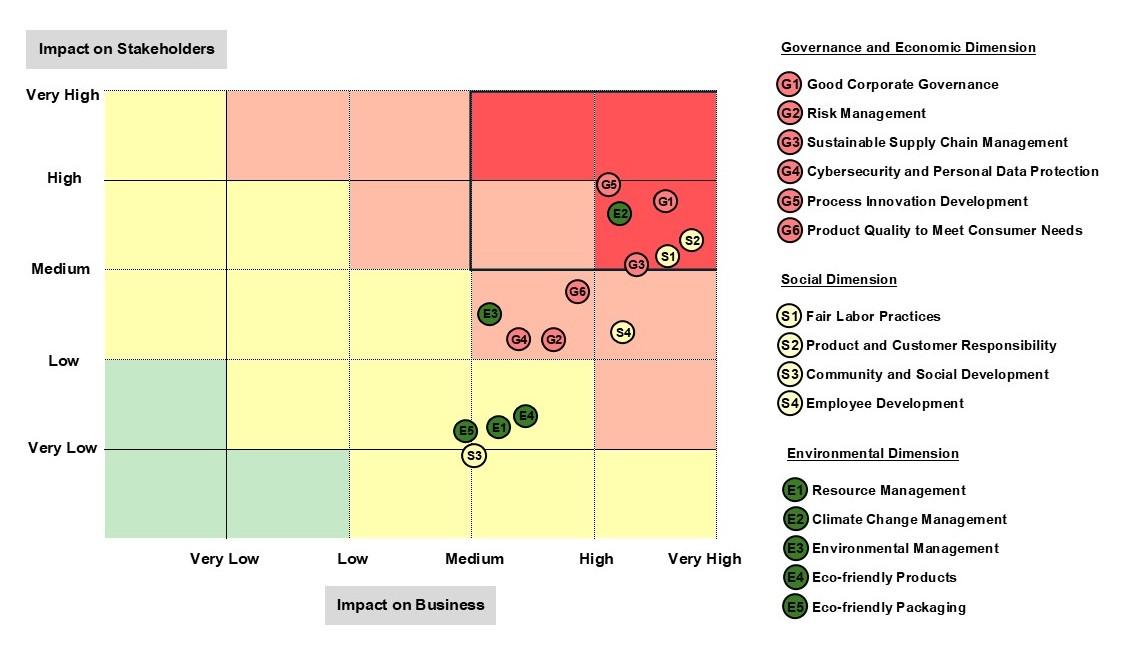
Identified key sustainability issues include:
Governance and Economic Dimension
G1 Good Corporate Governance. (High Materiality Issue)
G2 Risk Management.
G3 Sustainable Supply Chain Management (High Materiality Issue)
G4 Cyber Security and Personal Data Protection.
G5 Process Innovation Development. (High Materiality Issue)
G6 Product Quality to Meet Consumer Needs.
Social Dimension
S1 Fair Labor Practices. (High Materiality Issue)
S2 Product and Customer Responsibility. (High Materiality Issue)
S3 Community and Social Development.
S4 Employee Development.
Environmental Dimension
E1 Resource Management.
E2 Climate Change Management. (High Materiality Issue)
E3 Environmental Management.
E4 Eco- Friendly Products.
E5 Eco- Friendly Packaging.
Based on assessment and prioritization, the company has identified high-materiality issues. a total of 6 issues that significantly impact business operations and stakeholders: Good Corporate Governance, Sustainable Supply Chain Management, Process Innovation Development, Fair Labor Practices, Product and Customer Responsibility, and Climate Change Management.
The company has clearly defined goals and operational policies for each area, especially for high-materiality issues such as environmental policy, human rights policy, occupational safety, health, and environmental policy, as well as stakeholder engagement policy.
The Corporate Governance and Sustainable Development Committee has appointed a Corporate Governance and Sustainable Development Subcommittee, comprising representatives from relevant agencies. Its duties include setting goals and plans based on nationally and internationally recognized principles, such as the Sustainable Development Goals (SDGs). aligned with organizational strategy, including driving plans to achieve goals, continuously monitoring and evaluating performance, to be presented to the Corporate Governance and Sustainable Development Committee transparently and systematically.
Governance and Economic Dimension
G1 Good Corporate Governance
Short-term goals (1-2 years)
1. Obtain CAC certification by 2025.
2. Achieve an SET ESG Rating of AA by 2025.
3. Achieve a 'Good' rating in the FTSE Russell ESG Score.
Medium-term goals (3-5 years)
1. Participate in the CAC Change Agent.
2. Maintain a 'Good' rating in the FTSE Russell ESG Score.
3. Achieve ASEAN Asset Class rating in the ASEAN CG Scorecard assessment.
Long-term goals (more than 5 years)
1. Continuously renew CAC certification.
2. Maintain sustainable good corporate governance ratings and standards.
G2 Risk Management
Short-term goals (1-2 years)
1. Develop a business continuity plan for warehouse flooding incidents.
2. Annual business continuity plan drills.
3. Employee training on various risks and incident reporting processes.
4. Develop a Mitigation Plan to reduce all operational risks to an acceptable level.
Medium-term goals (3-5 years)
1. Develop an organizational business continuity plan to cover all dimensions of business continuity management risks by 2027.
Long-term goals (more than 5 years)
1. Develop a sustainable risk management organizational culture.
2. Fully integrate risk management into all organizational work processes.
G3 Supply Chain Management
Short-term goals (1-2 years)
1. All Tier 1 and 2 suppliers sign the Supplier Code of Conduct.
2. All new suppliers must pass ESG assessment criteria.
No violations of environmental and social laws.
Initial supplier assessment score of not less than 50%.
ESG supplier assessment score of not less than 60%.
3. 60% of domestic Tier 3 suppliers sign the Supplier Code of Conduct.
4. 100% of domestic suppliers must have no environmental law violations.
Medium-term goals (3-5 years)
1. All Tier 1 and 2 suppliers sign the Supplier Code of Conduct, and 60% of domestic Tier 4 suppliers sign the Supplier Code of Conduct.
2. All suppliers must pass ESG assessment criteria.
No violations of environmental and social laws.
Initial supplier assessment score of not less than 50%.
ESG supplier assessment score of not less than 60%.
3. 80% of domestic Tier 1 suppliers undergo ESG Onsite audits by 2027.
Long-term goals (more than 5 years)
1. 100% of both domestic and international suppliers must have no violations of environmental and social laws.
2. 30% of annual product orders from companies in Thailand for distribution.
3. Establish a fully sustainable supply chain.
4. Develop strategic collaborations with partners to create sustainability innovations.
G4 Cybersecurity and Personal Data Protection
Short-term goals (1-2 years)
1. Cybersecurity
Zero incidents of system breaches, information security threats, or other cybersecurity events.
Zero incidents of data breaches, including leakage, theft, and loss of personal data.
2. Personal Data Protection
Number of personal data leakage complaints equals zero.
Number of personal data leakage complaints from regulatory bodies equals zero.
Medium-term goals (3-5 years)
1. Cybersecurity
Zero incidents of system breaches, information security threats, or other cybersecurity events.
Zero incidents of data breaches, including leakage, theft, and loss of personal data.
2. Personal Data Protection
Number of personal data leakage complaints equals zero.
Number of personal data leakage complaints from regulatory bodies equals zero.
3. Implement and develop the ISO/IEC 27001 standard system to achieve certification.
4. Enhance data storage by migrating 100% of data from servers to the cloud to improve operational efficiency and prevent data loss from unforeseen events.
5. 100% of target employees receive training to build knowledge and understanding of cybersecurity and personal data protection.
Long-term goals (more than 5 years)
1. Cybersecurity
Zero incidents of system breaches, information security threats, or other cybersecurity events.
Zero incidents of data breaches, including leakage, theft, and loss of personal data.
2. Personal Data Protection
Number of personal data leakage complaints equals zero.
Number of personal data leakage complaints from regulatory bodies equals zero.
3. Proceed with applying for ISO/IEC 27701: 2019 Privacy Information Management certification (or any new version officially announced in the future). This will be pursued after obtaining ISO/IEC 27001 certification, as it is an extension standard of ISO/IEC 27001.
4. Develop an efficient personal data management system, aiming for zero complaints regarding customer privacy violations and customer data loss.
G5 Process Innovation Development
Short-term goals (1-2 years)
1. Enhance the operational efficiency of the new Point of Sale (POS) system, with a plan to install it across 100% of all branches by May 2025. The objective is to increase stability and flexibility, and improve transaction management and sales data analysis capabilities to support the stable and sustainable expansion and growth of the business in the future.
2. Improve work processes, record debt accruals, assets, and prepare financial statements in the SAP system, aiming to reduce working time by 50% by 2025.
3. Enhance import planning efficiency by setting inventory levels at 3.8-4.8 times the estimated monthly sales during February to September, and 3.0-5.8 times during October to January of 2025.
Medium-term goals (3-5 years)
1. Develop data management and analysis to enable all parties to efficiently access and utilize data. Develop an automated reporting system that meets the specific needs of each party.
2. Develop a Data Transformation and Analytics system to enhance the Data Center, enabling the business to access necessary data for creating new opportunities to increase revenue, reduce costs in various processes, or innovate and rapidly adapt to market changes.
3. Develop appropriate and modern technological or online media systems (E-Learning) to continuously enhance employees' skills and knowledge.
4. Develop a warehouse management system to enhance operational efficiency in product handling and reduce stock shortages or overstocking.
5. Increase the use of automation technology in Supply Chain operations to ensure fast and accurate work processes, reduce reliance on human intervention in managing various processes, and lower costs while enhancing management efficiency from procurement to product delivery.
Long-term goals (more than 5 years)
1. Develop a system utilizing AI to enhance organizational work processes for convenience, speed, and accuracy, and use AI to improve various processes such as data analysis, production process management, customer support, and business planning.
2. Develop a real-time transportation dashboard system to instantly track and monitor transportation status, and optimize delivery planning for maximum efficiency.
G6 Product Quality to Meet Consumer Needs
Short-term goals (1-2 years)
1. Product quality complaints per annual sales less than 1%.
2. Review and revise product return and claim procedures in writing.
3. Establish a system for recording and tracking quality complaints.
Medium-term goals (3-5 years)
1. Product quality complaints per annual sales less than 1%.
2. Set a timeframe for completing factual investigations within 30 days after acknowledging quality complaints.
3. Develop a system for analyzing the causes and preventive measures for quality complaints.
Long-term goals (more than 5 years)
1. Product quality complaints per annual sales less than 1%.
2. Develop and implement a quality and product recall policy.
3. Develop a preventive quality management system covering the entire production process.
Environmental Dimension
E1 Resource Management
Energy Resource Management
Short-term goals (1-2 years)
1. Reduce electricity consumption at the Head Office (HQ) and warehouses by at least 5% from the 2023 baseline.
2. Study the feasibility of installing additional solar panels in warehouse areas.
Medium-term goals (3-5 years)
1. Transition to clean energy.
2. Study the feasibility of using electric vehicles (EVs) to replace the company's transport vehicles at Om Yai Warehouse, aiming for 20% of all transport vehicles to be EVs.
3. Reduce electricity consumption at the Head Office (HQ) and warehouses by 8% from the 2023 baseline.
4. Increase the proportion of renewable energy used in business operations to at least 10%.
Long-term goals (more than 5 years)
1. Expand the use of EV transport vehicles at Om Yai Warehouse to cover 40% of all transport vehicles.
2. Reduce electricity consumption at the Head Office (HQ) and warehouses by more than 10% from the 2023 baseline.
3. Increase the proportion of renewable energy used in business operations to at least 15%.
Water Resource Management
Short-term goals (1-2 years)
1. Reduce annual water consumption by 3% for warehouses and standalone branches from the 2023 baseline.
2. Develop a quarterly water usage tracking system.
3. Improve water usage efficiency in cleaning processes.
Medium-term goals (3-5 years)
1. Reduce annual water consumption by 6% for warehouses and standalone branches compared to the 2023 baseline.
2. Develop an automated water usage data collection system.
3. Install water-saving devices at all points of use.
Long-term goals (more than 5 years)
1. Reduce annual water consumption by 12% for warehouses and standalone branches compared to the 2023 baseline.
2. Reuse at least 20% of total water consumption for warehouse cleaning by 2034.
3. Develop an integrated water management system.
4. Establish sustainable water usage standards for all departments.
Waste Resource Management
Short-term goals (1-2 years)
1. Awareness Building and Engagement
Develop public relations materials on waste separation to cover 100% of employees at all levels.
Implement at least 1 waste separation promotion project with communities per year.
2. Improve waste separation operations.
Develop 4 type waste separation system (general waste, recyclable waste, hazardous waste, and non-hazardous waste) at Om Yai Warehouse by 2024.
Expand the waste separation system to the head office by early 2025.
Ensure 100% of employees have the knowledge and understanding to correctly separate waste.
Medium-term goals (3-5 years)
1. Om Yai Warehouse
Reduce landfill waste by 15% compared to the 2024 baseline.
2. Head Office
Reduce waste volume by 5% compared to the 2024 baseline.
Develop an integrated waste management system based on the 3R principles (Reduce, Reuse, Recycle).
Long-term goals (more than 5 years)
1. Om Yai Warehouse
Reduce landfill waste by 30% compared to the 2024 baseline.
Systematically enhance waste utilization and recycling.
Reduce waste volume by 10% compared to the 2024 baseline.
Foster an organizational culture that prioritizes sustainable waste management.
Develop into a model office with efficient waste management.
E2 Climate Change Management
The company has set 3 short-term quantitative targets for reducing greenhouse gas emissions. levels as follows :
Short-term goals (1-2 years)
Reduce direct and indirect greenhouse gas emissions (Scope 1 and Scope 2) by 5% from the 2023 baseline in the operations of the company's head office, warehouses, and branches under direct energy consumption control.
Medium-term goals (3-5 years)
Reduce direct and indirect greenhouse gas emissions (Scope 1 and Scope 2) by 8% from the 2023 baseline in the operations of the company's head office, warehouses, and branches under direct energy consumption control.
Long-term goals (more than 5 years)
The company has set long-term quantitative targets for reducing greenhouse gas emissions. with the goal of reducing direct and indirect greenhouse gas emissions in (Scope 1 and Scope 2) 20% reduction from the 2023 baseline in the operations of the company's head office (HQ), warehouses, and branches under direct energy consumption control. The company's main goal is to achieve Carbon Neutrality. (Scope 1 and Scope 2) by 2050, and set a target of Net Zero Emissions. across all scopes by 2065. Baseline data collection for Scope 3 greenhouse gas emissions will begin, and feasibility studies for emission reduction will commence in 2027 to prioritize greenhouse gas reduction in various areas, starting with the highest proportion of greenhouse gas emissions as a starting point, while planning and studying appropriate greenhouse gas reduction approaches.
Furthermore, the implementation of these plans and targets will not only help reduce environmental impact but also demonstrate the company's commitment to being part of the solution to climate change, aligning with the Paris Agreement's goal of limiting the global average temperature increase to well below 1.5-2.0 degrees Celsius.
To align with the company's business operations, targets have been set for reducing direct and indirect greenhouse gas emissions (Scope 1 and Scope 2) Only for the operations of the company's head office, warehouses, and branches that are under direct energy consumption control.
E3 Environmental Management
Short- to long-term goals (1 - more than 5 years)
The company places the highest priority on strict compliance with environmental laws and regulations, setting a primary operational goal of zero environmental law violations in all forms. The company is committed to maintaining operational standards to prevent incidents that could lead to warning letters from government agencies, fines, or environmental lawsuits. Clear success indicators have been established: the number of environmental law violations must be zero cases per year, reflecting true efficiency in environmental management and responsibility.
E4 Eco-Friendly Products
Short-term goals (1-2 years)
1. By 2025, have at least 1 collection of Eco-Friendly Products.
Medium-term goals (3-5 years)
2. Add 5 collections of Eco- Friendly Products by 2030.
Long-term goals (more than 5 years)
1. Increase the number of Eco- Friendly Products by 10% compared to the previous year.
E5 Eco-Friendly Packaging
Short-term goals (1-2 years)
1. Reduce product plastic wrapping for 3 SKUs per year.
2. Study and experiment with Eco-friendly alternative materials.
Medium-term goals (3-5 years)
1. Develop sustainable and more recyclable packaging.
2. Convert tags from general paper to recycled paper by 2027.
3. Expand the use of recycled materials in other types of packaging.
Long-term goals (more than 5 years)
1. Increase the conversion of packaging materials to recycled materials or reduce packaging usage for at least 4 products per year.
2. Continuously develop environmentally friendly packaging innovations to support long-term sustainability goals.
Social Dimension
S1 Fair Labor Practices
Short- to medium-term goals (1-5 years)
1. Set a target of zero human rights violations.
2. Set a target of zero labor law violations (in cases where the company receives warnings from government agencies or external organizations, such as NGOs, including cases of fines or legal disputes related to labor law violations).
Long-term goals (more than 5 years)
1. Set a target of zero human rights violations.
2. Set a target of zero labor law violations (in cases where the company receives warnings from government agencies or external organizations, such as NGOs, including cases of fines or legal disputes related to labor law violations).
3. Set a target of zero accident incidents.
S2 Product and Customer Responsibility
Short-term goals (1-2 years)
1. Set a target of zero complaints regarding exaggerated advertising, misleading communication, and consumer rights violations.
2. Conduct customer satisfaction surveys and complete a customer satisfaction development plan.
3. Elevate product quality and safety management standards to enhance consumer satisfaction and trust.
Medium-term goals (3-5 years)
1. Enhance the strictness of supplier audits by engaging third-party auditors to monitor compliance with the Supplier Code of Conduct.
2. Conduct random inspections of at least 1 Tier 1 supplier per year that produces goods affecting consumer health and safety.
3. Develop a more efficient consumer complaint management and redress system.
Long-term goals (more than 5 years)
1. Establish a sustainable supply chain management system covering all levels of suppliers.
2. Develop a product traceability system covering all product groups.
3. Establish international standards for consumer responsibility operations.
S3 Community and Social Development
Short-term goals (1-2 years)
1. Organize waste management knowledge activities for communities near offices/warehouses/branches at least twice a year.
2. Support income generation for communities near warehouses, increasing by 5% from the 2023 baseline.
3. Promote youth development through annual scholarships for employees' children, with 80% of scholarship recipients required to maintain a record of good deeds.
Medium-term goals (3-5 years)
1. Organize waste management knowledge activities for communities near offices/warehouses/branches at least twice a year.
2. Support income generation for communities near warehouses, increasing by 10% from the 2023 baseline.
3. Promote youth development through annual scholarships for employees' children, with 90% of scholarship recipients required to maintain a record of good deeds.
Long-term goals (more than 5 years)
1. Organize waste management knowledge activities for communities near offices/warehouses/branches at least twice a year.
2. Support income generation for communities near warehouses, increasing by 20% from the 2023 baseline.
3. Promote youth development through annual scholarships for employees' children, with 100% of scholarship recipients required to maintain a record of good deeds.
S4 Employee Capability Development
Short-term goals (1-2 years)
1. Employees have an average of 10 training hours per person per year.
2. Employee satisfaction score with development of not less than 85%.
3. New employee satisfaction score with the Onboarding program of not less than 8%.
4. Employee knowledge test scores of not less than 85%.
5. Employee engagement and satisfaction assessment results at 85%.
6. Voluntary employee turnover rate not exceeding 30%.
Medium-term goals (3-5 years)
1. Employees have an average of 11 training hours per person per year.
2. Employee satisfaction score with development of not less than 90%.
3. New employee satisfaction score with the Onboarding program of not less than 90%.
4. Employee knowledge test scores of not less than 90%.
5. Employee engagement and satisfaction assessment results at 90%.
6. Voluntary employee turnover rate not exceeding 30%.
7. Number of new projects related to various innovations or Knowledge Sharing in various fields, 3 projects within 5 years.
Long-term goals (more than 5 years)
1. Employees have an average of 12 training hours per person per year.
2. Employee satisfaction score with development of not less than 95%.
3. New employee satisfaction score with the Onboarding program of not less than 95%.
4. Employee knowledge test scores of not less than 95%.
5. Employee engagement and satisfaction assessment results at 95%.
6. Voluntary employee turnover rate not exceeding 30%.
7. Number of new projects related to various innovations or Knowledge Sharing in various fields, not less than 5 projects within 7 years.
UN Sustainable Development Goals
| SDG Goal |
|---|
| Goal 1 No Poverty |
| Goal 3 Good Health and Well-being |
| Goal 4 Quality Education |
| Goal 5 Gender Equality |
| Goal 6 Clean Water and Sanitation |
| Goal 7 Affordable and Clean Energy |
| Goal 8 Decent Work and Economic Growth |
| Goal 9 Industry, Innovation and Infrastructure |
| Goal 11 Sustainable Cities and Communities |
| Goal 12 Responsible Consumption and Production |
| Goal 13 Climate Action |
| Goal 16 Peace, Justice and Strong Institutions |
Policy Review
Policy Reviewed This Year
Yes
Policy Changed This Year
No
Review Details
The Company prioritizes developing and driving its business towards sustainability to ensure stable growth and comprehensively meet the expectations of its stakeholders. Therefore, it has established a sustainable development framework that covers environmental, social, and governance and economic dimensions (ESG). in every step of the Company's business operations and disseminated to various operational levels. sustainability management policy has been established, covering environmental, social, and governance and economic dimensions. This policy is regularly reviewed to update its scope to align with the Company's business characteristics, which tend to change according to the dynamics of sustainable development at both national and international levels.
Impacts on Stakeholders — Overview
Introduction
The Company operates as a retail business, distributing a total of 13 product categories, namely: household items, stationery, bags, dolls, apparel, fashion, beauty accessories, cosmetics, IT gadgets, toys, snacks, pet products, and others. The products can be categorized into two types : products under the Company's brand (House Brand) and products under other brands (Non-house Brand). All of the Company's products are distributed through various branch stores, including both retail and wholesale outlets, across all regions of Thailand. The Company procures and contracts for product manufacturing by contacting manufacturers or partners both domestically and internationally, selecting partners whose quality and standards align with the Company's policy. Subsequently, detailed agreements are made regarding product specifications, delivery terms, production, and payment, and product quality is verified to meet specifications before being moved into warehouses and retail stores.
Business Value Chain
Introduction
The Company's value chain comprises key activities 5 activities, namely inbound logistics, operations, outbound logistics, marketing and sales, and after-sales service, as well as a total of 6 support activities, namely human resource management, accounting and financial system management, technology development, procurement, store management, and infrastructure.
The Company recognizes the importance of sustainable supply chain management and has therefore integrated principles of corporate governance and sustainable development (ESG) into its procurement processes and partner management throughout the value chain. This begins with the partner selection process, where the Company has established comprehensive evaluation criteria covering environmental, social, and governance dimensions. All partners are required to adhere to the Company's Partner Code of Conduct, which sets operational standards in various areas such as labor rights, health and safety, environmental management, and ethical business practices.
Furthermore, the Company regularly conducts processes for monitoring and evaluating business partners, especially those with high risks in terms of ESG. The Company has established a system for monitoring and evaluating partner performance, while also supporting capacity building through training programs and consultations to elevate partners' ESG standards in alignment with the Company's sustainability goals, which will lead to a responsible and sustainable supply chain in the long term.
Value Chain Description
The Company's value chain consists of 5 main activities: Input Management, Operations, Distribution, Marketing and Sales, and After-Sales Service, as follows :
1. Production Input Management
The Company manages production inputs starting from market analysis and research to gain deep insights into consumer demand, followed by planning the production and distribution of products that meet the needs of target customers. Subsequently, products and packaging are designed to ensure functionality and modern aesthetic appeal in accordance with the established plan. In doing so, the Company places emphasis on reducing the use of plastic and consumable materials, ensuring convenience in storage and transportation, as well as considering environmental impacts throughout the product life cycle (Life Cycle Assessment). The Company also promotes the use of recyclable or environmentally friendly materials.
At the same time, the Procurement and Product Development Department plans the sourcing of raw materials to ensure adequate supply for production, while negotiating prices and terms to achieve the greatest benefit to the Company. Strict quality control of raw materials is implemented, together with appropriate inventory management to optimize storage costs. The Company places importance on responsible and sustainable sourcing by considering the origin of raw materials and their environmental and social impacts. In addition, the Company avoids sourcing raw materials from conflict areas or those with potential human rights risks in accordance with the Conflict Minerals Policy.
For products involving intellectual property rights, the Company carefully verifies the validity of rights and ownership status prior to entering into negotiations on commercial terms and preparing agreements that clearly define the scope of usage. The Company also maintains a systematic process for tracking contract renewal schedules and monitoring compliance with contractual conditions to ensure that operations are conducted accurately and in compliance with relevant requirements.
The Company selects business partners based on evaluation criteria covering product quality, reliability, and production capability, including consideration of relevant manufacturing standards and certifications. The Company has established a Supplier Code of Conduct covering standards on labor rights, occupational health and safety, environmental protection, anti-corruption practices, and respect for human rights. All suppliers are required to acknowledge and comply with this code of conduct. Furthermore, the Company has implemented an ESG risk assessment process for suppliers and conducts regular audits of high-risk suppliers. Selected suppliers are continuously evaluated and monitored to strengthen long-term relationships and promote mutual growth. The Company also implements a Supplier Development Program aimed at enhancing ESG standards and building a sustainable supply chain. In cases where non-compliance is identified, the Company works with suppliers to develop a Corrective Action Plan and closely monitors progress. If improvements are not made, the Company may consider terminating the business relationship.
Prior to actual production, all products undergo strict quality and safety testing, including obtaining necessary certifications to ensure that products manufactured for distribution meet the required quality standards and are safe for consumers.
2. Operations
The Company places importance on rigorous inspection procedures for goods received from suppliers to ensure that all products meet the required quality standards. This process also includes verification of compliance with ESG standards, as well as safety and environmental requirements. The procedures cover document verification, physical inspection of products, and complete recording of information into the system. In addition, the Company has implemented a traceability system that enables the tracking of products back to their sources and suppliers.
Following the inspection process, the Company manages its warehouse operations using modern technology. This includes inventory control, appropriate storage management, and continuous monitoring of product status until delivery to the destination. The Company emphasizes efficient warehouse management in order to minimize waste and loss. Environmental control measures are also implemented within the warehouse to reduce energy consumption and environmental impact, such as the use of energy-efficient lighting and air-conditioning systems, proper waste management, and the promotion of recycling for packaging and residual materials. Furthermore, the Company has established an efficient and timely problem-resolution system in the final stages of the process.
For the assembly of new products, the Company focuses on product aesthetics, user safety, and the quality of packaging. The Company also studies and applies eco-design principles to reduce environmental impacts throughout the product life cycle and promotes the use of recyclable or environmentally friendly materials. In addition, the Company prioritizes the health and safety of employees involved in production and assembly processes by implementing strict safety measures, providing regular training programs, and ensuring the availability of appropriate personal protective equipment (PPE). The Company also maintains a reporting and management system for accidents and near-miss incidents to continuously prevent and reduce risks. Through these efforts, the Company aims to maximize customer satisfaction and effectively respond to market demands, while operating within a framework of social and environmental responsibility.
3. Distribution
The Company focuses on comprehensive transportation management and customer service through an integrated logistics system. Transportation route planning is designed with consideration for delivery timelines and the specific requirements of each branch, while optimizing routes to reduce greenhouse gas emissions and fuel consumption (Route Optimization). In addition, the Company maintains quality control systems and close coordination between retail stores and distribution centers to ensure that products are delivered on time and in good condition, ready for sale. The Company also promotes the study and adoption of environmentally friendly vehicles, ensures regular vehicle maintenance to achieve optimal efficiency, and reduces unnecessary packaging used in the transportation process.
Furthermore, the Company carefully selects transportation and logistics partners that adhere to ESG standards and demonstrate responsibility toward the environment and society. The Company regularly evaluates and monitors the performance of its suppliers and partners and works collaboratively with them to further develop and improve transportation processes to enhance sustainability.
In terms of transportation safety, the Company establishes strict safety standards for drivers and logistics personnel. Regular training programs on safe driving and proper product handling are provided, and safety incidents are monitored and reported for continuous improvement. The Company also maintains a systematic logistics performance monitoring and evaluation system, including setting targets to reduce environmental impacts, such as lowering CO2 emissions per transportation unit and improving energy efficiency, in support of the Company’s sustainability goals.
4. Marketing and Sales
The Company conducts marketing activities and builds customer relationships through the Strategic Development Department and the Product Sourcing and Development Department, which are responsible for analyzing and setting competitive pricing. These departments work closely with the Marketing Department to communicate product information clearly and transparently, including disclosure of product ingredients, sources, safety standards, and potential environmental and social impacts. This enables customers to make informed purchasing decisions (Informed Choice). In addition, the Product Sourcing and Development Department and the Marketing Department jointly select high-potential products for promotion through online channels, while adhering to the principles of responsible marketing. The Company ensures that its advertising does not distort facts, does not use images or messages that may cause misunderstanding, and does not target vulnerable groups, particularly children and youth. Furthermore, the Company promotes environmentally friendly and socially responsible products in order to support sustainable consumption.
The Company has also developed a membership system that provides a wide range of benefits to customers. This system is supported by strict personal data protection measures in compliance with the Personal Data Protection Act (PDPA). The Company has established a clear Privacy Policy, obtains customers’ consent prior to the collection and use of personal data, and implements effective data security measures. Customers are also granted rights to access, correct, delete, or transfer their personal data. In 2025, the number of complaints and violations related to personal data protection laws (PDPA) was zero cases.
In addition, the Company provides selected product samples for customers to try and ensures that staff members are available at all branches to provide guidance and recommendations. Employees receive training on product knowledge, service excellence, and ethical sales practices, including the prohibition of forcing or persuading customers to purchase unnecessary or unsuitable products.
5. After-Sales Services
The Company places great importance on after-sales services and actively listens to customer feedback through various channels. The Company has established a product return policy that allows customers to return defective products within seven (7) days with a receipt. An efficient and fair process is in place to verify the issue and provide refunds or product replacements, without discrimination and in full respect of consumer rights in accordance with applicable laws.
The Company also provides multiple channels for receiving suggestions and complaints, including at branches and through the Company’s website, among others. Employees are available to address issues through a systematic problem-resolution process, with clearly defined response times and follow-up procedures until the matter is fully resolved. The Company collects and analyzes complaint data to identify root causes and continuously improve its processes, products, and services. In addition, the Company conducts annual customer satisfaction surveys through online channels to gather feedback for continuous operational improvement. The Company also monitors key performance indicators such as the Customer Satisfaction Score and the Net Promoter Score (NPS) to evaluate and enhance the overall customer experience.
The Company has six (6) supporting activities, namely human resource management, accounting and financial management, technology system development, procurement, retail store management, and infrastructure.
1. Human Resource Management
The Human Resources Department is responsible for the recruitment, selection, and development of capable personnel. The Company has established a Diversity and Inclusion policy that promotes equal employment opportunities without discrimination based on gender, age, race, religion, disability, or other factors unrelated to job performance. The Company continuously provides training and skill development programs for employees to support clear career development paths. In addition, the Company manages competitive and fair compensation and benefits, taking into consideration a living wage sufficient for employees’ livelihood, equal pay for equal work, and welfare benefits that cover both permanent and temporary employees. The Company also conducts fair and transparent performance evaluations and provides grievance mechanisms for employees who believe they have been treated unfairly, while promoting a positive organizational culture that supports employee well-being and job satisfaction.
The Company respects fundamental labor rights in accordance with the principles of the International Labour Organization (ILO), including freedom of association and the right to collective bargaining. The Company strictly prohibits child labor, forced labor, and discrimination. Furthermore, the Company has established accessible and secure grievance mechanisms that allow employees to report concerns or violations of their rights, while ensuring confidentiality and protection against retaliation (Non-retaliation).
2. Accounting and Financial Management
The Accounting and Finance Department is responsible for preparing accounting records and financial statements in accordance with applicable accounting standards, managing liquidity and working capital, and conducting tax planning in compliance with relevant laws. The Company adheres to the principle of responsible tax practices (Responsible Tax) and does not engage in aggressive tax planning for the purpose of tax avoidance. The department also prepares financial reports to support management decision-making, controls budget disbursements, and manages investments to ensure optimal benefits while considering ESG factors in investment decisions and risk management.
In addition, the Company has established effective internal control systems and conducts systematic internal audits to prevent fraud and corruption. The Company also ensures transparent and timely disclosure of financial information to all stakeholder groups.
3. Information Technology System Development
The Information Technology Department is responsible for developing and maintaining modern technology systems, including sales systems, inventory management systems, accounting systems, and other supporting systems. The department also ensures the security of data, particularly the personal data of customers and employees, in accordance with international standards. The Company manages cybersecurity risks and has established an Incident Response Plan to address potential emergencies. Regular training programs are conducted to enhance employees’ awareness of data security. In addition, the Company maintains systematic data backup processes and develops digital platforms to improve operational efficiency while reducing environmental impact, such as implementing paperless electronic documentation systems and selecting energy-efficient data centers. The department also provides technical support to employees at all levels.
4. Procurement
The Company has established a clear and transparent supplier selection process. The process begins with the Product Sourcing and Development Department and the Procurement Department conducting preliminary due diligence on potential suppliers, including verification of business licenses, financial status, and operational history. Suppliers that pass the initial screening are required to undergo an ESG assessment covering environmental, social, and governance aspects, including labor practices, safety standards, and anti-corruption measures. All suppliers must acknowledge and comply with the Company’s Supplier Code of Conduct, which sets out standards relating to human rights, labor rights, health and safety, environmental responsibility, and business ethics.
The Company compares supplier quotations with market prices and conducts a total cost and value analysis before entering into negotiations on pricing and commercial terms. Such negotiations are conducted in accordance with the principles of fairness and transparency, and the Company strictly prohibits the solicitation or acceptance of any improper benefits from suppliers. The proposed procurement will then be submitted to the authorized approver in accordance with the established approval limits. Once approved, the supplier will be formally registered. Suppliers that fail to meet the criteria at any stage will be excluded from the process.
After supplier registration, the Company regularly monitors and evaluates supplier performance in terms of product quality, on-time delivery, and compliance with ESG standards. Supplier audits are conducted for high-risk suppliers or those with high procurement value. In cases where non-compliance is identified, the Company will work collaboratively with the supplier to establish a Corrective Action Plan and closely monitor its implementation. If improvements are not achieved, the Company may consider reducing the procurement volume or terminating the business relationship. In addition, the Company implements a Supplier Development Project to enhance suppliers’ ESG standards and to jointly build a sustainable supply chain.
5. Retail Store Management
Retail store management, under the supervision of the Sales Department, is primarily the responsibility of the Area Manager, who plays a key role in overseeing branch operations to ensure compliance with the Company’s operational standards. This includes supervising sales readiness and service delivery, maintaining service quality standards, and developing and training personnel to enhance service excellence. Training programs also cover ethical sales practices, fair treatment of customers, and accessible services for all customer groups, including persons with disabilities and the elderly.
In addition, the Area Manager is responsible for ensuring cleanliness and orderliness within the branches, managing inventory to ensure adequate product availability to meet customer demand, and reducing losses and waste through effective management of products with shelf-life considerations. The Area Manager also creates an attractive store environment while promoting energy efficiency, such as the efficient use of lighting and air-conditioning systems. Furthermore, the Area Manager oversees the management of customer complaints and ensures that issues are resolved systematically and efficiently, thereby supporting smooth store operations and maximizing customer satisfaction.
The Store Manager is also responsible for overseeing the safety of both employees and customers within the store, including the management of emergency situations such as fires, earthquakes, or other unforeseen incidents. Clear emergency response plans are established, and regular drills are conducted to ensure preparedness.
6. Infrastructure
The Company provides infrastructure that supports its business operations, including office buildings, warehouses, transportation systems, utilities, and other facilities. These infrastructures are regularly maintained to ensure safety and a healthy working environment. The Company also focuses on designing and maintaining buildings with energy efficiency in mind, including the installation of water- and energy-saving systems, the use of renewable or clean energy, and the proper management of waste and wastewater.
In addition, the Company continuously plans for the expansion and improvement of its infrastructure to support future business growth. Such development takes into consideration green building principles and environmental impact assessments prior to the construction or expansion of facilities. Furthermore, the Company places importance on accessibility for persons with disabilities in all office buildings and retail stores, in order to promote equality and ensure that facilities and services are accessible to everyone.
Stakeholder Analysis
Introduction
Stakeholder Identification and Engagement
The Company recognizes that sustainable business operations must consider the impacts and expectations of all relevant stakeholders. Therefore, it has analyzed and identified stakeholders directly and indirectly related to the business's value chain, categorizing them into 8 main groups: customers, business partners, employees, shareholders, business alliances, lessors, communities and society, and government agencies. To ensure efficient stakeholder management, the Company has established a systematic work process in accordance with the Stock Exchange of Thailand's sustainability data development framework. This framework covers annual stakeholder analysis reviews, the development of appropriate engagement channels and communication methods, and the systematic definition of approaches to respond to the expectations of each group. The evaluation results are presented to the Board of Directors and continuously monitored. Furthermore, participation in the sustainability data development project with the Stock Exchange of Thailand has provided the Company with expert advice and support, confirming that the Company's work processes adhere to good standards and practices. This leads to the effective and successful development of strategies and the driving of sustainable business plans.
In the annual assessment of material issues, 2025 The Company conducts an analysis of material sustainability issues, referencing the guidelines of the Stock Exchange of Thailand and international reporting standards ( The Company has collected and analyzed data from various sources, including comparisons with companies in the same or similar industries both domestically and internationally, and sustainability indicators ( ESG Metrics) the Stock Exchange of Thailand's service groups, as well as data from rating agencies such as MSCI and S&P Global and compared with the prioritization results from the previous year, alongside considering changes in the business context arising from various factors such as business direction, stakeholder behavior, and government policies, to define clear sustainability issues for annual impact assessment and prioritization.
Process and Steps for Assessing Material Sustainability Issues for the Year 2025
The Company has conducted the assessment of material sustainability issues according to the following processes and steps :
1. Identification of Material Issues
The Company has identified material sustainability issues by collecting data from various reference sources, before being jointly screened within the organization. The selection process considers relevance to the Company's value chain and business activities, leading to a systematic analysis of both positive and negative impacts, which forms a crucial foundation for defining the organization's sustainability management approach.
The impact analysis for each issue considered the perspectives of all 8 stakeholder groups, comprising :
1. Customers
2. Business Partners
3. Employees
4. Shareholders
5. Business Alliances
6. Lessors
7. Communities and Society
8. Government Agencies
The Company has established impact assessment criteria divided into 5 levels: very high, high, medium, low, and very low, referencing the organization's risk management guidelines ( COSO ERM) to ensure efficient and standardized data communication and comparative analysis.
Impact analysis is referenced from internal departments responsible for or involved with each stakeholder group, covering dimensions of corporate governance, economy, society, and environment. including climate change and greenhouse gas emissions, as well as human rights. The Company plans to develop a more comprehensive approach to reviewing the prioritization of sustainability issues, with future plans to survey and interview direct stakeholders to ensure that the analysis process truly reflects their perspectives and expectations.
2. Prioritization
The Company has assessed the impacts of the identified sustainability issues through internal discussions and presented the conclusions to the Corporate Governance and Sustainable Development Subcommittee. to define a total list of sustainability issues for the Company 15 Issues
From the assessment, the Company has selected 5 The key issues selected as material sustainability issues for the Company are determined based on potential impacts, the Company's business direction, trends among key stakeholders, and the Company's potential to develop management approaches to meet stakeholder expectations and drive the organization towards sustainable growth.
3. Prioritization for Reporting
The Company has summarized the material sustainability issues, which have been reviewed by the Corporate Governance and Sustainable Development Subcommittee, and presented them to the Executive Board, as well as the Corporate Governance and Sustainable Development Committee, to verify their suitability and alignment with the Company's business context and strategy. Once approved by the Corporate Governance and Sustainable Development Committee, these issues are officially considered material sustainability issues for the Company and will be used as guidelines for operations and for preparing the organization's sustainability report.
Stakeholder Analysis
| Stakeholder Type | Stakeholders | Stakeholder Expectations | Response to Expectations | Communication Activities |
|---|---|---|---|---|
| Internal stakeholders | 2921 · Description: Employees | • Fair compensation and good welfare
• Career advancement
• Respect for human rights
• Participation in the organization through expressing opinions
• Safety, occupational health, and working environment
• Efficient tools and work systems | • Provide appropriate and fair compensation and benefits that are competitive with the labor market.
• Provide training in skills relevant to job responsibilities and development opportunities for career growth within the organization.
• Listen to opinions and suggestions for improvement.
• Organize activities to promote relationships and foster engagement.
• Maintain a safe working environment and provide adequate and appropriate tools for work. | 2942 · Description: Internal Meeting · 2947 · Description: Satisfaction Survey · 2948 · Description: Training / Seminar · 2949 · Other name: KPI Assignment and Performance Tracking · Description: Others · 2949 · Other name: Announcement Board · Description: Others · 2949 · Other name: Intranet · Description: Others · 2949 · Other name: Face-to-face meeting · Description: Others |
| External stakeholders | 2923 · Description: Customers | • Develop, design, and distribute diverse products at appropriate prices.
• High-quality pre- and post-sales services.
• Maintaining the security of personal data.
• Receiving accurate and timely news, product information, and various activities. | • Develop, design, and distribute a diverse range of products at appropriate prices.
• Organize activities, promotions, or special privileges. • Provide channels for receiving complaints through company channels.
• Develop a customer data management system to protect personal information and ensure security.
• Create accurate and timely news content for communication with customers through various channels.
• Provide regular employee training to ensure excellent customer service. | 2941 · Description: Online Communication · 2945 · Description: Complaint Reception · 2947 · Description: Satisfaction Survey · 2949 · Other name: Consultation · Description: Others |
| External stakeholders | 2899 · Description: Suppliers | • Fair Trade
• Joint Development and Growth
• Increased Order Volume
• Transparent Business Operations
• Timely Management and Payment
• Purchasing Plan | • Treat business partners equitably
• Maintain clear procurement processes
• Comply with trade laws and conditions
• Ensure accurate and timely payment schedules
• Collaborate on product development
• Declare intentions and participate in the Thai private sector's collective efforts to combat corruption | 2938 · Description: Visit · 2943 · Description: External Meeting · 2945 · Description: Complaint Reception · 2949 · Other name: Email · Description: Others |
| External stakeholders | 2913 · Description: Shareholders | • Returns from operational performance
• Disclosure of company information and operational results accurately, completely, and timely
• Protection of rights and equality
• Strategies, plans, and development directions for business growth
• Good corporate governance | • Accurate and timely disclosure of information
• Transparent business operations in accordance with good corporate governance principles
• Providing opportunities for shareholders to directly submit comments and complaints to the company
• Aiming to generate continuous long-term returns | 2938 · Description: Visit · 2944 · Description: Annual General Meeting (AGM) · 2945 · Description: Complaint Reception · 2949 · Other name: Analysts' Meeting · Description: Others · 2949 · Other name: Listed Company Meets Investors · Description: Others · 2949 · Other name: Annual Information Form / Annual Report Form 56-1 One Report · Description: Others · 2949 · Other name: Information Disclosure through The Stock Exchange of Thailand · Description: Others |
| External stakeholders | 2900 · Description: Business partners | • Conduct business to maximize benefits and meet the objectives of all stakeholders, ensuring a win-win outcome for all parties.
• Maintain reliable, transparent, and verifiable operations. | • Select partners with a shared business vision
• Strive to develop operations and strictly adhere to mutual agreements or treaties | 2943 · Description: External Meeting |
| External stakeholders | 2931 · Description: Government agencies and Regulators | • Comply with laws • Promote good corporate governance • Fair and equitable competition • Support and cooperate in various activities • Effectively manage various complaints | • Conduct business transparently, fairly, accountably, and in compliance with laws • Disclose information transparently and completely • Support and cooperate in various activities | 2941 · Description: Online Communication · 2949 · Other name: Organize activities in collaboration with government networks · Description: Others · 2949 · Other name: Listen and exchange ideas · Description: Others |
| External stakeholders | 2936 · Other name: Lessor · Description: Others | • Receiving prompt cooperation and resolution of various issues;
• Receiving rent on time
• Maintaining the leased premises in good condition
• Organizing activities to attract more customers to the leased premises
• Sales growth | • Comply with trade rules and conditions
• Make payments according to terms and on time
• Implement measures to maintain leased premises
• Continuously organize activities to attract customers to purchase products | 2943 · Description: External Meeting · 2949 · Other name: Email · Description: Others · 2949 · Other name: Contract · Description: Others |
| External stakeholders | 2936 · Other name: Community and Society · Description: Others | • Listen to and support the development of society, including the quality of life of people in the community.
• Prioritize safety and environmental stewardship.
• Support and promote activities that benefit the community. | • To study, understand, and engage with the community to ensure responsive solutions.
• To create employment opportunities and income for the community.
• To preserve the ecosystem and the surrounding environment of warehouses and branches. | 2940 · Description: Social Event · 2941 · Description: Online Communication · 2945 · Description: Complaint Reception · 2949 · Other name: Annual Information Form / Annual Report Form 56-1 One Report · Description: Others |
Environmental Policy & Guidelines
Introduction
The Company recognizes and is committed to being part of the solution and mitigation of increasingly severe environmental and climate change issues. Therefore, the Company has established an environmental policy to guide responsible business operations towards the environment. The Company's environmental operational guidelines emphasize reducing greenhouse gas emissions, minimizing ecosystem impact, reducing waste to landfills, using environmentally friendly packaging, promoting environmentally friendly products, and raising environmental awareness.
1. Resource Management: The Company is committed to operating an environmentally friendly business and prioritizes reducing environmental impact at every stage of operations through promoting efficient energy use and resource conservation, as well as appropriate energy management in the head office and warehouses.
2. Climate Change Management: The Company aims to reduce greenhouse gas emissions from its activities and value chain, supports renewable energy projects, and prepares for various forms of natural disasters to ensure employees work in a safe environment and to create sustainable benefits for the community and society.
3. Environmental Management: The Company has established an efficient environmental management system, oversees and plans work to prevent violations of environmental laws, and allocates resources in a balanced manner between business operations and environmental conservation.
4. Environmentally Friendly Products: The Company has a policy to select and develop environmentally friendly products by increasing the proportion of recycled and naturally biodegradable materials, designing products and packaging to reduce resource consumption. The Company supports partners in developing sustainable products that meet consumer needs, considering the balance between environmental preservation, production costs, and consumer accessibility.
5. Environmentally Friendly Packaging: The Company has a policy to develop and increase the proportion of environmentally friendly packaging by using biodegradable, recyclable, or reusable materials, reducing the amount of materials and energy in production, promoting proper post-use management, and supporting the circular economy concept to reduce environmental impact.
Has an Environmental Policy
Yes
Policy Description
Environmental Policy
The Company is committed to developing, enhancing, and improving the efficiency of its operations and other activities throughout its value chain to manage various environmental issues with which the Company is involved, ensuring operations align with the Company's sustainable development policy and the Sustainable Development Goals (SDGs). The environmental policy details are as follows:
1. The Company adheres to and complies with national laws, environmental regulations, and recognized standards at both industrial and national levels, as well as environmental management measures related to the Company's operations, ensuring full compliance and performance within established criteria.
2. The Company promotes and supports sustainable supply chain management, as well as the procurement of environmentally friendly products and services, including environmental innovations that can help reduce environmental impacts and meet greenhouse gas (GHG) reduction targets. Promote the use of clean energy, energy conservation, and efficient resource utilization to reduce greenhouse gas emissions and contribute to addressing climate change.
3. The Company focuses on reducing resource consumption by adopting the concept of 3R (Reduce-Reuse-Recycle) into its operations.
4. The Company promotes the sustainable sourcing of goods and related materials including environmentally friendly products in collaboration with manufacturers to promote sustainable resource management practices.
5. The Company manages and enhances the efficiency of environmentally friendly transportation and distribution of goods.
6. The Company promotes awareness among all employees to consider and be mindful of environmental impacts and to participate in preventing adverse effects on natural resources and the environment.
7. The Company will operate in compliance with environmental laws and other relevant regulations.
Policy Document Link
https://www.moshimoshi.co.th/en/corporate-governance/policies-charters-and-corporate-documents
Environmental Guidelines
| Guideline | Other — Please Specify |
|---|---|
| Others | Environmental Policy |
Environmental Policy Review
Policy Reviewed This Year
Yes
Review Details
In accordance with good corporate governance principles, the Company reviews its policies at least once (1) a year. In 2025, at the Board of Directors Meeting No. 7/2025 held on December 23, 2025, the environmental policy was reviewed. No amendments were made as it remains consistent with the Company's operations.
Policies & Guidelines Changed
| Change | Other — Please Specify |
|---|---|
| Other | Environmental Policy |
Energy — Plan & Guidelines
Has an Energy Management Plan
Yes
Plan Description
The Company prioritizes efficient energy resource management, focusing on reducing environmental impacts from operational processes through regular review of environmental policies to achieve appropriate and sustainable approaches. The Company has adopted the principle of 3R (Reduce-Reuse-Recycle) to apply in the management of electrical energy, which is the primary energy source used in the Company's operations, impacting the business in the long term and all stakeholder groups. To achieve this goal, the Company has implemented proactive measures such as promoting the use of renewable energy and establishing guidelines for reducing energy consumption across all sectors of the organization.
Energy — Electricity Consumption
Electricity Consumption
| Metric | Current Year | Previous Year | Two Years Ago | Remark |
|---|---|---|---|---|
| Total electricity consumption within the organization (Kilowatt-Hours) | 10,421,054.47 | 8,592,233.49 | 6,872,972.2 | As the company operates a retail business with leased spaces in department stores, it must comply with the energy consumption measures of the lessors. Consequently, it cannot directly control the switching on/off of electricity and air conditioning. However, the company has opted to use energy-saving equipment to reduce electricity consumption in areas it can control. Therefore, to ensure that the target for reducing energy consumption per revenue truly reflects the operational efficiency that the company can control, the calculation of energy consumption rates will only consider energy usage from the Om Yai warehouse, head office, and branches where the company can directly control energy consumption. Further information can be found under the topic 'Energy Management Performance and Results for 2025'. |
| Electricity purchased for consumption from non-renewable energy sources (Kilowatt-Hours) | 10,246,470.58 | 8,507,591.49 | 6,872,972.2 | |
| Electricity purchased or generated for consumption from renewable energy sources (Kilowatt-Hours) | 174,583.89 | 84,642 |
Energy — Fuel Consumption
Fuel Consumption
| Metric | Current Year | Previous Year | Two Years Ago |
|---|---|---|---|
| Crude oil (Barrels) | |||
| Coal (Metric tonnes) | |||
| Jet fuel (Litres) | |||
| Diesel (Litres) | 32,484.77 | 35,051 | 33,794 |
| Gasoline (Litres) | 10,700.64 | 2,430 | 2,644 |
| Fuel oil (Litres) | |||
| Natural gas (Standard cubic feet) | |||
| LPG (Kilograms) | |||
| Steam (Metric tonnes) |
Energy — Targets
Has Set Targets
Yes
Targets
| Target | Base Year | Base Year Value | Target Year | Target Change (%) | Unit |
|---|---|---|---|---|---|
| Reduction of electricity purchased and fuel consumption | 2,023 | 1,232,521.28 | 2,028 | 8 | Kilowatt-hour |
| Increase of electricity consumption from renewable energy sources | 2,024 | 84,642 | 2,028 | 15 | Kilowatt-hour |
Energy — Performance & Outcomes
Has Performance Results
Yes
Performance Description
Operating results for 2025
In 2025, the Company installed additional rooftop solar power generation systems (Solar Rooftop) from 2024 to increase the proportion of renewable energy use and reduce electricity consumption from conventional sources. This reflects the Company's commitment to sustainable business operations and reducing environmental impact.
Throughout 2025, the Solar Rooftop system at Om Yai Warehouse generated a total of 174,584 kWh, accounting for approximately 47% of the warehouse's total electricity consumption, which met the set target.
Meanwhile, electricity consumption from conventional sources (excluding solar energy) was 372,156 kWh, or approximately 0.01% of the Company's total revenue. This reflects the efficiency of energy management and cost control in line with the scale of business operations, with details shown in the graph below:
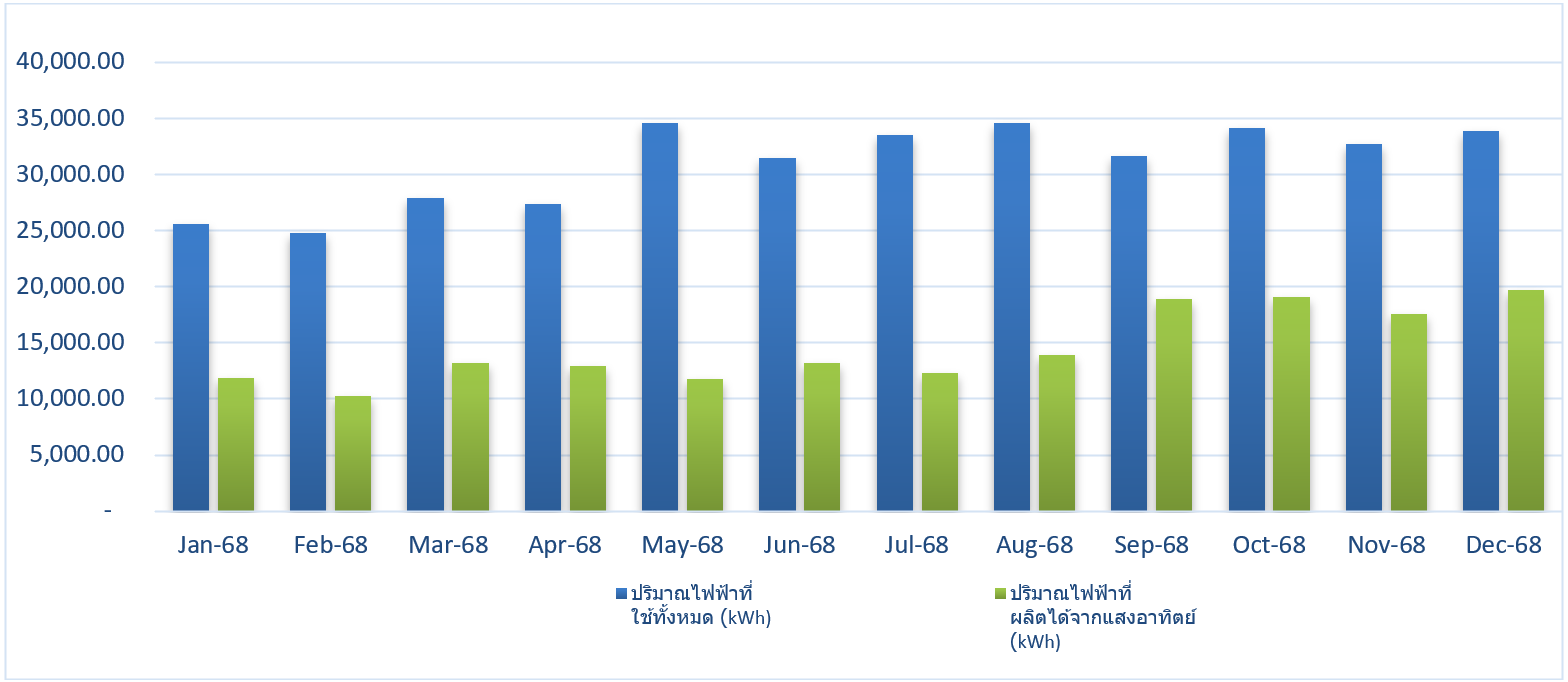
Total electricity consumption of the Company
Item | 2023 (base year) | 2024 | 2025 |
The Company's electricity consumption (kWh) | 6,872,972.20 | 8,507,591.49 | 10,246,470.58 |
Revenue from Sales and Services (million Baht) | 2,529.51 | 3,111.27 | 3,664.35 |
Electricity consumption per revenue (kWh: Revenue 1.0 million Baht) | 2,717.11 | 2,734.45 | 2,796.26 |
Percentage change from base year | 0.63 | 2.91 |
As the Company operates a retail business by leasing space in department stores, it must comply with the energy usage measures of the lessor, which means it cannot directly control the switching on/off of electricity and air conditioning. However, the Company has chosen to use energy-saving equipment to reduce electricity consumption in areas it can control.
Comparison of Electricity Consumption between 2023-2025
In 2023 (base year), the Company controlled energy consumption at Om Yai Warehouse, Head Office, and 3 branches. Subsequently, in 2024 and 2025, The number of branches where the Company can control energy consumption has increased. To provide a clear comparison, the Company has prepared tables showing energy consumption data in 2 formats as follows:
Table 1: Energy Consumption Comparison of Original Branches (Base Year Comparison) Comparison of energy consumption of the warehouse, head office, and all 3 branches locations existing since 2023 (base year) to demonstrate the efficiency of energy reduction in the original units.
Item | 2023 (base year) | 2024 | 2025 |
Number of controlled branches | 5 locations | 5 locations | 5 locations |
Electricity Consumption (kWh) | 1,232,521.28 | 1,265,336.00 | 1,128,628.44 |
Revenue (million Baht) | 2,529.51 | 3,111.27 | 3,664.35 |
Electricity consumption per revenue (kWh: Revenue 1.0 million Baht) | 487.26 | 406.69 | 308.00 |
Percentage change from base year | -16.54 | - 36.79 |
Note: Energy consumption comparison against base year
The Company compared energy efficiency with the base year 2023 in 5 original units: Head Office, Om Yai Warehouse, Sampheng Branch, Soi Lalai Sap Branch, and The OK Station, to clearly measure the success of energy reduction measures in key units.
Table 2: Actual Total Energy Consumption by Number of Branches shows the total energy consumption of the warehouse, head office, and all branches controlled by the Company each year (Standalone) to illustrate energy consumption in line with branch expansion.
Item | 2023 | 2024 | 2025 |
Number of controlled branches | 5 locations | 10 locations | 17 locations |
Electricity Consumption (kWh) | 1,232,521.28 | 1,316,882.00 | 1,439,151.32 |
Revenue (million Baht) | 2,529.51 | 3,111.27 | 3,664.35 |
Electricity consumption per revenue | 487.26 | 423.26 | 392.74 |
Percentage change from base year | -13.13 | -19.40 |
Note: Reporting scope and number of branches
The Company has continuously expanded its operational scope to a total of 17 locations (data as of 2025), with details as follows:
2023 (5 locations) Original Base Year Units: Head Office, Om Yai Warehouse, Sampheng Branch, Soi Lalai Sap Branch, and The OK Station.
2024 (added 5 locations, totaling 10 locations): expanded to educational institutions, namely Mae Fah Luang University, University of the Thai Chamber of Commerce, Rajamangala University of Technology Thanyaburi, Burapha University-Bangsaen, and Ramkhamhaeng University.
2025 (7 additional locations, totaling 17 locations): expansion to additional regional areas and educational institutions, including Khon Kaen University, Mahasarakham University, Wat Thiandad Branch, Wang Saphung Branch, Lang Suan Branch, Uthai Thani Province, and Trat Province.
Presenting data in both formats provides a clearer picture of both the energy efficiency improvements of existing operations and the Company’s overall energy consumption, which has increased in line with business expansion.
From the analysis of electricity consumption at Om Yai Warehouse, Head Office, and branches under energy consumption control in 2025, it was found that the electricity consumption per revenue decreased by 19.40% compared to 2023, which is higher than the set target of 5%.
The Company continues to prioritize efficient energy management to ensure business growth alongside sustainable environmental development.
Key Projects in 2025
1. Project to Expand Solar Power Generation System at Om Yai Warehouse
Following the operational results in 2024, where 120 kW solar panels generated up to 29% of the electricity used at Om Yai Warehouse and met the planned targets, the Company studied the feasibility and proceeded with installing additional solar panels in 2025 to increase its capacity for clean energy generation. The objective is to produce electricity from solar energy, which is clean and environmentally friendly, to further reduce electricity consumption from public utilities, and to evaluate the efficiency and long-term investment value. This project aims to maximize land utilization in line with sustainable development concepts and serves as a model for promoting renewable energy use in other business sectors and industries.
Operations and Performance
The Company installed additional solar panels with a capacity of 108 kW, completed in September 2025, with a total installed capacity of 228 kW to enhance the potential for reducing energy consumption from conventional electricity sources and continuously promote clean energy. Additionally, internal communications were conducted to foster understanding of efficient energy use and encourage energy-saving behaviors at work, as well as to build a collective environmental awareness.
The operational results for the entire year 2025 show that solar panels generated a total of 174,584 kWh, accounting for 47% of the total electricity consumed at Om Yai Warehouse, demonstrating the project's success and the Company's strong commitment to using renewable energy.
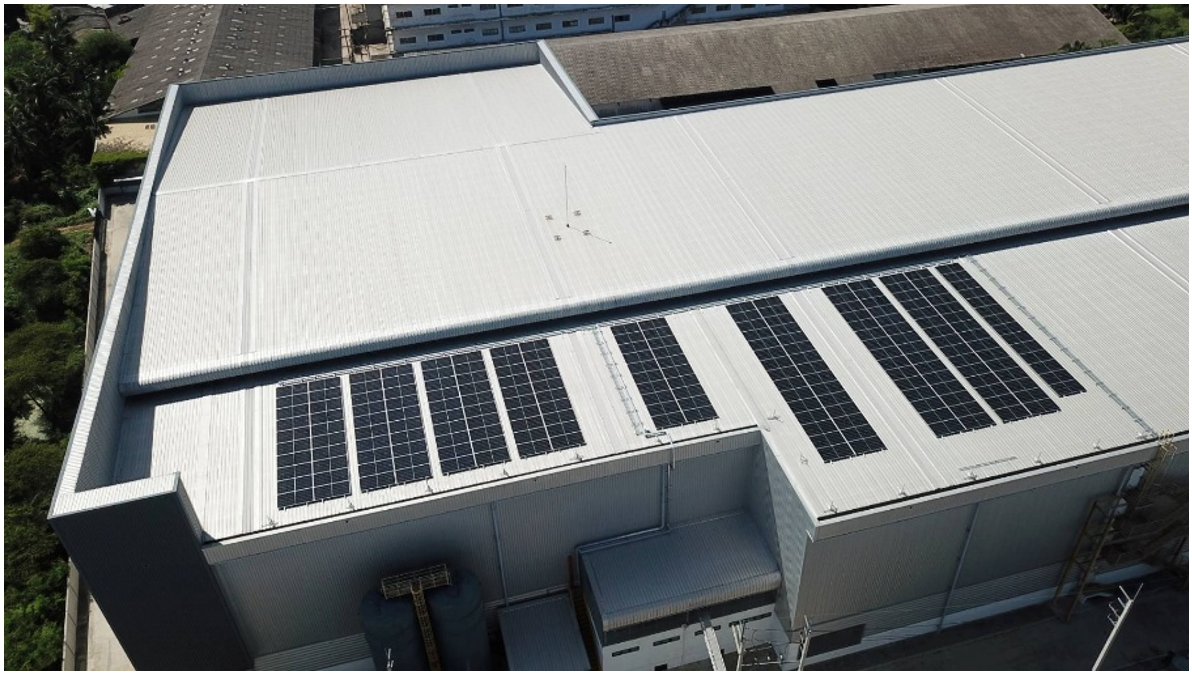
2. Project to Promote Efficient Electricity Usage
The project to promote efficient electricity usage is one of the initiatives under the Moshi Green Awareness concept, which is the Company's main environmental operational guideline. The objective of this project is to instill a sense of energy and environmental conservation awareness among employees at all levels and to foster an organizational culture that values efficient energy use, aligning with the core goals of Moshi Green Awareness to cultivating Core Values Sustainability Aspect
In 2025, the Company has continuously expanded its project operations through 2 main activities: "Moshi Moshi Saving Energy" and "Green Meeting," which aims to raise awareness about reducing energy and resource consumption to minimize environmental impact. This is implemented through internal communication channels to ensure all company employees have the knowledge, understanding, and participation in energy conservation.
Operations and Performance
Moshi Moshi Saving Energy Activities: The Company has continuously conducted internal communications to raise employee awareness of the importance of electricity conservation through various channels, such as internal newsletters, public relations signs at the workplace, and organizing workshops focusing on reducing daily electricity consumption, efficient energy usage techniques, and workplace energy-saving guidelines, as well as inviting expert speakers to provide knowledge to employees.
Green Meeting Activities: The Company has promoted environmentally friendly meeting practices by reducing paper usage, encouraging the use of electronic documents, switching off unnecessary lights and electrical appliances in meeting rooms, and selecting energy-saving equipment to reduce resource and energy consumption during meetings.
In 2025, the Company conducted training and communication for 1,471 employees, including warehouse staff, office staff, and branch store staff. The project results showed that employees' understanding of energy conservation significantly increased. They were able to identify efficient electricity usage methods and actively participated in following the guidelines, which led to more efficient electricity consumption within the organization and fostered a culture of sustainability.
Water — Plan & Guidelines
Has a Water Management Plan
Yes
Plan Description
The company has developed an operational plan for internal water management through the establishment of a working group and discussions with relevant departments. Furthermore, the company has formulated a sustainability management policy to emphasize the importance of efficient resource management, which not only affects operational costs but also the overall environment. Therefore, the company focuses on environmental management to comply with legal requirements. The internal water management plan includes:
1. Efficient water use (Water Saving) with the principle 3R (Sustainability Management Policy). The company adheres to the principle of Reduce to reduce water consumption by inspecting for leaks in water-using equipment within the company and promoting employee awareness of water resource usage to avoid wasteful consumption, enhance water use efficiency, and instill consciousness among employees within the organization.
2. Responsibility for discharging wastewater from the warehouse into public sources, by arranging for verification from external agencies and controlling wastewater discharge to meet standard values as prescribed by law, to promote responsibility towards the community and society alongside the company's operational growth, and to enhance the company's image.
In addition to water resource management operations, the company recognizes the importance of managing water-related risks, such as floods and droughts, which may arise from climate change and could impact the company. Therefore, the company has developed a business continuity plan to prepare for flood crises, especially at the Om Yai warehouse. This involves preparing for risks by regularly monitoring, evaluating, and forecasting flood situations to reduce the risk of business disruption. Such preparedness will enable the company to continuously provide services and distribute products to all its branches even during periods of flood risk.
Water — Withdrawal, Discharge & Consumption
Consumption — Introduction
The Company has a management approach to ensure the efficient and cost-effective use of tap water, which serves as the primary water source for all its operations. This initiative aims to mitigate risks arising from water scarcity or natural disasters, such as floods, which could directly impact business continuity. The Company has implemented significant measures for water usage across all organizational processes, encompassing water consumption within offices and by employees at standalone retail branches, wholesale stores, and warehouses. Furthermore, it includes controlling the quality of wastewater generated at the Om Yai warehouse. These efforts are designed to maximize benefits for all stakeholders, thereby fostering sustainable growth. Details regarding water usage and water reduction targets are available in the section titled 'Operational Performance and Water Management Outcomes'.
Water Withdrawal, Discharge & Consumption
| Metric | Current Year | Previous Year | Two Years Ago |
|---|---|---|---|
| Total water withdrawal (Cubic meters) | 6,658 | 5,397 | 4,283.6 |
| Total water withdrawal by third-party water (Cubic meters) | 6,658 | 5,397 | 4,283.6 |
| Total water withdrawal by surface water (Cubic meters) | |||
| Total water withdrawal by groundwater (Cubic meters) | |||
| Total water withdrawal by seawater (Cubic meters) | |||
| Total water withdrawal by produced water (Cubic meters) | |||
| Percentage of wastewater treated before discharge (%) | |||
| Total water discharge (Cubic meters) | |||
| Total water discharge to third-party water (Cubic meters) | |||
| Total water discharge to surface water (Cubic meters) | |||
| Total water discharge to groundwater (Cubic meters) | |||
| Total water discharge to seawater (Cubic meters) | |||
| Total water consumption (Cubic meters) | 6,658 | 5,397 | 4,283.6 |
| Recycled water (Cubic meters) |
Water — Targets
Has Set Targets
Yes
Targets
| Target | Base Year | Base Year Value | Target Year | Target Change (%) | Unit |
|---|---|---|---|---|---|
| Reduction of water withdrawal | 2,023 | 4,283.6 | 2,028 | 6 | Cubic meters |
Water — Performance & Outcomes
Has Performance Results
Yes
Performance Description
Operating Results for 2025
The company has a management approach to ensure the cost-effective and efficient use of tap water, which is the primary water source for all its operations. This aims to mitigate risks from water scarcity or natural disasters such as floods, which could directly impact business operations. The company has established key measures for water usage covering all organizational processes, including water use within offices and by employees at retail (standalone) branches, wholesale stores, and warehouses. It also controls the quality of wastewater generated at Om Yai Warehouse to maximize benefits for all stakeholders, leading to sustainable growth.
Strategy | Details and Results of Operations |
Raise awareness and instill consciousness among employees at all levels within the organization and prevent business disruption from floods. |
|
Knowledge Dissemination and Communication |
|
Communication |
|
External Audit and Certification |
|
Company's Water Consumption Volume
The company aims to reduce the annual tap water consumption in cubic meters for warehouses and standalone branches per employee, a decrease of 3% per year from the base year 2023.
Tap water consumption in cubic meters per year per employee.
To provide a clear comparative overview, the company has prepared two types of tap water consumption data tables as follows:
Table 1: Comparison of Tap Water Consumption of Original Branches (Base Year Comparison). This compares the tap water consumption of warehouses and existing controlled branches from the 2023 base year (warehouses and standalone branches) to demonstrate the efficiency of tap water reduction measures in the original units (warehouses and standalone branches).
Item | 2023 (Base Year) | 2024 | 2025 |
Number of existing branches and warehouses | 3 locations | 3 locations | 3 locations |
Tap water in cubic meters per year | 4,283.60 | 5,267 | 6,133 |
Number of employees | 270 | 275 | 303 |
Tap water consumption in cubic meters per employee per year/person. | 15.87 | 19.15 | 20.24 |
Percentage change from base year | 20.67 | 27.54 |
Note: Comparison of tap water consumption against the base year.
The company compares water usage efficiency with the 2023 base year, covering only existing units, namely Om Yai Warehouse, Sampheng Branch, and The OK Station, to clearly measure the effectiveness of water-saving measures in the warehouse and standalone branch groups.
Table 2: Actual Total Tap Water Consumption by Number of Branches. This table shows the total tap water consumption of warehouses and all controlled branches each year, illustrating water usage in line with branch expansion (the company relocated its head office to The Mall Thapra Shopping Center on January 2, 2025, thus water consumption cannot be measured).
Item | 2023 (Base Year) | 2024 | 2025 |
Total number of branches and warehouses | 3 locations | 8 locations | 13 locations |
Tap water in cubic meters per year | 4,283.60 | 5,397.00 | 6,658.00 |
Number of employees | 270 | 290 | 503 |
Tap water consumption in cubic meters per employee per year/person. | 15.87 | 18.61 | 13.24 |
Note: Reporting Scope and Number of Branches
The company has continuously expanded to support business growth, with a total of 13 controlled branches (data as of 2025), categorized by their operational start dates as follows:
2023 (3 locations) comprising the original branch group (Base Year) including Om Yai Warehouse, Sampheng Branch, and The OK Station.
2024 (5 additional locations, totaling 8 locations) including Mae Fah Luang University, University of the Thai Chamber of Commerce, Rajamangala University of Technology Thanyaburi, Burapha University-Bangsaen, and Ramkhamhaeng University.
2025 (5 additional locations, totaling 13 locations) expanded to regional areas and additional educational institutions, including Mahasarakham University, Wang Saphung Branch, Uthai Thani Province, Trat Province, and Head Office.
Presenting data in both formats provides a clear picture of both the tap water usage efficiency of existing units and the company's overall tap water consumption, which has increased with business expansion.
An analysis of tap water consumption reveals interesting developments over the past three years. In 2024, water consumption per employee increased by 17.30% compared to 2023 (from 15.87 to 18.61 units per person per year). This increase is a direct result of business expansion, particularly the opening of additional standalone branches, growing from 3 to 8 locations during the year.
However, in 2025, the organization demonstrated success in efficient water resource management, with water consumption per employee decreasing to 13.24 units per person per year, representing a significant reduction of 28.86% from the previous year and exceeding the organization's target of 3% from the base year, despite the number of branches increasing to 13 and employees rising to 503.
Tap water consumption data was collected from key areas of the organization, including offices, standalone branches, Sampheng retail stores, The OK Station stores, and warehouses. The improved performance in 2025 reflects the success of water management measures, such as awareness campaigns and the design of new branches that prioritize efficient resource use, aligning with the organization's sustainability goals.
Key Projects in 2025
The company prioritizes efficient water resource management and has developed various projects under the Moshi Green Awareness concept, comprising 3 projects, to promote water conservation, prevent leakage and loss, and control wastewater quality to meet standards. The Moshi Green Awareness concept is a framework that focuses on building environmental awareness through new employee training, current employee potential development, and instilling core values. In terms of sustainability, these three projects are designed using the 3Rs principle: reduce water consumption, reuse water, and water recirculation for reuse, to create a sustainable water conservation culture within the organization.
1. Project: “Moshi Energy Saving Campaign: Happy to Help the World”
The primary objective of this project is to promote knowledge, understanding, and awareness among employees at all levels regarding the importance of economical water resource utilization, as well as to instill environmental conservation consciousness throughout the organization. It aims to ensure that all employees understand the value and significance of efficient water use, enabling them to apply this knowledge both in the workplace and in daily life. Furthermore, it seeks to foster a collective awareness of natural resource and environmental conservation, which will lead to the development of a sustainable and socially responsible organizational culture. It is expected that the project's outcomes will help reduce the volume of tap water consumption per employee compared to the previous year.
Implementation and Results
In 2025, The company has continuously implemented water conservation campaigns, with the primary goal of disseminating public relations materials and encouraging employees at all levels to recognize the importance of efficient water use through various internal communication channels, such as internal newsletters, workplace billboards, and regular awareness-raising activities.
Additionally, the company initiated experimental improvements to the water management system at Om Yai Warehouse, particularly in the fire pump testing process, where a water recirculation process was trialed. This allows the water used in testing to be returned to the system for reuse instead of being discharged, thereby reducing water loss and utilizing resources efficiently.
From the evaluation of tap water consumption, it was found that the volume of water consumption per employee in 2025 is 13.24 cubic meters per person, and this change is primarily due to the expansion of standalone branches, which have increased in number. These types of branches have sanitation systems and water usage separate from department stores. Nevertheless, the company remains committed to finding ways to use water economically and efficiently, including consistent monitoring and evaluation of water usage, to reduce environmental impact and create sustainability in the organization's water resource management.
2. Project: “Complaint System for Reporting Water Usage Equipment Maintenance and Repair Issues”
This project aims to promote knowledge and understanding of water conservation, instill environmental awareness, and foster a value among employees at all levels to participate in monitoring water usage equipment for leaks. Issues can be reported and complaints filed through the system 24 hours a day. The goal is to reduce wasteful water consumption and foster a culture of sustainable water resource management within the organization.
Implementation and Results
The implementation of the complaint system for reporting water usage equipment maintenance and repair issues began in February 2025. This system aims to foster a value among employees at all levels to participate in monitoring water usage equipment for leaks within the organization. The system is available 24 hours a day, allowing employees to report issues immediately upon discovery of abnormalities, leading to quick and efficient resolution. The operational evaluation found no outstanding unresolved complaints, demonstrating the system's effectiveness and employees' cooperation in water resource management, which aligns with the project's goal of promoting participation and reducing unnecessary water loss.
3. Project: “Wastewater Quality Inspection at the Warehouse to Meet Legal Standards Before Public Discharge”
This project aims to reduce impacts on society and communities surrounding the warehouse by controlling wastewater quality to meet legally mandated standards before discharge into public water sources. The main objective is strict adherence to legal requirements for inspecting and treating wastewater from the warehouse to preserve environmental quality and build confidence among surrounding communities that the company's operations genuinely consider social and environmental responsibility.
Implementation and Results
The wastewater quality inspection project at the warehouse was implemented in December 2025, aiming to ensure that wastewater quality meets legally mandated standards before discharge into public areas. The project's evaluation was verified by an expert external agency, and the results of the effluent sample analysis by an internationally accredited ilac-MRA laboratory, and national level TLAS. It was found that all parameters comply with the discharge control standards for Type A buildings, including pH, BOD, total dissolved solids, oil and grease, nitrogen, sulfide, and suspended solids. All are within legally prescribed limits. Therefore, it can be concluded that the wastewater from the warehouse is of suitable quality for discharge into the environment and effectively achieves the objective of reducing impacts on surrounding society and communities.
Waste Management — Overview
Introduction
Effective waste management is a global priority, as population growth and economic expansion continuously lead to increased resource consumption and waste generation. This directly impacts the environment and ecosystems, particularly through soil and water contamination, greenhouse gas emissions from organic waste decomposition, and the loss of valuable resources due to improper waste disposal.
Systematic waste management, especially waste segregation at the source, is therefore a crucial approach to mitigate environmental impacts and enhance the efficiency of resource utilization. Implementing the principles of 3Rs which comprises reduction, reuse, and recycling, not only does it help reduce the amount of waste that needs to be disposed of, but it also serves as a crucial foundation for developing a circular economy system which focuses on the efficient and sustainable use of resources.
Developing an efficient waste management system is therefore a significant challenge that requires collaboration from all sectors to maintain a balance between economic development and environmental conservation, leading to long-term sustainable development.
Waste — Plan & Guidelines
Has a Waste Management Plan
Yes
Plan Description
The Company has developed a comprehensive waste management system, covering waste volume tracking, waste reduction at the source, proper disposal methods, and the development of personnel capabilities in waste management. Waste has been categorized into two main groups:
1. Recyclable waste, consisting of cardboard boxes, plastic ropes, plastic bags, and other recyclable materials.
2. Waste to be sent to landfill
Regarding monitoring and reporting, the Warehouse Department is primarily responsible for collecting recyclable waste data and storing it through the system, and reporting to the Subcommittee on Corporate Governance and Sustainable Development. Furthermore, the Company continues to operate under the ongoing project to reduce waste from transportation by expanding the transition from single-use cardboard boxes to reusable plastic crates in the distribution system, aiming to reduce waste, minimize resource consumption, and prevent improper waste disposal. Regarding waste that must be disposed of by landfill, the Company prioritizes appropriate management. The Procurement Department has established criteria for selecting waste disposal contractors who meet legal standards and operate in an environmentally friendly manner. The Accounting and Finance Department monitors the volume of waste disposed to ensure compliance with government regulations.
Currently, the Company is in the process of developing a systematic process for sorting and collecting data on the volume of each type of waste, starting with data collection at the head office, warehouses, standalone stores and Sampheng branch in 2025, and plans to expand data collection to cover all branches within the period of 2-3 year. Furthermore, the Company emphasizes personnel development and community engagement. In 2025, has organized activities to educate employees at the head office and warehouses on waste separation, and extended these efforts to surrounding communities, especially nearby educational institutions. Knowledge is also continuously communicated via internal email channels to raise awareness and instill environmental consciousness among employees and the community sustainably.
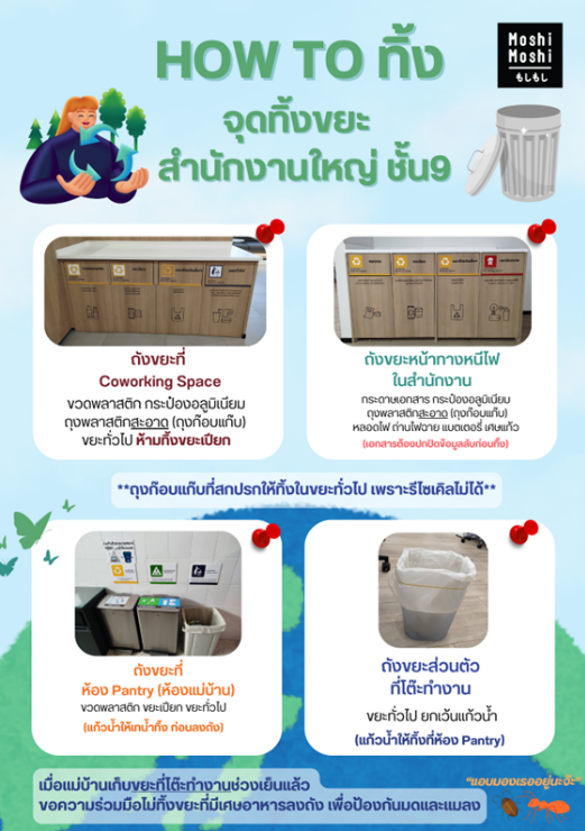
The Company has recognized environmental problems caused by waste and has therefore implemented a systematic waste separation process to contribute to waste reduction. Waste generated within the warehouse canteen, resulting from food preparation and food scraps discarded by employees daily, is managed. The Company utilizes food scraps from the canteen by delivering them to animal farm owners in the surrounding communities, providing designated areas, containers, and scheduled collection times for the food scraps.
This measure is part of the Company's sustainable waste management approach, which focuses on waste reduction and efficient resource utilization to create a balance between business operations and environmental care.
Waste — Generation, Disposal & Recycling
Waste Generation, Disposal & Recycling
| Metric | Current Year | Remark |
|---|---|---|
| Total waste generated (Kilograms) | 13,102.71 | In 2025, the Company is committed to enhancing waste management in accordance with the principles of the Circular Economy, by repurposing a total of 246,030.53 kilograms of waste and discarded materials. This includes data collected from the head office, warehouses, and 12 controlled branches (namely Mae Fah Luang University, Rajamangala University of Technology Thanyaburi, University of the Thai Chamber of Commerce, Burapha University-Bangsaen, Ramkhamhaeng University, Khon Kaen University, Mahasarakham University, Wat Tiandad Branch, Wang Saphung Branch, Lang Suan Branch, Trat Province, and Uthai Thani Province). The operations are divided into two main categories: Recycling: 237,191.53 kilograms, through a waste sorting process for external organizations to convert into new raw materials. Reuse: 8,839 kilograms of organic waste or food scraps, which are provided to local farmers for use as animal feed and fish feed. This approach not only helps reduce the amount of waste sent to landfills but also reflects the policy of source separation to continuously minimize environmental impact and maximize resource utilization. |
| Non-hazardous waste (Kilograms) | 12,428.6 | |
| Non-hazardous waste - Landfilling (Kilograms) | 12,428.6 | |
| Non-hazardous waste - Incineration (with energy recovery) (Kilograms) | 0 | |
| Non-hazardous waste - Incineration (without energy recovery) (Kilograms) | 0 | |
| Non-hazardous waste - Other disposal operations (Kilograms) | 0 | |
| Hazardous waste (Kilograms) | 674.11 | |
| Hazardous waste - Landfilling (Kilograms) | ||
| Hazardous waste - Incineration (with energy recovery) (Kilograms) | ||
| Hazardous waste - Incineration (without energy recovery) (Kilograms) | ||
| Hazardous waste - Other disposal operations (Kilograms) | 674.11 | Disposed of by delivery to a government agency (municipal waste collection). |
| Total reused/recycled waste (Kilograms) | 246,030.53 | In 2025, the Company is committed to enhancing waste management in accordance with the principles of the Circular Economy, by repurposing a total of 246,030.53 kilograms of waste and discarded materials. This includes data collected from the head office, warehouses, and 12 controlled branches (namely Mae Fah Luang University, Rajamangala University of Technology Thanyaburi, University of the Thai Chamber of Commerce, Burapha University-Bangsaen, Ramkhamhaeng University, Khon Kaen University, Mahasarakham University, Wat Tiandad Branch, Wang Saphung Branch, Lang Suan Branch, Trat Province, and Uthai Thani Province). The operations are divided into two main categories: Recycling: 237,191.53 kilograms, through a waste sorting process for external organizations to convert into new raw materials. Reuse: 8,839 kilograms of organic waste or food scraps, which are provided to local farmers for use as animal feed and fish feed. This approach not only helps reduce the amount of waste sent to landfills but also reflects the policy of source separation to continuously minimize environmental impact and maximize resource utilization. |
| Reused/Recycled non-hazardous waste (Kilograms) | 246,030.53 | |
| Reused non-hazardous waste (Kilograms) | 8,839 | |
| Recycled non-hazardous waste (Kilograms) | 237,191.53 | |
| Reused/Recycled hazardous waste (Kilograms) | ||
| Reused hazardous waste (Kilograms) | ||
| Recycled hazardous waste (Kilograms) |
Waste — Targets
Has Set Targets
Yes
Targets
| Waste Type | Disposal Approach | Target | Base Year | Base Year Value | Target Year | Target Change (%) | Unit |
|---|---|---|---|---|---|---|---|
| Non-hazardous waste and hazardous waste | 2763 · Other name: Send to legally authorized companies for proper waste sorting and disposal, including the reuse of waste and discarded materials, such as boiling paper for reintroduction into the production process. · Description: Other | Increase waste utilization | 2,024 | 8,820 | 2,028 | 20 | Kilograms |
| Non-hazardous waste and hazardous waste | 2763 · Other name: Send to legally authorized companies for proper waste sorting and disposal, including the reuse of waste and discarded materials, such as boiling paper for reintroduction into the production process. · Description: Other | Reduce waste volume | 2,024 | 8,820 | 2,028 | 15 | Kilograms |
Waste — Performance & Outcomes
Has Performance Results
Yes
Performance Description
Operational Results Year 2025
In 2025, the Company continuously developed its waste and waste management system based on the 3Rs principle (Reduce-Reuse-Recycle). The Corporate Governance and Sustainable Development Subcommittee, along with employee representatives from various departments, visited Kasikornbank to study waste management practices and apply best practices to develop the Company's waste management system. Following the visit, the Company concretely improved its internal waste segregation system, such as designing and installing clearly labeled waste bins in office and warehouse areas, organizing educational activities for employees on proper waste segregation, and continuously monitoring segregated waste volumes for analysis and future waste reduction strategy development.
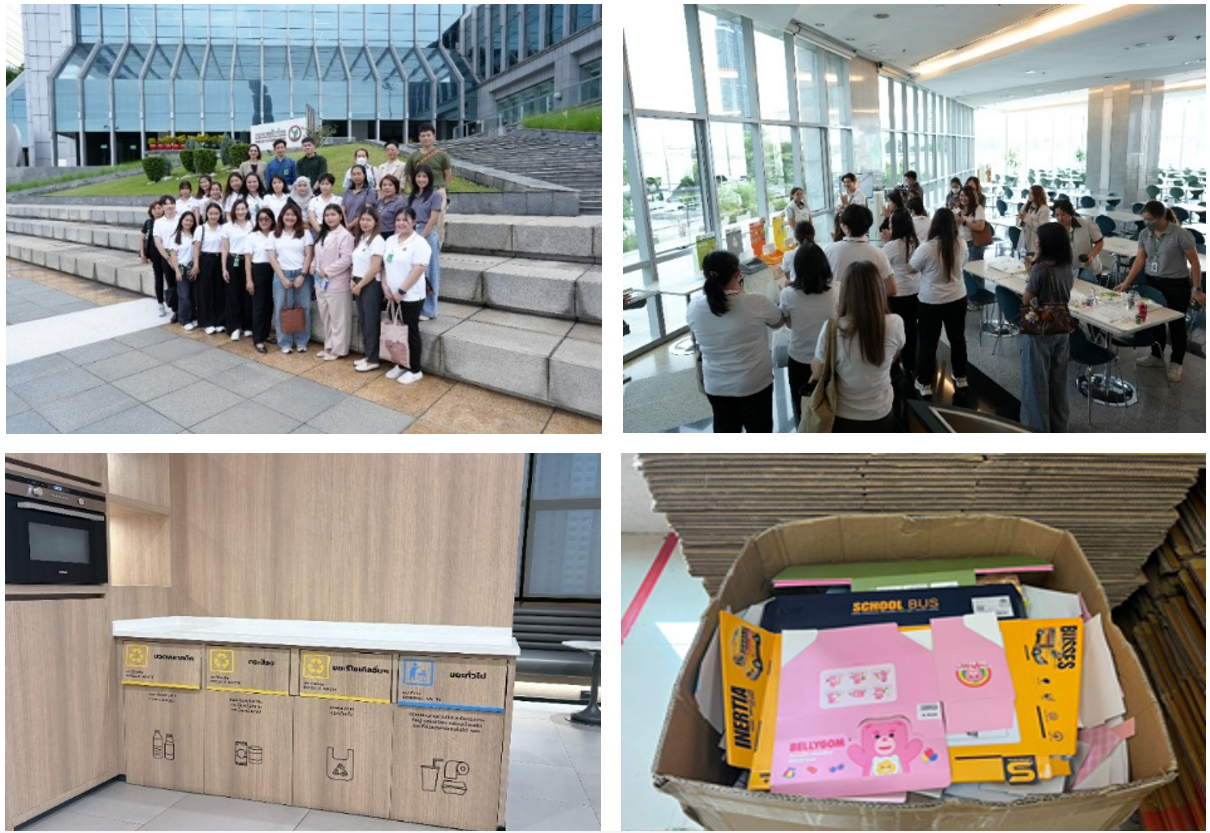
The Company also promotes environmental engagement with communities through the "Give Back to Earth" project, collaborating with nearby educational institutions to organize activities on waste segregation and campaign for plastic bottle donations. In 2025, 93 kilograms of plastic bottles were collected for recycling. Additionally, from its warehouse operations, the Company segregated and sent 216.6 tons of cardboard boxes and paper scraps for recycling to promote efficient resource utilization.
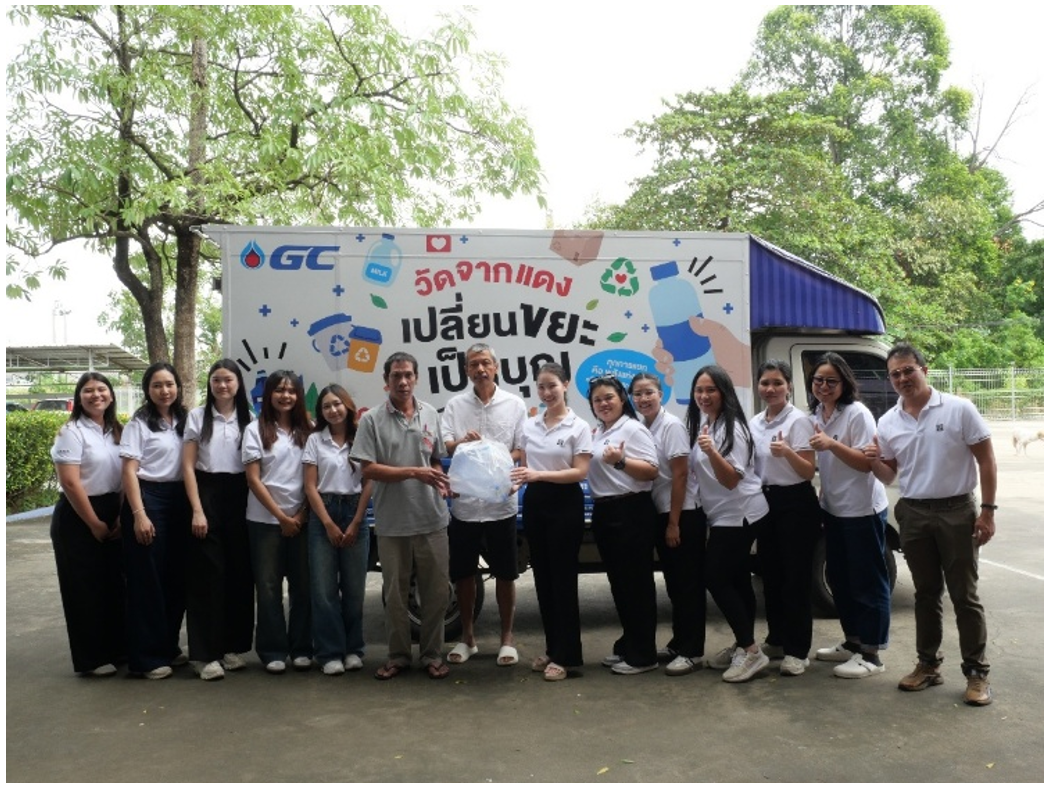
Concurrently, the Company has continuously transitioned some of its shipping packaging from cardboard boxes to reusable plastic crates. In 2025, the proportion of plastic crates used increased to 50.6% of all shipping packaging, a 27% increase from the previous year, which helps reduce single-use packaging and supports efficient resource utilization. Furthermore, the Company has developed a waste segregation data collection system covering offices, warehouses, and branches nationwide to systematically monitor and evaluate waste management performance.
Table of Operational Results
Item | Unit | 2023 | 2024 | 2025 |
Volume of reduced cardboard box usage | tons | N/A | 41.40 | -39 |
Rate of increase in plastic crate usage | Percentage | N/A | 52 | 27 |
Proportion of plastic crates used in total shipping packaging. | Percentage | N/A | 48 | 51 |
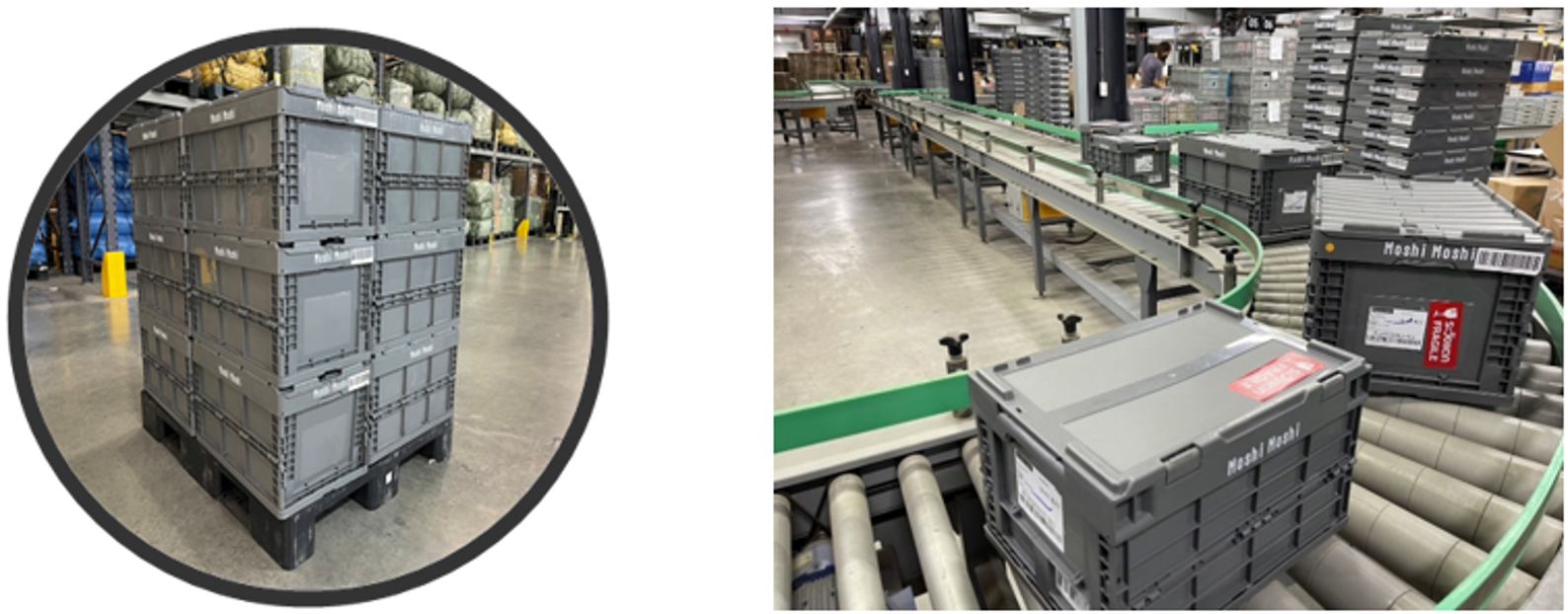
Key Projects in 2025
1. Give Back to Earth: Plastic Bottle Exchange for School Supplies Project.
The "Give Back to Earth" project was organized to promote environmental knowledge and awareness among youth and communities through educational activities on proper waste segregation and the beneficial reuse of plastic waste through recycling processes. This project aims to instill the concept of "reduce waste generation, utilize resources efficiently, and process for maximum benefit," as well as foster collaboration between the Company, schools, and nearby communities in jointly caring for the environment. Furthermore, it focuses on making employees and students aware of their role in reducing plastic waste to be part of sustainable environmental conservation, while also organizing activities to provide school supplies to youth and communities participating in the activities.
Implementation and Results.
The Company organized the "Give Back to Earth" activity in 2025 by expanding cooperation to 2 schools, namely Wat Prasoet Sutthawat School and Wat Moly (Nanthawimon) School, to organizing activities to educate about waste segregation and campaign for clear plastic bottle donations for recycling, this activity received excellent feedback from students, teachers, and employees, with a total of 287 participants.
From the campaign, the Company was able to collect donated clear plastic bottles 93 kilograms, which were delivered to Wat Chak Daeng to be processed into monastic robes. This project not only helps reduce plastic waste but also marks another step in fostering collaboration between organizations and communities to create tangible positive environmental changes.
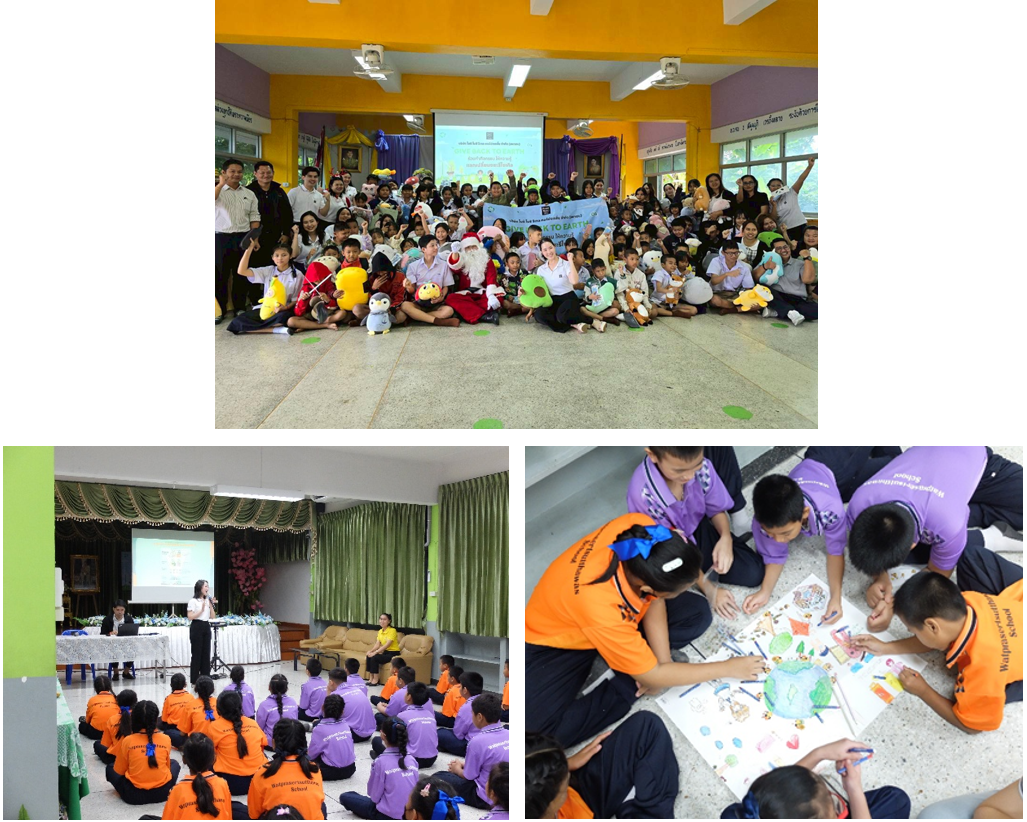
2. Clear Plastic Bottle Donation Project for Monastic Robes.
Clear Plastic Bottle Donation Project for Monastic Robes, under the concept of Moshi Green Awareness aims to promote plastic waste management according to the 3R principle, specifically, recycling clear plastic bottles into fibers for producing monastic robes. This project aims to instill environmental awareness through activities that employees at all levels can participate in daily, to reduce plastic waste and integrate sustainability concepts into the organizational culture.
The project aims to promote creative and maximally beneficial waste management by supporting the reuse of plastic waste through recycling processes to reduce environmental impact. Additionally, the project seeks to raise awareness among employees about efficient resource utilization and promote the concept of "turning waste into value" to encourage participation in reducing plastic waste and supporting activities beneficial to society and Buddhism.
Implementation and Results.
The Company continued to implement the project in 2025 by organizing a campaign for employees at the head office to donate clear plastic bottles, which were then given to Wat Chak Daeng for processing into monastic robes. This project received cooperation from office employees and students from nearby schools in collecting and cleaning clear plastic bottles before donation.
From its operations, the Company was able to collect 6,191 clear plastic bottles, which can be processed into 413 monastic robes. This is another project that helps reduce plastic waste and creates benefits for society, while reinforcing the approach of conducting business responsibly towards the environment and community.
3. "Give Happiness: Toy to Joy" Project.
The "Give Happiness: Toy to Joy" project is an initiative organized by Moshi Moshi to promote sharing happiness and sustainable resource utilization, under the concept that "giving is a small power that can always create great happiness." The main objectives of this project are to promote sharing warmth with underprivileged children, reduce waste from discarded toys, extend the lifespan of dolls, and collectively care for the environment.
This project invites customers and interested individuals to donate dolls that are still in good condition. The donation criteria specify soft, plush dolls that are not torn or damaged, ready to be passed on to children, and cleaned before donation. The Company has established two types of donation points: pink donation boxes for dolls from Moshi Moshi stores and blue donation boxes for other general dolls.
A distinctive feature of this project is that Moshi Moshi provides an additional new doll for every doll donated, to incentivize donations and increase the number of dolls delivered to underprivileged children.
Implementation and Results.
The "Toy to Joy" project received a positive response from friends and co-donors, collecting a total of 121.21 kilograms of plush toys and soft toys. The project delivered these items to underprivileged and needy children to bring smiles and happiness to them, while also helping to reduce waste and protect the environment.
From the preliminary environmental impact assessment, it was found that the project helped reduce greenhouse gas emissions by approximately 1,260 kilograms of CO2e, or approximately 1.3 tons of CO2e. This reduction comes from two main parts. The first is preventing the production of new toys. According to data from textile product life cycle studies, the production of 1 kilogram of textile products emits approximately 5-15 kilograms of CO2e greenhouse gases. If an estimated value of 10 kilograms of CO2e is used per kilogram. Reusing 121.21 kilograms of toys thus helped prevent approximately 1,212 kilograms of CO2e emissions. The second part is preventing landfill gas emissions. According to the Waste Reduction Model (WARM) of the US Environmental Protection Agency (https://www.epa.gov/warm), landfilling textile waste emits approximately 0.3-0.5 kilograms of CO2e greenhouse gases per kilogram. Using a median value of 0.4 kilograms of CO2e per kilogram. The project thus helped prevent an additional approximately 48 kilograms of CO2e emissions from landfills.
To provide a clearer picture, the greenhouse gas reduction of 1,260 kilograms of CO2e is equivalent to reducing gasoline car driving by approximately 5,000 kilometers, or planting about 50-60 trees that grow for 10 years, or reducing household electricity consumption by approximately 2-3 months, according to data from the US EPA's Greenhouse Gas Equivalencies Calculator (https://www.epa.gov/energy/greenhouse-gas-equivalencies-calculator).
It should be noted that the figures presented are preliminary estimates based on average values from studies of general textile products and toys, and are aligned with the IPCC Guidelines for National Greenhouse Gas Inventories (https://www.ipcc.ch/), which is an international standard for calculating greenhouse gas emissions. Actual values may vary depending on the materials and production processes of each toy.
The "Toy to Joy" project demonstrates that reusing pre-owned items benefits both society and the environment, aligning with the principles of the Circular Economy and the United Nations Sustainable Development Goals, particularly Goal 12 (Responsible Consumption and Production) and Goal 13 (Climate Action). This shows that small actions can create significant positive impacts on the environment and society.
GHG — Plan & Guidelines
Has a GHG Management Plan
Yes
Plan Description
The Company has established a systematic framework for greenhouse gas management, focusing on developing environmentally friendly retail business processes through the following measures:
1. Assessing and monitoring direct and indirect greenhouse gas emissions in accordance with international standards, covering operations at branches, distribution centers, and offices, to analyze data and effectively plan greenhouse gas reduction.
2. Improving energy efficiency in buildings and branches by applying modern technologies such as high-efficiency air conditioning systems, LED lighting systems and smart energy management systems.
3. Promoting the use of renewable and clean energy, particularly the installation of solar power generation systems on distribution centers.
4. Efficient management of transportation and logistics through appropriate route planning, the use of electric vehicles, and regular vehicle maintenance.
5. Reducing and segregating waste at branches and distribution centers, while promoting the use of environmentally friendly packaging.
6. Raising awareness and encouraging employee participation in energy and natural resource conservation through various training programs and promotional activities.
GHG — Emissions
GHG Emissions
| Metric | Current Year | Previous Year | Two Years Ago |
|---|---|---|---|
| Total GHG emissions (Metric tonnes of carbon dioxide equivalent) | 6,315.79 | 4,354.52 | 3,534.82 |
| Total greenhouse gas emissions 1 (Metric tonnes of carbon dioxide equivalent) | 185.22 | 101.58 | 99.54 |
| Total greenhouse gas emissions 2 (Metric tonnes of carbon dioxide equivalent) | 5,122.21 | 4,252.94 | 3,435.28 |
| Total greenhouse gas emissions 3 (Metric tonnes of carbon dioxide equivalent) | 1,008.36 |
GHG — Emissions Verification
Emissions Verified by a Third Party
No
GHG — Targets
Has Set GHG Targets
Yes
GHG Targets — Net Zero
Net Zero Targets
| Emission Scope | Base Year | Base Year Emissions | Near-term Target Year | Near-term Target Change (%) | Long-term Target Year | Long-term Target Change (%) | Target Year | Target Change (%) | Unit |
|---|---|---|---|---|---|---|---|---|---|
| 2715 | 2,023 | 3,534.82 | 2,026 | 5 | 2,042 | 20 | 2,026 | 5 | Metric tonnes of carbon dioxide equivalent |
GHG Targets — Carbon Neutrality
Carbon Neutrality Targets
| Emission Scope | Carbon Neutrality Certified | Base Year | Base Year Emissions | Target Year | Unit |
|---|---|---|---|---|---|
| 2715 | N | 2,023 | 3,534.82 | 2,050 | Metric tonnes of carbon dioxide equivalent |
GHG Targets — Other Targets
Other GHG Targets
| Emission Scope | Base Year | Base Year Emissions | Near-term Target Year | Near-term Target Change (%) | Long-term Target Year | Long-term Target Change (%) | Target Year | Target Change (%) | Unit |
|---|---|---|---|---|---|---|---|---|---|
| 2715 | 2,023 | 715.68 | 2,026 | 5 | 2,042 | 20 | 2,026 | 5 | Metric tonnes of carbon dioxide equivalent |
GHG — Performance & Outcomes
Has Performance Results
Yes
Performance Description
Performance in 2025
In 2025, the Company continuously implemented its greenhouse gas management plan, focusing on data system development, enhancing resource efficiency, and systematically reducing environmental impacts from business operations. The Company upgraded its greenhouse gas emissions data collection and management by adopting a data collection platform and receiving expert consultation for systematically collecting Scope 1, Scope 2, and Scope 3 greenhouse gas emissions data. This covers information on energy consumption, water usage, waste management, and indirect greenhouse gas emissions in the value chain, enabling the Company to manage data with greater detail and accuracy. The reported greenhouse gas emissions in 2025 increased from the previous year, partly due to the expansion of data collection scope and the relocation of the head office, which reflects broader data coverage rather than an actual increase in greenhouse gas emissions. The Company plans to have the data verified by an external auditor in 2026 to enhance data transparency and reliability.
In terms of operations, the Company has continuously implemented energy efficiency measures, such as converting lighting systems to LED in offices and stores, regularly maintaining air conditioning systems, and expanding the use of renewable energy through the installation of additional solar panels at the Om Yai warehouse to reduce reliance on traditional energy sources.
The Company is continuously committed to improving logistics and transportation efficiency by optimizing route planning systems to enhance product distribution. In 2025, the Company conducted a feasibility study on integrating Electric Vehicles (EVs) into its transportation processes. However, based on an assessment of the Company's business structure, which primarily utilizes Third-Party Logistics (3PL) providers, it was found that investing in EVs is not currently aligned with the existing business model. Therefore, the Company focuses on establishing guidelines for selecting external transportation providers that meet environmental standards, such as using properly maintained vehicles and ensuring emissions do not exceed standards, to mitigate environmental impacts from transportation activities.
Regarding packaging management, the Company has continuously transitioned some transportation packaging from cardboard boxes to reusable plastic crates. In 2025, the proportion of plastic crate usage increased to 51% of all transportation packaging, a 27% increase from the previous year, which helps reduce single-use packaging and promotes efficient resource utilization. Additionally, the Company has developed and introduced three collections of environmentally friendly products to meet consumer demand for sustainability while reducing greenhouse gas emissions from operations. The Company also systematically promotes waste management based on the 3Rs (Reduce-Reuse-Recycle) principles, adopting best practices from waste management study tours within the organization. It also organizes educational activities for employees on waste segregation and implements the "Give Back to Earth" project with nearby educational institutions to promote plastic bottle recycling for reprocessing and further use.
Additionally, the Company emphasizes building sustainability awareness within the organization by providing ESG DNA training to employees through the Stock Exchange of Thailand's online platform. This aims to enhance understanding of ESG and encourage employee participation in reducing environmental impacts from operations.
These operations reflect the Company's commitment to systematically managing greenhouse gases and environmental impacts. This not only helps reduce environmental impacts but also enhances operational efficiency, controls costs, and builds long-term business sustainability.
Greenhouse Gas Emissions
The Company uses the carbon footprint calculation program from K Climate 1.5 Company Limited, and there is a plan for external verification of data in 2026. To ensure the accuracy and reliability of the data. Further details can be found under the Resource Management section. In this report, "usable area" refers to the total area of the head office, warehouses, and all branches, and "branches" refers to Moshi Moshi, Garlic, The OK Station, and Giant.
Table 1.1: Summary of Greenhouse Gas Emissions and Intensity (Scope 1 & 2 Only)
Item | Unit | 2023 (Base Year) | 2024 | 2025 | Change from Base Year (%) |
Basic Information | |||||
Revenue | Million Baht | 2,543.26 | 3,127.91 | 3,682.74 | 44.8% |
Number of Branches | Branches | 131 | 164 | 202 | 54.2% |
Total Usable Area | sq.m. | 49,122.06 | 56,039.10 | 62,779.26 | 27.8% |
GHG Emissions (Scope 1 & 2) | tCO2e | 3,534.82 | 4,354.52 | 5,307.43 | 50.1% |
GHG Intensity (Scope 1 & 2) | |||||
Per Revenue | tCO2e/Million Baht | 1.39 | 1.39 | 1.44 | +3.6% |
Per Branch | tCO2e/Branch | 26.98 | 26.55 | 26.27 | -2.6% |
Per Usable Area | tCO2e/sq.m. | 0.07 | 0.08 | 0.08 | +17.48% |
Table 1.2: Summary of Greenhouse Gas Emissions and Intensity (All Scopes 1 & 2 & 3)
Item | Unit | 2023 (Base Year) | 2024 | 2025 | Change from Base Year (%) |
Basic Information | |||||
Revenue | Million Baht | 2,543.26 | 3,127.91 | 3,682.74 | 44.8% |
Number of Branches | Branches | 131 | 164 | 202 | 54.2% |
Total Usable Area | sq.m. | 49,122.06 | 56,039.10 | 62,779.26 | 27.8% |
GHG Emissions (All Scopes) | tCO2e | 3,534.82 * | 4,354.52 * | 6,315.79 | 78.7% |
GHG Intensity (All Scopes) | |||||
Per Revenue | tCO2e/Million Baht | 1.39 | 1.39 | 1.71 | +23.4% |
Per Branch | tCO2e/Branch | 26.98 | 26.55 | 31.27 | +15.9% |
Per Usable Area | tCO2e/sq.m. | 0.07 | 0.08 | 0.10 | +39.8% |
Note :
- In 2023 and 2024, the Company had not yet collected Scope 3 data, so the values are equivalent to Scope 1 & 2 only.
- In 2025, the Company began collecting additional Scope 3 data, leading to an increase in total GHG and Intensity.
- Table 1.1 shows an apple-to-apple comparison (Scope 1 & 2 only) to observe the true trend.
- Table 1.2 shows total emissions according to international standards.
Analysis of Greenhouse Gas Emission Intensity Changes
The Company is committed to sustainable business operations and prioritizes reducing environmental impacts, especially controlling greenhouse gas emissions, which is a critical factor in climate change. Over the past three years (2023-2025), the Company has achieved significant business expansion, with revenue increasing by 44.8% from 2,543.26 million baht in 2023 to 3,682.74 million baht in 2025. The number of branches increased by 54.2% from 131 to 202 branches, and the total usable area increased by 27.8% from 49,122 square meters to 62,779 square meters. However, this business growth comes with the challenge of efficiently managing energy and greenhouse gas emissions.
Considering greenhouse gas emissions in Scope 1 & 2, which are directly controllable by the Company, it was found that although total emissions increased by 50.1% from 3,534.82 tons of CO2 equivalent in 2023 to 5,307.43 tons of CO2 equivalent in 2025 due to business expansion, when analyzed from the perspective of intensity, which is a true indicator of efficiency, the Company demonstrated its ability to control and improve performance.
GHG intensity per branch decreased from 26.98 to 26.27 tons of CO2 equivalent per branch, or a 2.6% reduction compared to the base year. This reflects that each newly opened branch has better energy efficiency than older branches, resulting from the design of new branches that prioritize energy efficiency, the installation of energy-saving equipment such as high-SEER air conditioning systems, LED lighting systems, and automatic energy management systems, as well as the implementation of best practices in energy management across all branches. This reduction in intensity per branch is a significant achievement because, despite opening 71 new branches over three years, the average greenhouse gas emissions per branch could still be reduced.
Regarding GHG intensity per revenue, it increased slightly by only 3.6% from 1.39 to 1.44 tons of CO2 equivalent per million baht. This indicates that the Company has maintained a relatively stable efficiency in generating revenue compared to greenhouse gas emissions, even with investments in new branch expansions and infrastructure that might initially lead to increased energy consumption. This low rate of increase is a positive sign, especially considering that revenue increased by 44.8% while intensity per revenue increased by only 3.6%. This clearly means that the Company was able to generate more revenue growth than the increase in greenhouse gas emissions, reflecting improved operational efficiency and sustainable revenue growth.
However, GHG intensity per usable area increased by 17.48% from 0.07 to 0.08 tons of CO2 equivalent per square meter, resulting from the rapid expansion of operational areas over the past three years. The expansion of the head office and increased infrastructure to support business growth led to higher energy consumption per area. Nevertheless, the Company has implemented various measures to mitigate this impact, such as installing solar panels on warehouse roofs, utilizing energy storage systems, and deploying a Smart Energy Management System that can adjust energy usage according to actual demand.
Scope 3 Reporting: Transparency and Completeness
The year 2025 marks a significant turning point for the Company in elevating its environmental reporting, as it began collecting and reporting Scope 3 greenhouse gas emissions data for the first time. In this initial year, data collection focused on a portion of Category 3.1, Purchased Goods and Services, specifically the purchase of office supplies, amounting to 1,008.36 tons of CO2 equivalent. Although this represents only a part of the indirect emissions across the value chain, it reflects the Company's commitment to comprehensive environmental impact management and is a crucial first step in reporting according to the international GHG Protocol standard, which requires organizations to report all three scopes of greenhouse gas emissions for a complete overview. The Company plans to continuously expand the scope of Scope 3 data collection in other categories in the future.
The inclusion of Scope 3 in the reporting resulted in a total greenhouse gas emissions increase from 3,534.82 tons of CO2 equivalent in 2023 to 6,315.79 tons of CO2 equivalent in 2025, representing a 78.7% increase from the base year. Consequently, various intensities also increased. The intensity per revenue increased from 1.39 to 1.71 tons of CO2 equivalent per million baht, an increase of 23.4%. The intensity per branch increased from 26.98 to 31.27 tons of CO2 equivalent per branch, an increase of 15.9%. And the intensity per usable area increased from 0.07 to 0.10 tons of CO2 equivalent per square meter, an increase of 39.8%.
The Company's initiation of Scope 3 data collection demonstrates its vision to be a transparent and socially responsible organization. It not only focuses on emissions occurring within the organization but also emphasizes indirect impacts throughout the supply chain. This Scope 3 data will serve as a crucial baseline for planning and implementing future greenhouse gas reduction measures, such as collaborating with partners and suppliers to reduce supply chain emissions, promoting clean energy use in transportation and logistics, improving waste management and recycling efficiency, designing environmentally friendly products and packaging, and encouraging employees to use low-emission or clean energy vehicles for commuting.
Greenhouse gas emissions are compared only for the Head Office, Warehouse, and 3 existing Standalone branches in the 2023 base year (excluding 5 new Standalone branches in 2024 and 7 branches in 2025).
Year | Compared Area | Scope 1 | Scope 2 | Scope 3 | Total |
2023 (Base Year) | Head Office + Warehouse + 3 Standalone | 99.54 | 616.14 | N/A | 715.68 |
2024 | Head Office + Warehouse + 3 Standalone (Original) | 101.58 | 658.31 | N/A | 759.89 |
2025 | Head Office + Warehouse + 3 Standalone (Original) | 113.34 | 719.43 | N/A | 677.54 |
Note: Comparison of greenhouse gas emissions against the base year.
The Company compares greenhouse gas emissions with the 2023 base year for the original 5 units: Head Office, Om Yai Warehouse, Sampheng Branch, Soi Lalai Sap Branch, and The OK Station.
Intensity and Change
Year | Intensity per Unit | Change | Change | Intensity per Revenue (tCO2e) /Million Baht) | Change | Change |
2023 (Base Year) | 143.14 | - | - | 281.40 | - | - |
2024 | 151.98 | 6.18% | 6.18% | 242.94 | -13.67% | -13.67% |
2025 | 135.51 | -10.84% | -5.33% | 183.98 | -24.27% | -34.62% |
The Company has monitored greenhouse gas emissions specifically for areas under its direct control, namely the Head Office, warehouse, and 3 existing Standalone branches in the base year, excluding new branches opened in 2024 and 2025.
From the performance in 2024, it was found that total greenhouse gas emissions were 759.89 tCO2e, an increase from the 2023 base year of 715.68 tCO2e, or an increase of 6.18%. However, when considering the GHG Intensity per revenue, which is an efficiency indicator reflecting business growth, it significantly decreased from 281.40 to 242.94 tCO2e per million baht of revenue, or a decrease of 13.67% compared to the base year. In 2025, total greenhouse gas emissions decreased to 677.54 tCO2e, or a decrease of 5.33% compared to the 2023 base year, achieving the Company's set target of a 5% reduction compared to the base year. Furthermore, the intensity per revenue continued to decrease to 183.98 tCO2e per million baht of revenue, or a decrease of 34.62% compared to the base year, reflecting continuously improved energy and environmental management efficiency.
Greenhouse Gas Emissions-Controllable Area, including only Head Office + Warehouse + Standalone Branches
Year | Controllable Area | Scope 1 | Scope 2 | Scope 3 | Total (tCO2e) |
2023 (Base Year) | Head Office + Warehouse + 3 Standalone | 99.54 | 616.14 | n/a | 715.68 |
2024 | Head Office + Warehouse + 8 Standalone | 101.58 | 658.31 | n/a | 759.89 |
2025 | Head Office + Warehouse + 15 Standalone | 113.34 | 719.43 | n/a | 832.77 |
Note: Reporting Scope and Number of Branches
The Company has continuously expanded its operations to a total of 17 locations (data as of 2025), with details as follows:
2023 (5 locations): Original Base Year units, including Head Office, Om Yai Warehouse, Sampheng Branch, Soi Lalai Sap Branch, and The OK Station.
2024 (5 additional locations, totaling 10): Expansion to Standalone branches, including Mae Fah Luang University, University of the Thai Chamber of Commerce, Rajamangala University of Technology Thanyaburi, Burapha University-Bangsaen, and Ramkhamhaeng University.
2025 (7 additional locations, totaling 17): Expansion to additional Standalone branches, including Khon Kaen University, Mahasarakham University, Wat Tiandad Branch, Wang Saphung Branch, Lang Suan Branch, Uthai Thani Province, and Trat Province.
Year | Number Unit | Intensity per Unit | Change Compared to Base Year (%) | Revenue | Intensity per Revenue | Change |
2023 (Base Year) | 5 | 143.14 | - | 2,543.26 | 281.40 | - |
2024 | 10 | 75.99 | -46.91% | 3,127.91 | 242.94 | -13.67% |
2025 | 17 | 48.99 | -65.78% | 3,682.74 | 226.13 | -19.64% |
From monitoring greenhouse gas emissions (Scope 1 and Scope 2) against the mid-term target of a 5% reduction from the 2023 base year, it was found that the organization achieved its goal. In 2025, the Company used substances regulated under the Montreal Protocol on Substances that Deplete the Ozone Layer, with emissions of ozone-depleting substances totaling 15.31 tCO2e.
Future Direction and Goals
Based on past performance, the Company is confident that it can achieve its goal of becoming a low-carbon organization, even with continuous business expansion. The Company's ability to reduce GHG intensity per branch by 2.3% (considering only Scope 1 & 2) during a period of rapid business growth demonstrates its potential and continuous commitment to improving efficiency.
The Company will continue to strive for improved energy efficiency in all aspects of its operations, including investing in clean technologies and renewable energy, such as expanding solar panel installations in branches and warehouses, enhancing operational processes for higher efficiency, and fostering an organizational culture that recognizes and prioritizes energy and environmental conservation. Furthermore, the Company will collaborate with business partners and suppliers to reduce greenhouse gas emissions throughout the value chain, with the goal of continuously reducing greenhouse gas intensity in all dimensions and setting a long-term target to achieve Carbon Neutrality by 2050 to create long-term sustainability for the business, society, and environment.
Key Projects in the Year 2025
Projects and Activities for Greenhouse Gas Management and Climate Change Adaptation
The Company focuses on implementing projects to reduce environmental impacts in multiple dimensions, particularly studying and executing projects aimed at reducing greenhouse gas emissions. These include installing additional solar cell systems, conducting feasibility studies on using electric vehicles for transportation, and continuously implementing paper reduction projects. Furthermore, the Company recognizes the risks of climate change that could affect business operations, especially potential disaster situations. Therefore, it has developed a Business Continuity Plan (BCP) to cope with natural disasters, particularly floods, and plans to hire consultants in 2026 to systematically analyze the impacts of a potential 2-degree Celsius increase in global warming, assess risks, financial implications, adaptation opportunities, and risk mitigation strategies.
1. Solar Cell System Installation Project
Solar Cell System Installation Project. Its objectives are to promote the use of clean energy, reduce reliance on fossil fuels, and help lower the Company's long-term energy costs. Additionally, the project aims to reduce greenhouse gas emissions, which contribute to global warming, and support environmentally friendly business practices. Using solar energy instead of traditional grid electricity also enhances energy efficiency and creates organizational sustainability, serving as a model for other businesses to transition to environmentally friendly alternative energy sources.
Operations and Performance
Application of Solar Energy through Solar Cell Systems s a crucial approach to sustainable development, helping to reduce greenhouse gas emissions and fossil fuel consumption, aligning with Thailand's Net Zero Emission target. The Company has installed solar cells additionally at Om Yai warehouse in 2025 to cover areas suitable for electricity usage. It can generate a total of 174,584 kWh of solar electricity, averaging 47% of the total electricity consumed at Om Yai warehouse throughout 2025. This operation is equivalent to reducing coal consumption by 69.83 tons or reducing carbon dioxide emissions by 83.80 tons of CO2 (tCO2 e)*
Electricity generation in Thailand comes from various fuel types, with natural gas as the primary fuel at 60%, followed by coal at 20%, and renewable energy including other sources at 20%. Every 1,000 kilowatt-hours (kWh) of electricity generated from solar cells helps reduce carbon dioxide emissions from the entire electricity generation system by approximately 480 kilograms of carbon dioxide (kgCO2) and is equivalent to reducing standard coal consumption in electricity generation by 400 kilograms (kg).
(*Note: Calculations are based on the greenhouse gas emission factor of the Thailand Greenhouse Gas Management Organization (Public Organization) (TGO) at 0.48 kgCO2 per kWh and the standard coal-fired electricity generation factor of the Electricity Generating Authority of Thailand (EGAT) at 0.40 kgCO2 per kWh.)
2. Feasibility Study Project for Using Electric Vehicles in Transportation
The feasibility study project for using electric vehicles in transportation aims to evaluate the efficiency, cost-effectiveness, and operational impact on the Company of transitioning from fossil fuel vehicles to electric vehicles. It focuses on reducing energy costs, greenhouse gas emissions, and air pollution from goods transportation. Additionally, the project aims to promote the use of clean energy and environmentally friendly technologies to align the Company's business operations with sustainability guidelines and support environmental policies at both organizational and international levels.
Operations and Performance
In 2025, the Company conducted a feasibility study on integrating electric vehicles into its operations. Considering the business structure where the Company primarily relies on Third-Party Logistics providers, the study found that investing in electric vehicles is not currently aligned with the Company's existing business model.
Therefore, the Company focuses on establishing measures for selecting and collaborating with external transportation service providers by setting clear environmental conditions, such as using well-maintained vehicles, adhering to legal emission standards, and avoiding black smoke emissions, to reduce environmental impacts from transportation activities.
3. Paper Reduction Project
The paper reduction project aims to promote efficient resource utilization, reduce paper waste, and support environmentally friendly business practices. It focuses on transitioning to digital systems to minimize unnecessary document printing and using recycled paper in office operations. Additionally, the project aims to reduce operational costs, decrease tree felling for paper production, and mitigate environmental impacts from the production and disposal of used paper, aligning with the organization's sustainable development guidelines.
Operations and Performance
The project to reduce paper consumption in offices and branches has been continuously successful. In 2025, the Company reduced the use of sales report paper and tax invoices by 50 reams, or 2.49% compared to 2024. This reduction of 50 reams of paper by the Company significantly benefits the environment by reducing paper waste by over 109 kilograms (kg), contributing to natural resource conservation and sustainable environmental impact reduction.
4. Green Receipt Project
The Company aims to create a positive environmental impact through responsible business operations, starting with a small point of contact with every customer: the receipt. By choosing FSC-certified cashier paper in all existing and newly opened branches, the Company clearly demonstrates its commitment to supporting sustainable forest management. FSC, or Forest Stewardship Council, provides significant value by linking environmental conservation with responsible business practices. Products certified by this organization come from sustainably managed forests, which means timber harvesting considers natural regeneration rates and protects biodiversity in ecosystems.
Operations and Performance
The Company has continuously and systematically expanded the use of FSC-certified paper to all branches nationwide, aiming to raise awareness among employees and customers about sustainable forest conservation. In 2025, the value of FSC-certified paper purchased by the Company increased by 55.77% compared to the previous year, reflecting both business expansion and the commitment to elevating the organization's environmental policies. This performance is a significant step in demonstrating social and environmental responsibility.
5. Climate Change Preparedness
The Company recognizes the increasing risks from climate change, especially the global warming scenario that could lead to a 2-degree Celsius increase in global temperature. This would result in more severe natural disasters such as floods, storms, and droughts, which could directly impact the retail business with 202 branches nationwide, particularly in terms of goods storage and transportation between branches and warehouses.
Operations and Performance
5.1 Business Continuity Plan (BCP)
The Company has developed a Business Continuity Plan (BCP) to cope with natural disasters, particularly flood situations, which includes:
- Planning alternative goods transportation routes in case of floods
- Preparedness of warehouses and branches in risk areas
- Emergency communication and coordination systems
- Continuous supply chain and service procurement plan
- Appropriate insurance to mitigate damages
5.2 Climate Change Consulting Engagement Plan (2026)
The Company plans to engage specialized consultants in 2026 to conduct a systematic analysis of
- Impact Assessment: Analyzing potential business impacts from a 2-degree Celsius increase in global warming, covering operations, supply chain, and infrastructure.
- Financial Risk Assessment: Calculating potential financial damages from various disasters, such as flood damage, operational disruptions, and recovery costs.
- Opportunity Identification: Identifying opportunities for adaptation and business development, such as developing products and services that respond to climate change, and creating competitive advantages through effective risk management.
- Mitigation and Adaptation Strategies: Developing strategies and action plans to reduce risks, enhance adaptability, and build business resilience.
These operations will help the Company be prepared to address the challenges of climate change and enable it to conduct business continuously and sustainably in the long term.
In this regard, the Company reported no significant spills during the reporting year.
Environmental Legal Incidents
Legal Violation Incidents
| Metric | Current Year | Previous Year | Two Years Ago |
|---|---|---|---|
| Number of cases or incidents of legal violations or negative environmental impact (cases) | 0 | 0 | 0 |
Other Environmental Management
Plan Description
Eco-friendly products
Eco-friendly products or sustainable products are a group of products designed or manufactured with the purpose of reducing environmental impact, whether in terms of natural resource consumption, non-polluting production, or the use of recyclable materials, without compromising the quality and safety of the product itself. Currently, these products are gaining more consumer interest due to increased awareness of environmental conservation and the environmental impacts of product manufacturing, use, and disposal, including climate change and increased resource consumption.
The Company recognizes the changing consumer behavior trends, leading to an increased demand for eco-friendly or sustainable products. This presents an opportunity for the Company to offer various products that meet customer needs and a challenge for the Company to balance production costs and partner management. This is to ensure that the products selected and sold by the Company are genuinely produced through processes that reduce environmental impact compared to traditional production, are safe for use according to relevant standards, and are available at an affordable price for consumers, in line with the Company's environmental policy, which promotes the sustainable sourcing of goods and related materials. This also serves as a driving force for the Company to develop eco-friendly products and incorporate recycled or natural materials into its products. In addition to establishing sustainable production standards, the Company also considers the following factors:
Climate Change (Climate Change): Greenhouse gas emissions from the production and use of various products are a major factor contributing to global warming. This issue is therefore a significant driving force in the development of eco-friendly products, such as the use of renewable energy in production processes or the design of products with long lifespans and recyclability.
Reduction of natural resource consumption: Unsustainable use of natural resources such as water, minerals, and energy is a problem that affects ecosystems and depletes natural resources faster than nature can regenerate. Therefore, developing products with minimal impact on natural resources is essential.
Consumer Awareness: Currently, consumers are more aware of the impact of using non-eco-friendly products, leading to a preference for certified eco-friendly products, such as recyclable products, products made from natural materials, or products with low emissions.
Policies and Practices
The development of eco-friendly products is a crucial operational approach that the Company prioritizes to reduce environmental impact, by using recycled and biodegradable materials, meeting consumer demands, enhancing a positive brand image, and supporting sustainable development. The Company's main goal is to participate in the development and distribution of eco-friendly products.
Furthermore, the Company focuses on stimulating the creation of eco-friendly products through continuous development to discover materials, design methods, and production processes that reduce environmental impact, which is part of the effort to create increasingly sustainable products.
Currently, the Company is studying and developing operational processes related to environmentally friendly products, beginning with research on the concepts and components of eco-friendly products, particularly recycled and biodegradable materials such as recycled plastic and recycled paper. This initiative aims to introduce more environmentally friendly products to the market at affordable prices, in line with the Company’s value of Sustainable Living.
Goals Operations
Short-term goals (1-2 years)
1. At least one environmentally friendly product collection by 2025.
Medium-term goals (3-5 years)
1. Increase eco-friendly products 5 collections by 2030.
Long-term goals (more than 5 years)
1. Increase the number of eco-friendly products by 10% compared to the previous year.
Performance in 2025
In 2025, the Company aims to launch eco-friendly products 1 collection and aims to expand to 5 collections by 2030. In the past year, the Company exceeded its target by launching products Eco-Friendly in total 3 collections.
1. "Home Goods Category" Collection: Products in this collection are made from recycled materials, such as recycled plastic and recycled paper. that has been meticulously selected, ensuring quality and safety meet specified standards, and is sold at an accessible price for general consumers. In producing this collection, the Company has utilized plastic pellets. Recycle as the main raw material, totaling 1,904 kilograms, which helps replace the use of new plastic in the production process and significantly reduces plastic waste and natural resource consumption.
2. "Bag Category" Collection: This collection focuses on reducing waste accumulation in the environment through the design of long-lasting products, aiming to decrease the frequency of disposal and repurchase. It is made from fabric containing fibers processed from recycled plastic bottles, totaling 31,922 bottles. The synthetic fibers obtained from this processing were used as a main component in producing fabric for the bag collection, effectively removing plastic waste from the environmental cycle.
3. "Stationery Category" Collection: Products in this collection utilize recycled materials and eco-friendly production processes, which help reduce greenhouse gas emissions during production compared to traditional manufacturing. The Company used a total of 36 reams of recycled paper as the main raw material for producing stationery products. The use of recycled paper reduces the need to cut down trees for new paper production and also contributes to reducing carbon dioxide emissions generated during the production process.
Product Launch all 3 Eco-Friendly collections have received positive feedback from consumers who prioritize environmental conservation, reflecting the success in balancing quality, price, and environmental responsibility, which aligns with the Company's value approach to Sustainable Living.
The Company plans to continuously develop and expand its eco-friendly products by researching and introducing new innovations that further reduce environmental impact, while also raising consumer awareness in choosing sustainable products for a better future for our planet.
Key projects in the year 2025
1. Eco-Friendly Product Project
Objectives and Goals
The Company has continuously studied and developed eco-friendly product projects, which play a crucial role in supporting the sustainable use of natural resources and reducing environmental impact. This project aims to promote the use of recycled materials in product manufacturing to reduce the consumption of new resources and the amount of waste generated. Furthermore, it focuses on reducing environmental impact through production processes that utilize reusable materials.
Operations and Performance
In selecting the types of products to be manufactured and designed. In 2025, the Company considered approaches to using recycled materials in product manufacturing to reduce environmental impact, alongside meeting consumer demands. The selected products include:
1) Notebooks made from recycled paper.
2) Bags made from fabric derived from used plastic bottles.
3) Baskets, hangers, trash cans and other plastic products made from plastic waste, PP (Polypropylene), and PS (Polystyrene), which is waste from the production process.
The selection of these 3 product types were selected based on market popularity and the ability to use recycled materials to reduce environmental impact. The design and development of each product type will focus on aesthetics, durability, and sustainability to meet the needs of consumers who are conscious of environmental issues and waste reduction.
Employees — Plan & Guidelines
Has an Employee Management Plan
Yes
Plan Description
Fair Labor Practices
The Company classifies employees into three main levels: operational level, management level, and senior management level. The Company employs both permanent and temporary employees depending on the nature of the work, with employment conditions in compliance with applicable labor laws. Compensation is determined based on the Company’s salary structure, which is clearly specified in employment contracts. The Company conducts annual performance evaluations for employees and considers promotions and salary adjustments based on the evaluation results without discrimination on the basis of gender, age, nationality, disability, religion, or other factors. In addition, the Company takes into consideration employees’ well-being in light of economic conditions and continuously improves employee welfare and the working environment. The Company has established a Welfare Committee elected in accordance with legal requirements to represent employees in presenting their opinions and suggestions to improve welfare and working conditions. For example, the Company provides environmentally friendly fabric for employee uniforms while ensuring comfort for employees when wearing them.
For 2025, the Company has set a target of zero labor law violations, defined as cases where the Company receives warnings from government authorities or external organizations, such as non-governmental organizations (NGOs), including cases involving fines or legal disputes related to labor law violations. To achieve this target, the Company has initiated plans to review and improve its labor law register and relevant international standards. The Company also conducts discussions and gathers feedback from employees at all levels and across all groups, including employees at the head office, warehouse, wholesale stores, and retail stores through the “Let’s Talk” program. The program aims to better understand employees by addressing issues such as discrimination, unfair treatment within the organization, and employees’ well-being. The feedback collected is analyzed to develop appropriate measures to further enhance employee care. The results of the discussions indicated no issues related to human rights violations, discrimination, or unfair treatment. The Company also reviews its compensation structure in comparison with industry standards and provides various channels for submitting labor-related complaints to ensure that such channels are accessible and convenient. These include the Human Resources LINE application, which is also used as a communication channel for disseminating information to employees, and the complaint submission channel available on the Company’s website. In addition, the Company encourages employee participation through the annual Voice of Employee (VOE) survey to assess employees’ opinions, satisfaction, and engagement with the Company.
Occupational Health and Safety
The Company has established policies and practices regarding occupational health, safety, and working environment, covering all employees and external parties working within the Company’s premises, such as business partners and contractors. The Company places significant importance on workplace safety and is committed to ensuring that operations are conducted safely while implementing preventive measures in compliance with applicable laws. The Company has appointed an Occupational Health, Safety, and Environment Committee (“Safety Committee”) responsible for reviewing safety plans, reporting, and recommending measures or improvements to ensure compliance with relevant safety laws. The committee also reviews and updates the register of safety-related laws to establish preventive and mitigation measures in case of accidents. The Company has set a target of zero workplace accidents. The safety working group regularly communicates and promotes awareness to foster a culture of safety within the Company’s establishments. Risk assessments are conducted, and appropriate safety training is provided to employees according to the nature of their work. These measures aim to ensure that employees understand and recognize the importance of workplace safety for themselves, their colleagues, and other individuals involved in the work process. In the event of incidents, accidents, or work-related illnesses, employees are required to report the matter to their supervisors so that it can be recorded and reported to the professional safety officer and the Safety Committee. The information will then be used to review and improve safety practices and plans to prevent similar incidents from recurring.
Employee Training and Development
The Company places great importance on and continuously promotes employee development in order to enhance employees’ knowledge, capabilities, and skills in performing their duties in line with their roles and responsibilities. This also supports employees in delivering quality products and services while maintaining standardized sales and service practices. The Company has established personnel development policies that are appropriate for each function and level of position, in alignment with the Company’s business direction and both short-term and long-term operational plans. The competency system is applied to identify and assess the capabilities required for each role, enabling the development of employees’ knowledge and skills while supporting career progression through systematic and continuous learning.
The Company continuously improves employee training and development plans by analyzing training needs based on competencies, job descriptions, and input from respective departments. These plans are aligned with the Company’s strategies and operational plans, as well as changes in technology, economic conditions, society, and emerging innovations that may affect the business. The Company adopts the 70:20:10 development model, which emphasizes experiential learning. Under this concept, 70% of learning comes from on-the-job training, 20% from social learning such as coaching and mentoring, and 10% from formal training programs. The Human Resources Department is responsible for developing the annual training plan in alignment with the Company’s annual objectives.
The Company also implements a succession plan to prepare employees to assume key executive positions, including the Chief Executive Officer and senior management positions, in order to mitigate risks and ensure continuity in management. Employees with strong potential are identified and selected to participate in an Individual Development Plan (IDP) to prepare them for targeted positions within a specified timeframe. Development is conducted in accordance with the 70:20:10 model, and the Company regularly evaluates development outcomes and reviews the readiness and suitability of successors each year to ensure that the succession plan remains appropriate and effective.
Employee Attraction and Retention
The Company believes that providing a positive working environment and appropriate welfare benefits helps attract and retain employees to grow with the organization in the long term. In addition to collecting suggestions regarding employee welfare through the Welfare Committee, the Company also conducts the Voice of Employee (VOE) survey once a year across all employee levels to better understand employees’ feelings, needs, and engagement with the organization. The survey consists of two main components:
1. Employee satisfaction survey
2. Employee engagement survey
The survey also includes open-ended questions that allow employees to provide comments and suggestions. The Company considers the feedback obtained from the survey in order to improve its practices and drive positive organizational changes.
Regarding compensation and benefits, the Company provides welfare benefits in compliance with legal requirements and offers additional benefits to enhance employees’ well-being and strengthen the Company’s ability to attract and retain employees. The Company reviews compensation and benefits at least once a year to remain competitive in the labor market. Annual salary adjustments are determined based on economic conditions and employees’ performance evaluation results, with different weightings applied depending on the employee’s position level.
For employees working at branch stores, where turnover rates tend to be higher than other employee groups, the Company recognizes that workloads increase during the opening of new branches, which may lead to higher turnover during such periods. Therefore, the Company provides additional financial incentives to ensure that compensation reflects the workload of employees at newly opened branches and to encourage them to remain with the organization in the long term. Furthermore, the Company has established an onboarding program to support new branch employees in learning their roles systematically and adapting to the Company’s working practices. The Company also organizes various activities to promote a positive working environment for frontline employees and to strengthen relationships among team members.
Plan Areas
| Plan Area |
|---|
| Fair employee compensation |
| Employee training and development |
| Promoting employee relations and participation |
| Migrant/foreign labor |
| Child labor |
| Occupational health and safety in workplace |
Employees — Workforce
Introduction
The Company has an employment policy that emphasizes equality, diversity, inclusion, non-discrimination, and gender equality, without limitation or exclusion based on race, nationality, skin color, gender identity, sexual orientation, age, religion, language, ideology, beliefs, social status, family origin, disability, political opinion, or culture, in accordance with the Company’s human rights policy. The Company strictly rejects child labor and establishes clear age criteria and conditions for employment in compliance with the provisions of labor protection laws. The Company also commits to adhering to the Children’s Rights and Business Principles (CRBP). In accordance with Thai labor laws, the Company does not employ illegal child labor and does not hire employees under the age of 15. Furthermore, employees under the age of 18 must not work more than eight hours per day, must not work during nighttime hours (22:00–06:00), must not perform hazardous work as defined by law, and must not be assigned tasks that could harm their health, development, mental well-being, morality, or compulsory education.
The Company has established a Human Rights Policy recognizing that respect for human rights is a fundamental principle in conducting business. This policy represents the Company’s commitment to uphold, support, and promote the respect and protection of fundamental rights and human dignity for all individuals involved in the Company’s operations, in alignment with applicable domestic laws. In terms of employment, the Company adheres to the Declaration on Fundamental Principles and Rights at Work of the International Labour Organization (ILO), which emphasizes the protection of rights, respect for rights, and remediation in cases where human rights impacts arise from business operations. In addition, the Company promotes fair employment practices and complies with Thai labor standards and the Thai Social Accountability Standard (TIS 8001-2563) of the Ministry of Labour. All employees and workers are treated equally and without discrimination regardless of race, nationality, religion, gender identity, age, disability, or other status, including migrant workers, persons with disabilities, elderly workers, women, and LGBTQ+ individuals. Employment conditions are transparent and mutually agreed upon by both parties. Wages and benefits are provided in accordance with legal requirements and are intended to be sufficient for living expenses, while ensuring equality in compensation. The Company also establishes clear regulations regarding working hours, overtime, work on holidays, leave entitlements, and other benefits, all of which are not less than the standards required by law.
In addition, the Company supports reasonable working hours and seeks to eliminate excessive working hours that may negatively affect employees’ quality of life. The Company strictly prohibits all forms of forced labor and does not tolerate forced labor, prison labor, slave labor, or any other forms of exploitation in its operations, supply chain, or in businesses under the Company’s management.
The Company places great importance on respecting human rights and promoting diversity and inclusion within the organization by fostering an open and inclusive workplace culture that values individual differences. The Company welcomes employees with diverse sexual orientations and gender identities (LGBTQ+) as equal members of the organization and supports them in expressing their full potential at work with confidence and pride.
The Company reviews its labor standards policy at least once a year and communicates the policy through employee orientation programs and the Company’s website to ensure that employees and stakeholders are fully informed.
In 2025, the Company employed a total of 1,471 employees with diverse backgrounds in terms of age, gender, education level, and job functions. Employees are regarded as valuable resources that help drive the organization toward success. The Company therefore places great importance on recruiting and retaining high-potential employees while strengthening the organization’s value proposition to attract talented individuals. The Company has also expanded its recruitment channels through social media and various technologies such as Facebook and LinkedIn, as well as online job application platforms to communicate job vacancies more effectively. Recruitment processes have also been enhanced to include both face-to-face interviews and video conference interviews conducted via Microsoft Teams.
The Company has continuously implemented the “Give a Better Life: Creating Careers for Sustainability” program. Under this initiative, the Company assesses the needs of communities surrounding its operations through various approaches, including household visits within a five-kilometer radius of the Company’s premises to identify families interested in receiving career support from the Company to generate additional income. These opportunities include tasks such as product assembly, packaging, and other related work. The Company provides training to community members to enhance their knowledge and skills, thereby improving the quality of their work. The Company also regularly inspects the working conditions of contractors to ensure compliance with labor standards. Furthermore, the Company has established clear goals to support employment and income generation within communities surrounding its warehouses through a phased development plan. In the short term, the Company aims to increase the proportion of income-generation support provided to local communities by 5% from the 2023 baseline. In the medium term, the Company plans to expand support to 10%, demonstrating its commitment to continuously improving the quality of life of community members. In the long term, the Company aims to increase support to 20%, reflecting its vision of being an integral part of sustainable community development.
The Company maintains a policy of non-discrimination and equal employment opportunity. It also provides employment opportunities for disadvantaged groups and employs persons with disabilities in accordance with the legal requirements under the Persons with Disabilities Empowerment Act B.E. 2550 (2007). The Company supports and encourages persons with disabilities to work alongside other employees in positions suitable to their abilities. In addition, the Company offers employment opportunities for young people through part-time positions and supports students through internship programs to provide them with practical work experience. In 2025, the Company employed a total of 215 part-time employees, primarily young people, representing 14.62% of the total workforce. The Company also hosted 4 student interns during the year.
Contract Type | 2023 | 2024 | 2025 |
Male permanent employees (persons) | 153 | 174 | 227 |
Female permanent employees (persons) | 878 | 1,038 | 1,242 |
Male contract employees (Contractors or temporary staff) (persons) | 0 | 0 | 0 |
Female contract employees (Contractors or temporary staff) (persons) | 2 | 2 | 2 |
Percentage of contract employees (All contractors, including employees with special employment contracts) to total permanent employees | 0.19 | 0.17 | 0.14 |
Employee Details | 2023 | 2024 | 2025 |
Employee distribution by age | |||
Male employees | |||
Male employees under 30 | 71 | 92 | 118 |
Male employees aged 30-50 | 79 | 79 | 104 |
Male employees over 50 | 3 | 3 | 5 |
Female employees | |||
Female employees under 30 | 365 | 472 | 550 |
Female employees aged 30-50 | 468 | 526 | 648 |
Female employees over 50 | 45 | 40 | 46 |
Employee distribution by nationality | |||
Male employees | |||
Male employees – Thai | 146 | 166 | 220 |
Male employees – Myanmar | 6 | 7 | 6 |
Male employees – Cambodian | 0 | 0 | 0 |
Male employees – Lao | 1 | 1 | 1 |
Male employees – Other nationalities | 0 | 0 | 0 |
Female employees | |||
Female employees – Thai | 857 | 1,017 | 1,224 |
Female employees – Myanmar | 20 | 20 | 19 |
Female employees – Cambodian | 0 | 0 | 0 |
Female employees – Lao | 1 | 1 | 1 |
Female employees – Other nationalities | 0 | 0 | 0 |
Employees with Disabilities — Introduction
The Company maintains a non-discrimination policy and provides equal employment opportunities. It supports the employment of persons with disabilities in accordance with applicable laws and promotes inclusive employment by enabling persons with disabilities to work alongside other personnel in positions that are appropriate to their abilities and potential.
In 2025, the Company employed a total of 13 employees with disabilities, representing 0.9% of the total 1,471 permanent employees. The Company has complied with the Persons with Disabilities Empowerment Act B.E. 2550 (2007) by contributing 23,237.70 Baht to the Fund for the Empowerment and Development of Persons with Disabilities.
Workforce Data
| Metric | Current Year | Previous Year | Two Years Ago | Remark |
|---|---|---|---|---|
| Total number of employees (Persons) | 1,471 | 1,212 | 1,031 | |
| Number of male employees (Persons) | 227 | 174 | 153 | Percentage of Male Employees (%) Year 2023: 14.84% Year 2024: 14.36% Year 2025: 15.43% |
| Number of female employees (Persons) | 1,244 | 1,038 | 878 | Percentage of Female Employees (%) Year 2023: 85.16% Year 2024: 85.64% Year 2025: 84.56% |
| Total employment of disabled persons (people) | 13 | 13 | 12 | Percentage of Employees with Disabilities to Total Workforce (%) Year 2023 : 1.16% Year 2024 : 1.07% Year 2025 : 0.90% |
| Total disabled employees (people) | 13 | 13 | 12 | |
| Total male disabled employees (people) | 7 | 7 | 5 | |
| Total female disabled employees (people) | 6 | 6 | 7 | |
| Total disabled workers who are non-employee (people) | 0 | 0 | 0 | |
| Contributions to the fund for promoting and improving the quality of life for disabled persons | 1 | 0 | 0 | |
| Total number of male employees in operational level (Persons) | 219 | 166 | 146 | |
| Total number of male employees in management level (Persons) | 6 | 6 | 4 | |
| Total number of male employees in executive level (Persons) | 2 | 2 | 3 | |
| Total number of female employees in operational level (Persons) | 1,221 | 1,015 | 857 | |
| Total number of female employees in management level (Persons) | 18 | 18 | 16 | |
| Total number of female employees in executive level (Persons) | 5 | 5 | 5 |
Employees — Remuneration & Provident Fund
Introduction
The Company establishes compensation in accordance with its structured remuneration framework, which is clearly specified in employment contracts. Compensation is determined in a fair and appropriate manner in compliance with applicable laws. The Company considers factors such as educational background, knowledge, skills, and experience in alignment with the level of responsibility associated with each position. In addition, market salary surveys are incorporated into the consideration process to ensure that the Company’s salary structure remains appropriate and competitive within the same industry. The Company also regularly analyzes compensation data to ensure that both male and female employees receive equal pay without discrimination based on gender, age, nationality, physical disability, religion, or other factors.
The Company has established criteria for employee performance evaluation, under which 100% of permanent employees undergo systematic performance assessments on an annual basis. The evaluation is based on the achievement of work targets through Key Performance Indicators (KPIs) to ensure that performance assessments follow consistent standards across the organization. The results of these evaluations serve as key information for decisions regarding promotions, salary adjustments, annual bonuses, and other merit-based considerations. All such decisions are made without discrimination based on gender, age, nationality, disability, religion, or other factors.
With regard to employee welfare, the Company provides benefits in accordance with legal requirements as well as additional benefits in various areas to enhance employees’ quality of life and well-being, while strengthening the Company’s ability to attract and retain talent. Compensation and benefits are reviewed at least once a year to maintain competitiveness in the labor market. The Company also implements annual salary adjustments based on economic conditions in conjunction with employees’ performance evaluation results, with evaluation criteria weighted differently depending on the level of position.
The Company provides various welfare and benefits to its permanent employees, taking into account fundamental living needs and working conditions as key considerations in determining benefits. Compensation and benefits provided to employees include the following:
Salary
Annual bonus
Provident fund
Group insurance: life and accident insurance
Group insurance: life and health insurance, including inpatient (IPD) and outpatient (OPD) medical coverage
Annual health check-up
Funeral assistance in the event of an employee’s death
Funeral assistance in the event of a family member’s death
Financial assistance in case of fire damage
Financial assistance in case of flood damage
Low-interest loans for housing and multipurpose purposes
Financial support for employee ordination
Marriage allowance for employees
Employee uniforms
Sick visit welfare support
Maternity benefits
The Company provides employee welfare benefits that support family well-being, enabling employees to fully care for their families. These include maternity leave and childcare leave benefits, with details as follows:
Maternity | 2023 | 2024 | 2025 |
Employees eligible for maternity and childcare leave (persons) | 878 | 1,038 | 1,244 |
Employees who took maternity and childcare leave (persons) | 20 | 31 | 46 |
Employees who took maternity and childcare leave (persons) | 17 | 24 | 37 |
Employees who returned to work after maternity and childcare leave (persons) | 9 | - | - |
Return-to-work rate after maternity and childcare leave (%) | 85.00 | 77.00 | 80.43 |
Remuneration & Provident Fund
| Metric | Current Year | Previous Year | Two Years Ago | Remark |
|---|---|---|---|---|
| Total disabled employees (people) | 418,097,171.35 | 341,172,471.96 | 270,277,082.17 | Average Female-to-Male Compensation Ratio Year 2023: 0.87 Year 2024: 0.83 Year 2025: 0.92 |
| Total male employee remuneration (Baht) | 69,075,991.79 | 57,432,949.33 | 44,984,872.57 | Percentage of Total Compensation Paid to Male Employees (%) Year 2023: 16.64% Year 2024: 16.83% Year 2025: 16.52% |
| Total female employee remuneration (Baht) | 349,021,179.56 | 283,739,522.63 | 225,292,209.6 | Percentage of Total Compensation Paid to Female Employees (%) Year 2023: 83.36% Year 2024: 83.17% Year 2025: 83.48% |
| Number of employees eligible to participate in PVD (persons) | 257 | 215 | 203 | |
| Total number of employees joining employee provident fund (Persons) | 188 | 164 | 144 | |
| Percentage of total number of employees joining employee provident fund to total number of employees (%) | 12.78 | 13.53 | 13.97 | |
| Number of PVD members / Total eligible employees (%) | 73.15 | 76.28 | 70.94 | |
| Total amount of provident fund contributed by the Company (Baht) | 3,123,096.75 | 2,438,252.53 | 2,205,969.63 | |
| Total amount of provident fund contributed by employee (baht) | 4,873,969.95 | 3,970,340.79 | 3,222,860.08 |
Employees — Training & Development
Introduction
The Company recognizes the importance of its personnel and continuously promotes employee development to enhance knowledge, capabilities, and work-related skills in alignment with employees’ roles and responsibilities. This enables employees to deliver quality work and provide standardized sales and service experiences. Accordingly, the Company has established a continuous employee development policy aligned with career paths and appropriate to employees at different levels. Training programs are designed to support both short-term and long-term business strategies. The Company also applies a Competency-based approach to develop employees’ knowledge and skills with an emphasis on individualized development to support continuous career advancement. Employee skill development plans are derived from Training Needs Analysis, which compiles data from various sources such as job competencies, job descriptions, career paths, and input from relevant departments. The analysis also considers the Company’s business plans and policies, as well as changes in technology, the economy, society, and emerging innovations that may affect business operations, including the evolving needs at different stages of employment. Employees at different job levels are developed through a variety of learning methods, including internal training, external training, and coaching. The Human Resources Department is responsible for preparing the annual training plan to align with the Company’s annual performance targets. Employee development is categorized into the following areas:
1. Soft Skills Development: Management and Behavioral Skills
This area focuses on developing a wide range of interpersonal and managerial skills for employees at all levels to enhance collaboration, communication, and teamwork, enabling successful job performance. Training topics include communication skills, adaptability, leadership, problem-solving and decision-making, and analytical thinking.
2. Technical Skills Development
This area focuses on developing knowledge and skills specific to different job functions to improve work efficiency and enable employees to guide and support others effectively. Examples include specialized knowledge in accounting, finance, computer skills, sales techniques, and inventory management systems. Employees’ knowledge and skills are assessed through the Company’s competency-based evaluation system to ensure that they possess the capabilities required to perform effectively.
In addition, the Company adopts various learning approaches to keep pace with current changes. These include Experiential Learning Theory, On-the-Job Training (OJT), and collaborative discussions to exchange experiences, analyze operational challenges, and establish standardized solutions and work practices. The Company also promotes a learning culture within the organization and encourages managers at all levels to act as internal trainers, which supports the development of both themselves and others.
The Company continuously improves employee competency development plans by analyzing training needs through competency assessments and job descriptions while ensuring alignment with corporate strategies and external changes such as technological advancement, economic conditions, social trends, and innovation. The Company adopts the 70:20:10 development model, which emphasizes experiential learning and divides learning into three components: 70% learning through practical work experience (on-the-job training), 20% learning through social interactions such as coaching and mentoring, and 10% learning through formal training programs. The Human Resources Department is responsible for developing annual training plans in alignment with the Company’s yearly objectives.
In 2025, the Company provided a range of development programs covering both soft skills and technical skills. Soft skill programs included Critical Thinking and Problem Solving, while data analysis training included Advanced Excel. Technical skill programs included digital skill development courses such as Generative AI for 10x Productivity, as well as safety-related courses such as Job Safety Analysis and Basic First Aid, delivered through both onsite and online training formats.
During 2025, the Company also provided training through an e-Learning system, incorporating courses from external institutions, including PDPA training delivered by expert instructors, followed by post-training assessments for certification. Additionally, the Company participated in the ESG DNA program organized by the Stock Exchange of Thailand, emphasizing sustainability as one of the Company’s core values. All office employees participated in four ESG learning modules with certification assessments, achieving a 100% pass rate. The Company received a certificate of recognition from the Stock Exchange of Thailand for supporting employee participation and completion of foundational sustainability training under the ESG DNA program.
The Company has also developed internal e-Learning courses related to corporate governance and sustainability, such as anti-corruption training, energy conservation, environmental management, and waste management courses, to encourage self-directed learning among employees. Post-training assessments are conducted to evaluate learning outcomes.
In 2025, the Company also developed a new e-Learning platform, scheduled to launch in 2026, to further support continuous learning and enhance employees’ long-term capabilities. The Company also plans to develop specialized training programs required for operational roles, as well as additional programs aimed at promoting employee well-being.
In 2025, to promote knowledge sharing among all employee groups, the Company implemented the PLEARN program, which incorporates gamification to make learning enjoyable through interactive games. Employees can accumulate points to encourage continuous participation and may receive rewards during activities and year-end prizes. Each game incorporates knowledge on key topics such as human rights, fair labor practices, and PDPA to reinforce essential knowledge. The Company also communicates useful information through HR Connect, which includes communication via LINE application, email, and the Company’s intranet, covering topics such as self-care tips and waste separation practices.
For employees approaching retirement, the Company introduced the Happy Retirement program, providing knowledge and information to help employees prepare for retirement. Interested employees may register to receive updates and join a community of participants.
For retail branch employees, the Company has continuously implemented a Training Roadmap, which includes structured programs for sales staff, supervisors, and store managers. The roadmap includes both foundational and advanced courses building upon programs introduced in 2024.
In 2025, the Company also launched an Onboarding Program to support new employees during their probation period, helping them learn and adapt effectively to the organization. The Company surveys new employees’ satisfaction during probation and collects feedback to improve onboarding practices. Development during probation is divided into two groups: management-level employees participate in an Induction Program focusing on social learning through discussions with leaders from different teams, while general employees focus on experiential learning through On-the-Job Training (OJT) using structured OJT forms and probation goal-setting forms to clearly define learning objectives and evaluation criteria. In 2025, these OJT and probation goal forms were first implemented for retail staff, who represent the majority of the workforce, with plans to expand the approach across the organization in the following years. For newly opened branches, Area Managers serve as mentors, providing guidance and monitoring operational standards to ensure consistent implementation of company procedures across all branches.
In addition, in 2025 the Company collaborated with the Management and Business Development Advisory Center, Panyapiwat Institute of Management, a retail expert organization, to conduct the Customer Service Excellence training program for store managers and supervisors through onsite training for the first time. The pilot program covered 48 branches in Bangkok, surrounding areas, and nearby provinces to enhance customer service standards. Training outcomes were closely monitored through the Service Champion program, with evaluations conducted by mystery shoppers, Area Managers, and the Human Resources Department to identify branches that successfully transferred service knowledge within their teams and effectively applied it in customer service. This training initiative forms part of the Company’s long-term strategy to expand the program to all branches nationwide to ensure that customers receive consistent and impressive service experiences.
The Company monitors and evaluates employee development in accordance with the annual training plan through several methods depending on the objectives of each program. These include participant satisfaction evaluations, pre- and post-training assessments, and post-training follow-ups conducted by supervisors to evaluate employees’ development after training. Training results are summarized and reported in monthly management meetings.
The Company also prepares succession plans to ensure leadership continuity for key management positions, including the Chief Executive Officer and senior executives, to reduce the risk of operational disruption. Potential employees are identified and selected to participate in Individual Development Plans (IDP) designed to prepare them for future leadership roles within a specified timeframe. Development follows the 70:20:10 model, with progress evaluations and annual reviews to ensure the readiness and suitability of potential successors.
In 2025, the Company delivered a total of 20,228.50 hours of training, equivalent to an average of 1.70 training days per employee.
Training Data
| Metric | Current Year | Previous Year | Two Years Ago |
|---|---|---|---|
| Average employee training hours (Hours / Person / Year) | 13.59 | 9.3 | 8.99 |
| Employee development and training expenses (baht) | 1,927,678 | 1,480,000 | 1,470,000 |
Employees — Occupational Health & Safety
Introduction
The Company has established a Safety, Occupational Health, and Working Environment Policy, recognizing that maintaining workplace safety, improving working conditions, and promoting good employee health and hygiene contribute significantly to employee well-being and work efficiency. The Company places great importance on occupational health and safety for employees at all levels, including executives, office staff, and retail staff. The Company is committed to conducting business in a manner that supports safe working practices and promotes a healthy workplace environment. It focuses on preventing workplace accidents to the greatest extent possible while fostering employees’ safety awareness. In addition, the Company provides safety-related training and promotes good health practices among employees.
Health and Safety – Health Care
The Company places importance on the health and well-being of employees at all levels, while also giving due attention to the working environment that affects their performance. Workplace environment inspections are conducted in accordance with legal requirements, including monitoring lighting, noise levels, air quality, humidity, and temperature. These measures aim to improve working conditions to ensure a safe and comfortable workplace under the concept that “work should be a source of happiness.”
The Company also provides various training programs for employees, particularly safety-related courses. Employees working in warehouses who use tools and equipment are trained to ensure proper and safe usage. The Company also provides basic first aid and basic life support (CPR) training to equip employees with the skills needed to assist themselves and others safely and appropriately, including the ability to seek assistance from emergency medical services when necessary. In addition, the Company conducts fire drills and evacuation drills at workplaces more frequently than required by law to ensure that employees understand the proper procedures during fire emergencies and can evacuate safely. Furthermore, the Company communicates safety information through various channels in formats that are easy to understand in order to raise awareness among all employees. These communications include Safety News distributed via email and notice boards, as well as Safety Talks, which are short safety briefings conducted before employees begin work. These briefings serve as reminders and updates on safety-related information to reinforce awareness and emphasize the importance of workplace safety. This practice helps employees start their work each day with the right mindset regarding safety, encourages alertness and awareness, promotes positive safety consciousness, and reinforces safe work practices. It also provides an opportunity for employees to exchange ideas, learn problem-solving methods, and discuss ways to improve work processes to enhance safety.
Workplace Accident Rates (2023-2025)
Accident Rate Indicators | 2023 | 2024 | 2025 |
Coverage of inspections (percentage of total employees) | 100.00 | 100.00 | 100.00 |
Lost Time Injury Frequency Rate (LTIFR) | |||
Employees | 0.41 | 0.34 | 0.24 |
Contractors | 0.00 | 0.00 | 0.00 |
Lost Workday Rate (LWR) | |||
Employees | 0.00 | 0.00 | 0.05 |
Contractors | 0.00 | 0.00 | 0.00 |
Lost Time Injury Severity Rate (LTISR) | 0.00 | 0.68 | 0.24 |
Lost Time Injury Rate (LTIR) | 0.00 | 0.00 | 0.05 |
Fatal accidents (cases) | |||
Employees | 0.00 | 0.00 | 0.00 |
Contractors | 0.00 | 0.00 | 0.00 |
Number of fatalities (persons) | |||
Employees | 0.00 | 0.00 | 0.00 |
Contractors | 0.00 | 0.00 | 0.00 |
Occupational Health & Safety Data
| Metric | Current Year | Previous Year | Two Years Ago |
|---|---|---|---|
| Total number of lost time injury incidents by employees (Cases) | 1 | 1 | 1 |
Employees — Labour Relations
Introduction
The Company believes that creating a workplace with a positive working environment and appropriate employee benefits helps attract and retain employees to grow with the organization in the long term. In addition to collecting feedback on employee welfare through the Welfare Committee in the workplace, the Company also places importance on gathering opinions from employees at all levels through the Voice of Employee (VOE) survey, conducted annually. The main objective is to better understand employees’ feelings, needs, and engagement with the organization. Furthermore, in 2025, the Company also implemented the “Let’s Talk” program, which provides an open platform for employees at all levels and across all job groups—including head office staff, warehouse employees, wholesale shop staff, and retail store employees—to exchange opinions and share their perspectives on work-related issues. This initiative enables the Company to gain deeper insights into employees’ needs and viewpoints. Discussions also covered topics related to equality and non-discrimination in the workplace, as well as employees’ well-being and quality of life. The information gathered is used to further improve the working environment. The feedback results indicated no cases of human rights violations, discrimination, or unfair treatment, while also providing valuable insights for improving employee care and management practices. In addition, the Company analyzed the issue of relatively high employee turnover rates through online exit interviews, which allow employees who resign to share their reasons openly. Personal and sensitive information is carefully protected by restricting access to the data to ensure confidentiality and build trust with respondents. The information obtained enables the Human Resources Department to analyze and develop more effective employee retention strategies, particularly regarding compensation, benefits, and solutions to address turnover issues, especially among retail branch employees.
For retail store employees, whose turnover rate is higher than that of other employee groups, the Company recognizes that the workload during the opening period of new branches can be demanding, which contributes to higher turnover during those periods. To address this issue, the Company has introduced additional financial incentives to provide compensation aligned with the workload at newly opened branches and to encourage employees to remain with the organization in the long term. Furthermore, in 2025 the Company implemented an Onboarding Program to support new retail employees in learning systematically and adapting to the Company’s working practices. The Company also organizes activities to promote a supportive working environment for front-line employees and strengthen positive relationships within teams.
The Company also organizes various employee engagement activities under the Happy 8 program, which aims to enhance employees’ quality of life and well-being while promoting the concept of a Happy Workplace. Creating happiness in the workplace is considered a key factor in human resource management and development, as it helps employees enjoy their work, improves work efficiency, reduces stress and workplace conflicts, and encourages employees to develop themselves positively. This ultimately leads to smoother operations and positive outcomes for both individuals and the organization as a whole.
Under this program, the Company organizes team-building activities to encourage teamwork and strengthen relationships among employees through collaborative activities in a fun and creative atmosphere. In addition, the Company conducts environmental activities, such as beach clean-up initiatives in Rayong Province, where employees and executives participate together to help protect coastal ecosystems. These activities also provide employees with opportunities to engage in social and environmental initiatives as part of the Company’s sustainability efforts.
Labour Relations Data
| Metric | Current Year | Previous Year | Two Years Ago | Remark |
|---|---|---|---|---|
| Total voluntary resignations (Persons) | 839 | 630 | 637 | In 2025, including Daily Employees. |
| Male employees who voluntary resigned (Persons) | 162 | 142 | 141 | |
| Female employees who voluntary resigned (Persons) | 677 | 488 | 496 | |
| Percentage of employee turnover leaving the Company voluntarily (%) | 57.04 | 51.98 | 61.78 | |
| Evaluation result of employee engagement | 1 | 1 | 1 | Employee Engagement Survey Results (%) Year 2023: 85.70% Year 2024: 82.90% Year 2025: 85.02% |
Employees — Employee Representation
Introduction
The Company provides opportunities for employees to express their opinions and ideas appropriately within the framework of the law and good moral standards. The Company respects and supports employees’ freedom of peaceful association, including the right to collective bargaining in order to reach mutually beneficial agreements, in accordance with the Company’s human rights policy. In addition, the Company provides channels for employees to seek advice and discuss any issues, whether work-related or personal. Employees may communicate in various formats, including individual discussions or group meetings, through the Human Resources Department or through representatives of the Welfare Committee in the workplace, which serves as an important mechanism for communication and consultation between the Company and employees.
The Company has established a Welfare Committee in the workplace in accordance with the guidelines of the Department of Labour Protection and Welfare. The committee consists of employee representatives elected by employees and employer representatives, with a term of office of two years. The committee works collaboratively to oversee, develop, and negotiate employee welfare and benefits. In 2025, a total of 21 employees served as representatives participating in discussions and agreements related to employee welfare. The Welfare Committee held 13 meetings during the year to gather employee feedback and consider improvements to employee benefits. Key discussion topics and actions taken during 2025 included the following:
Welfare or Benefit Discussion Topics | Actions / Solutions |
1. Parking fees for employees at the Head Office (The Mall Tha Phra) following the relocation, which affected some employees who previously had free parking. | 1. The Company provides parking support for employees who transferred from the Ekachai 16 office (employees who started work no later than August 2024). Employees at the department manager level and above are entitled to free parking privileges. |
2. Employees proposed organizing a company sports day to strengthen relationships among employees. | 2. The Company plans to consider organizing a company sports day in 2026. |
3. Employees proposed extending the duration of the Company’s New Year party. | 3. The Company plans to adjust the duration of the New Year party starting in 2026. |
4. Unpleasant odors inside the warehouse. | 4. Silicone covers were installed on drainage pipes, and the frequency of adding water to the drainage system was increased to prevent odors. |
5. Quality and sufficiency of food and beverages from vendors operating inside the warehouse. | 5. Employee feedback was collected and coordinated with relevant parties to improve the quality and suitability of food services. |
6. Insufficient tables and chairs in the warehouse cafeteria. | 6. Additional tables and chairs were provided to accommodate the increasing number of employees. |
7. Heat conditions inside the warehouse. | 7. Exhaust fans were installed to help improve ventilation and reduce heat inside the warehouse. |
8. Equipment and tools used in warehouse operations. | 8. Equipment and tools are regularly provided and maintained to ensure they remain in good working condition. Damaged or deteriorated equipment is replaced to reduce the risk of accidents and ensure sufficient availability for employees. |
Employees Are Represented Collectively
Yes
Forms of Representation
| Form |
|---|
| Welfare committee |
Employees — Targets
Has Set Employee Targets
Yes
Targets
| Indicator | Target Areas | Target Year | Target Year — Description |
|---|---|---|---|
| Employees have an average of 10 training hours per person per year | 2984 · Description: Employee training and development | 2,026 | Employees have an average of 11 training hours per person per year |
| Employee engagement and satisfaction assessment | 2990 · Other name: Employee engagement and satisfaction assessment results 90% · Description: Others | 2,028 | Employee engagement and satisfaction assessment results 90% |
| Percentage of voluntary employee resignation | 2990 · Other name: Percentage of voluntary employee resignation not exceeding 30% · Description: Others | 2,028 | Percentage of voluntary employee resignation not exceeding 30% |
| Set a target of zero human rights violations | 2990 · Other name: Set a target of zero human rights violations · Description: Others | 2,028 | Set a target of zero human rights violations |
| Set a target of zero labor law violations (cases where the company is notified by government agencies or external organizations such as NonGovernmental Organizations (NGOs), including cases resulting in fines or legal disputes related to labor law violations) | 2990 · Other name: Set a target of zero labor law violations. · Description: Others | 2,028 | Set a target of zero
labor law violations (cases
where the company is
notified by government
agencies or external
organizations such as NonGovernmental
Organizations (NGOs),
including cases resulting
in fines or legal disputes
related to labor law
violations) |
| The number of new projects related to various innovations or knowledge sharing in different fields. | 2990 · Other name: Number of new projects related to various innovations or knowledge sharing: 3 projects · Description: Others | 2,028 | The number of new projects related to various innovations or knowledge sharing 3 Projects. |
| Employees satisfaction scores for development | 2990 · Other name: Employees satisfaction scores for development not less than 95% · Description: Others | 2,029 | Employees satisfaction scores for development not less than 95% |
| New employee satisfaction scores for the Onboarding program | 2990 · Other name: New employee satisfaction scores for the Onboarding program not less than 95% · Description: Others | 2,029 | New employee satisfaction scores for the Onboarding program not less than 95% |
| Employee knowledge test scores | 2990 · Other name: Employee knowledge test scores not less than 95% · Description: Others | 2,029 | Employee knowledge test scores not less than 95% |
Employees — Performance & Outcomes
Has Performance Results
Yes
Performance Description
Operational Performance in 2025
The Company remains committed to conducting business with transparency and fairness, while placing strong emphasis on human rights and employee welfare. As a result, there were no complaints related to human rights violations during the year. The Company also emphasizes equal and fair treatment of employees and strictly complies with labor laws, resulting in no cases of labor law violations.
The Company places importance on employee capability development and the overall working environment. In 2025, the Company incurred a total of THB 1.92 million in employee development expenses. Employees received an average of 13.59 training hours per person per year, exceeding the target of 10 hours. In terms of development quality, the Company achieved a 95% employee satisfaction score regarding development programs and a 90% employee knowledge assessment score, both exceeding the target of 85%. Meanwhile, the employee engagement and satisfaction score was 85%, in line with the target. However, the voluntary turnover rate in 2025 (Including Daily Employees) was 57%, exceeding the target of not more than 30%. The Company recognizes this challenge and has taken proactive actions by encouraging employees to communicate and discuss benefits and welfare through quarterly meetings. These meetings provide opportunities for employees to express opinions, share feedback, and jointly identify solutions to issues that may affect long-term employee engagement and retention. In addition, the Company strictly adheres to human rights principles and international labor standards, with a written Human Rights Policy and a commitment to achieving zero cases of human rights and labor law violations. In 2025, the Company successfully achieved this target without any violations. The Company also prioritizes workplace safety, ensuring that 100% of employees are covered under the occupational health and safety management system and receive regular safety training. As a result, there were no work-related illnesses or fatalities. The Lost Time Injury Frequency Rate (LTIFR) was 0.24. These achievements reflect the Company’s commitment to creating a safe, fair, and respectful working environment for all employees, in line with international labor principles under the conventions of the International Labour Organization (ILO).
Key Projects in 2025
1. Human Rights Awareness, Fair Labor Practices, and Workplace Safety Program 2025
The Company provides education on human rights, fair labor practices, and workplace safety to promote employees’ understanding of human rights principles and the importance of workplace safety. This initiative aims to prevent potential issues and reduce risks associated with human rights violations, unfair labor practices, and workplace accidents.
The Company encourages employees to understand human rights principles, fair labor practices, and workplace safety while fostering an organizational culture that values respect for human rights and safety. Employees at all levels are encouraged to participate in creating a positive working environment to prevent potential problems and reduce risks related to human rights violations, unfair labor practices, and workplace accidents, while also enhancing employees’ quality of life.
Implementation and Performance
The Company provides education on human rights, fair labor practices, and workplace safety as part of the orientation program for new employees. The program includes communication of relevant policies, examples of potential human rights violations, and channels for providing feedback or submitting complaints regarding potential violations. By the end of 2025, a total of 1,033 employees had received training on human rights.
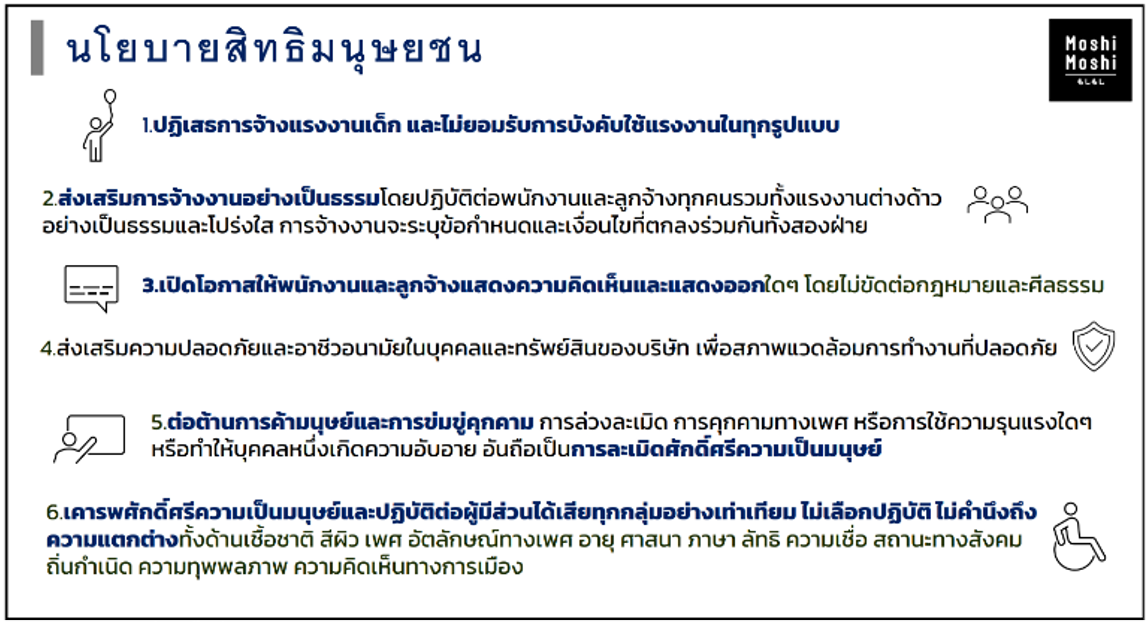
The Company also provides employee training programs, including workplace safety training, particularly for warehouse employees who operate tools and equipment, to ensure proper and safe usage and to reduce the risk of workplace accidents. In addition, the Company provides first aid and basic life support (CPR) training to equip employees with the skills necessary to assist themselves and others safely and appropriately, as well as to coordinate effectively with emergency medical services.
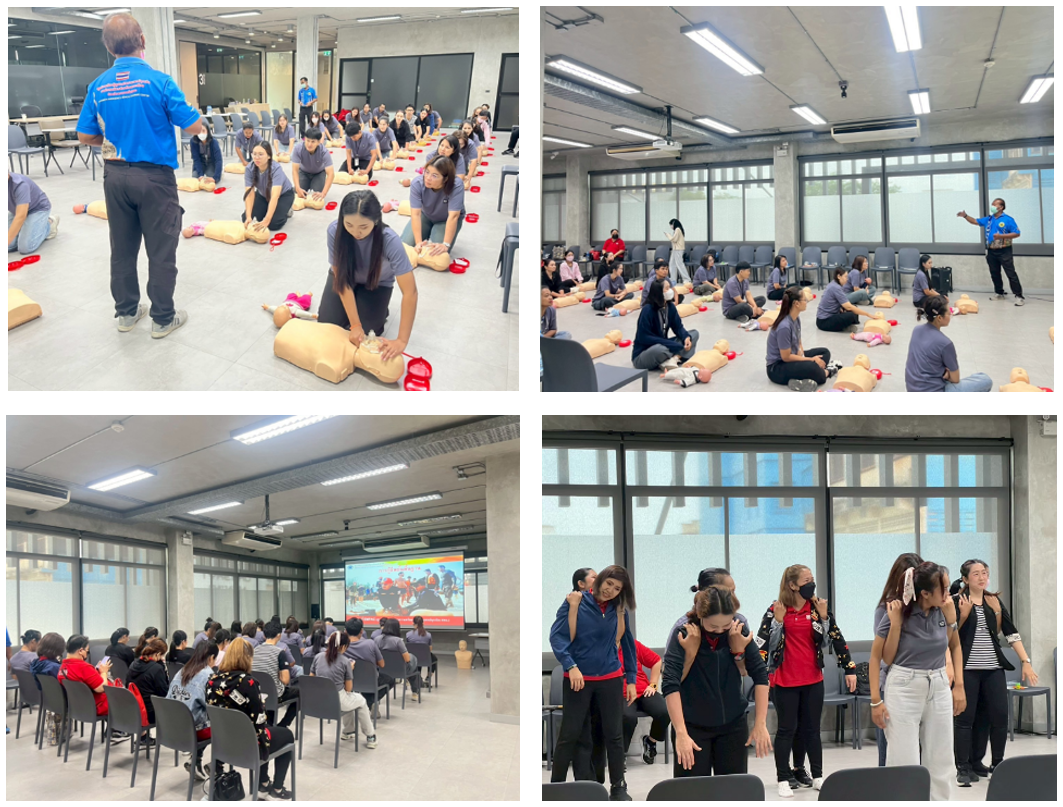
Furthermore, the Company regularly conducts emergency response drills, including fire safety and evacuation drills, at a frequency exceeding legal requirements to support the Business Continuity Plan (BCP). These activities ensure that employees are prepared to respond to emergencies, evacuate safely, and reduce risks to life and property.
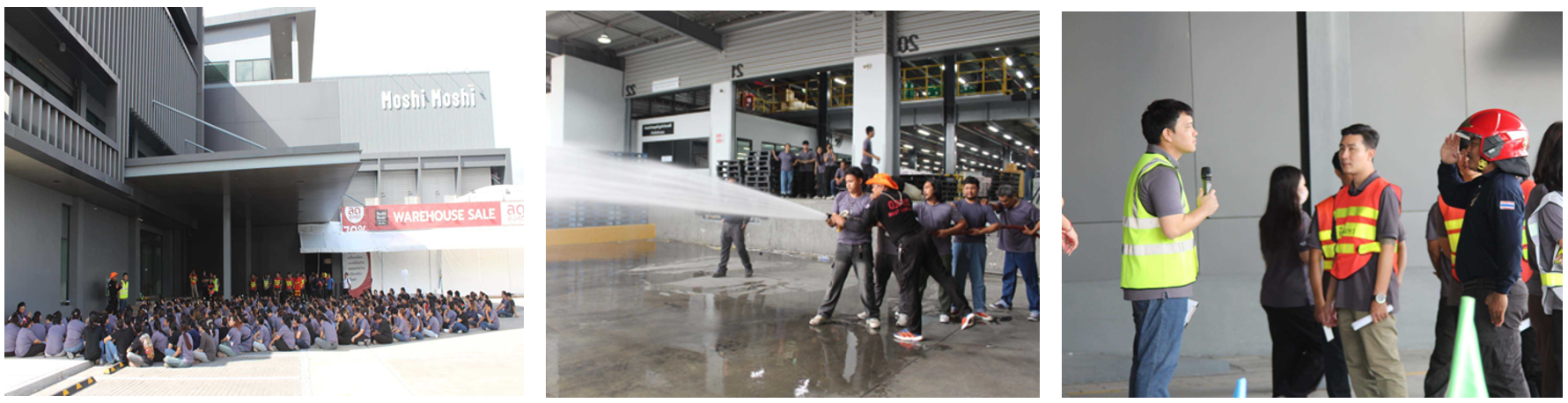
2. Workplace Safety Communication
The Company places strong emphasis on systematic and comprehensive communication regarding workplace safety. Various communication channels and easy-to-understand formats are used to promote awareness, understanding, and a culture of safety among all employees. Safety communication is regularly conducted through the dissemination of Safety News, which includes safety-related news, case studies, accident prevention guidelines, and safety statistics. The Company also conducts Safety Talk, consisting of concise discussions and practical advice focusing on daily work activities, proper use of personal protective equipment (PPE), and safe work procedures.
Communication channels include internal email systems, notice boards, internal communication applications or platforms, and monthly Safety Meetings. In addition, Safety Talks are conducted before the start of work to review safety practices. The Company also develops safety communication materials in various formats such as posters, infographics, and short videos designed to be engaging and easy to understand, ensuring that employees have adequate knowledge to perform their work safely.
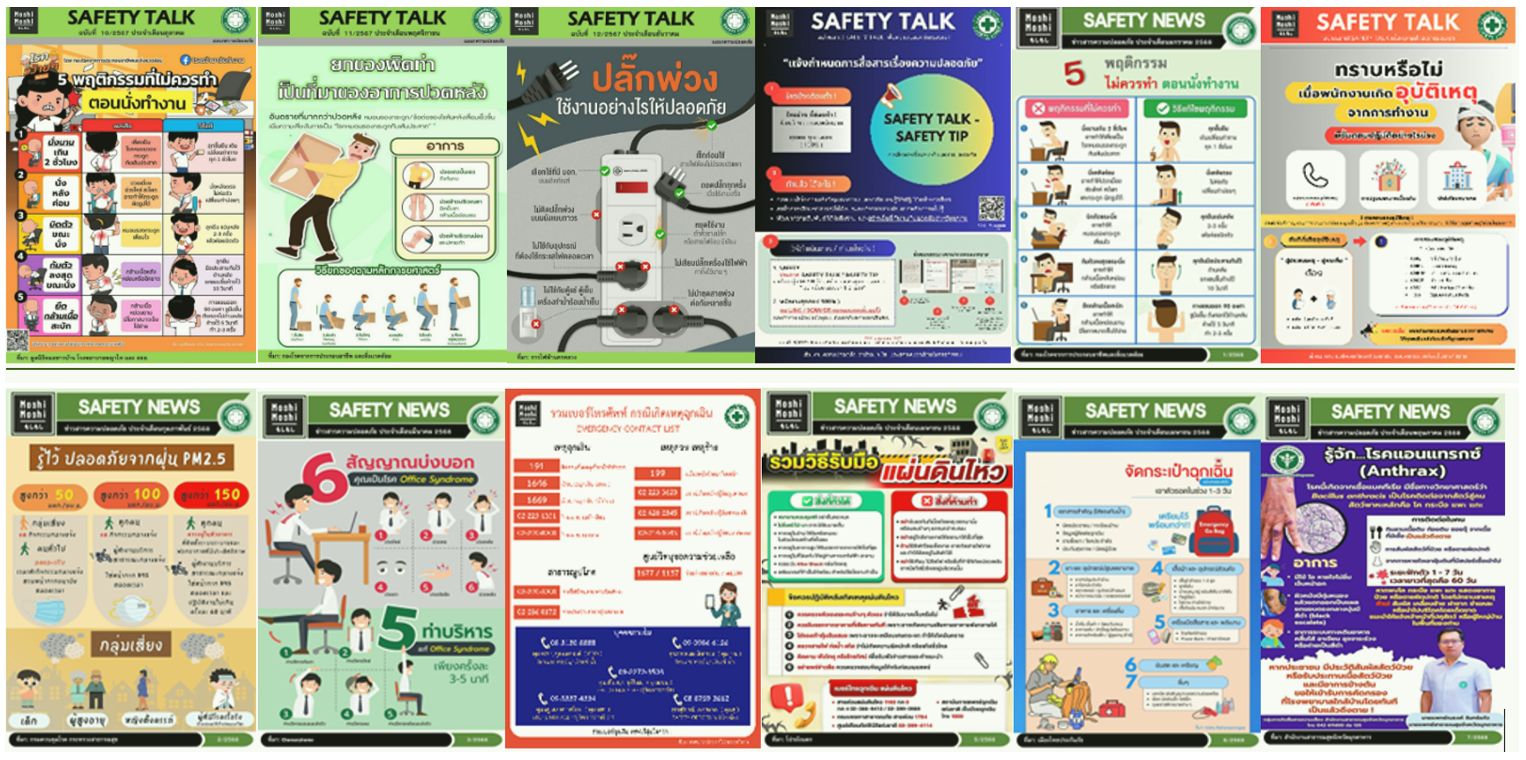
As part of the Safety Talk initiative, daily discussions are conducted with employees before starting work. These discussions reinforce safety practices, provide updates, and allow employees to share work experiences. The initiative aims to strengthen awareness and emphasize the importance of safety, promote positive attitudes toward safety, encourage alertness, and foster a proactive safety mindset. It also provides opportunities for employees to exchange ideas on problem-solving and continuously improve work processes to enhance workplace safety.
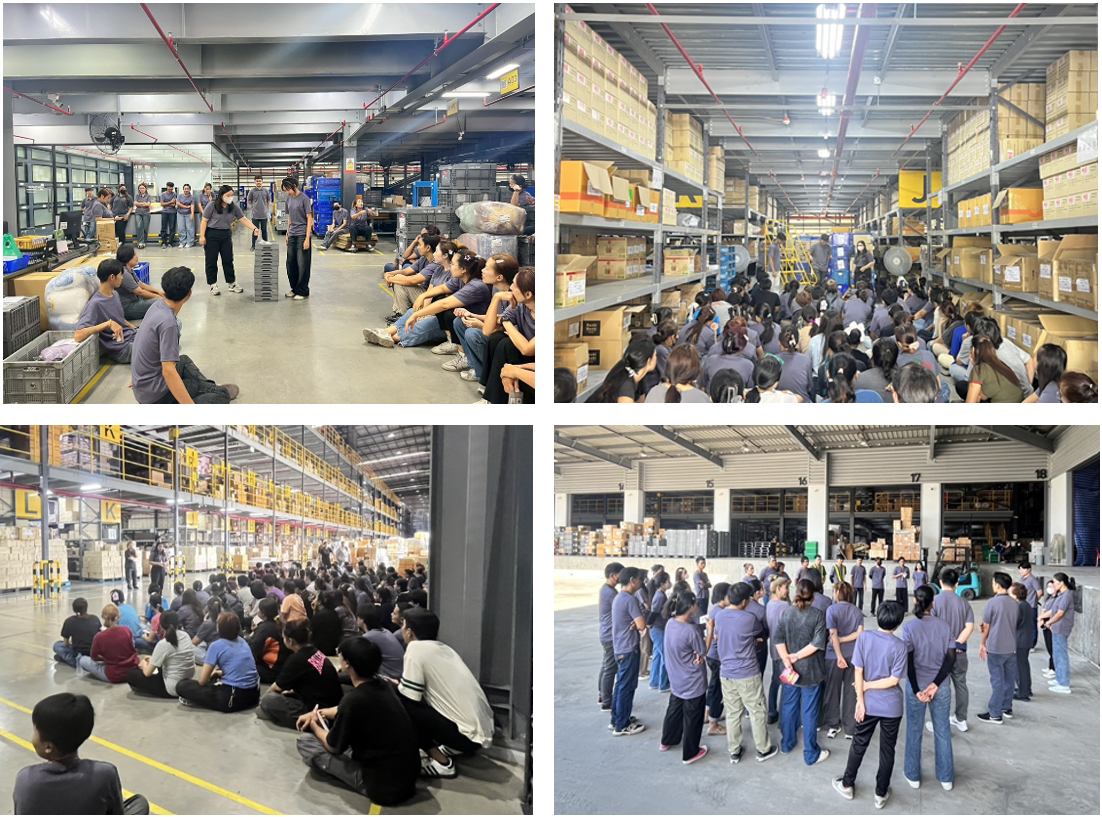
3. Random Drug Testing Program
The Random Drug Testing Program aims to prevent and reduce drug use within the workplace. It serves as a screening mechanism to mitigate risks that may affect employee performance and workplace safety. The program also promotes a safe working environment by preventing accidents that may occur if employees are under the influence of drugs, while reinforcing discipline and responsibility to build a strong organizational culture.
Implementation and Performance
The Company conducts random drug testing annually without prior notice to prevent and control risks that may affect the working environment, safety, and employee performance. In 2025, the testing was conducted as planned, and all employees passed the screening with no drugs detected. This result reflects the effectiveness of the Company’s preventive measures and its commitment to fostering a safe and drug-free organizational culture.
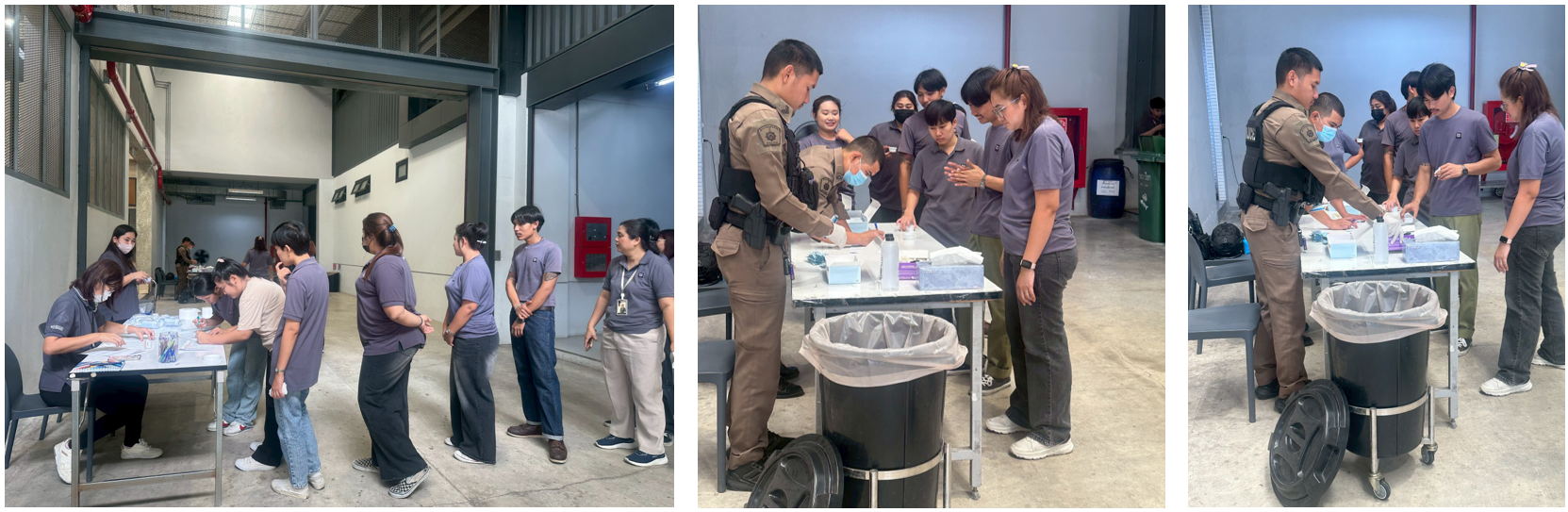
4. Happy 8 Program to Promote Employee Well-being
The Happy 8 Program aims to enhance employees’ quality of life and well-being by creating a Happy Workplace, which serves as a key concept in managing people within the organization. Happiness at work is considered a crucial factor in organizational management, as it helps employees enjoy their work, leading to increased productivity, reduced stress and conflicts within the organization, and improved employee behavior. Ultimately, this contributes to smoother operations and positive outcomes for both individuals and the organization as a whole.
Implementation and Performance
Happy Body: Promoting Employee Health and Well-being
The Company prioritizes employee health and well-being by providing annual health check-ups for employees to encourage preventive healthcare. Health check-up programs are tailored according to employees’ age groups and health risks, covering general health examinations, blood tests, age-appropriate disease screenings, and health consultations with medical professionals. These programs enable employees to detect health abnormalities at an early stage, better understand their health conditions, and receive appropriate guidance for maintaining good health. The Company also follows up on health check-up results and provides additional recommendations for employees identified with health risks to ensure continuous care and long-term well-being.
The Happy Body initiative reflects the Company’s commitment to being an organization that prioritizes employee health, recognizing that healthy employees form the foundation of sustainable organizational success and growth.
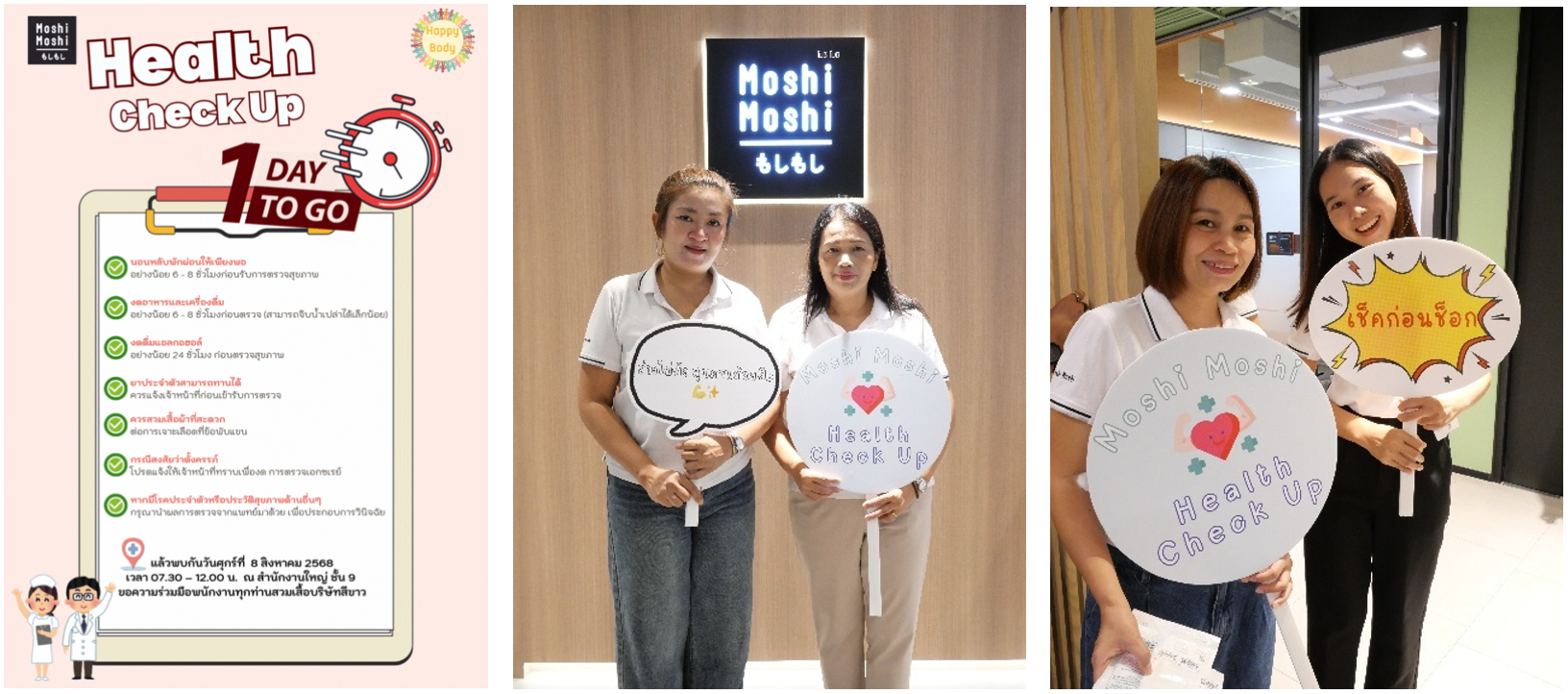
Happy Heart: Promoting Volunteerism and Social Responsibility
The Company has a policy to support and encourage employees to participate in volunteer activities and contribute to society. To support this objective, the Company established the “Give for Life – One Person Gives, Many People Receive” program to promote blood donation in a systematic and continuous manner. The Company has established a clear operational structure to support employee volunteerism by allocating working hours that allow employees to participate in blood donation activities without counting the time as leave. In addition, the Company provides venues and facilities within the organization to accommodate such activities and coordinates with the Thai Red Cross Society to organize annual blood donation events on a regular basis.
Furthermore, the Company places importance on communication and raising awareness among employees. Information is disseminated through internal communication channels to provide accurate knowledge about the health benefits of blood donation and to foster understanding of the importance of helping others and contributing to society. The program aims to cultivate a culture of giving and sharing among employees, promote employee well-being through meaningful activities, and strengthen positive relationships between the organization and society. This initiative reflects the Company’s commitment to encouraging employee participation in volunteer activities that create value for society while promoting sustainable employee health and welfare.
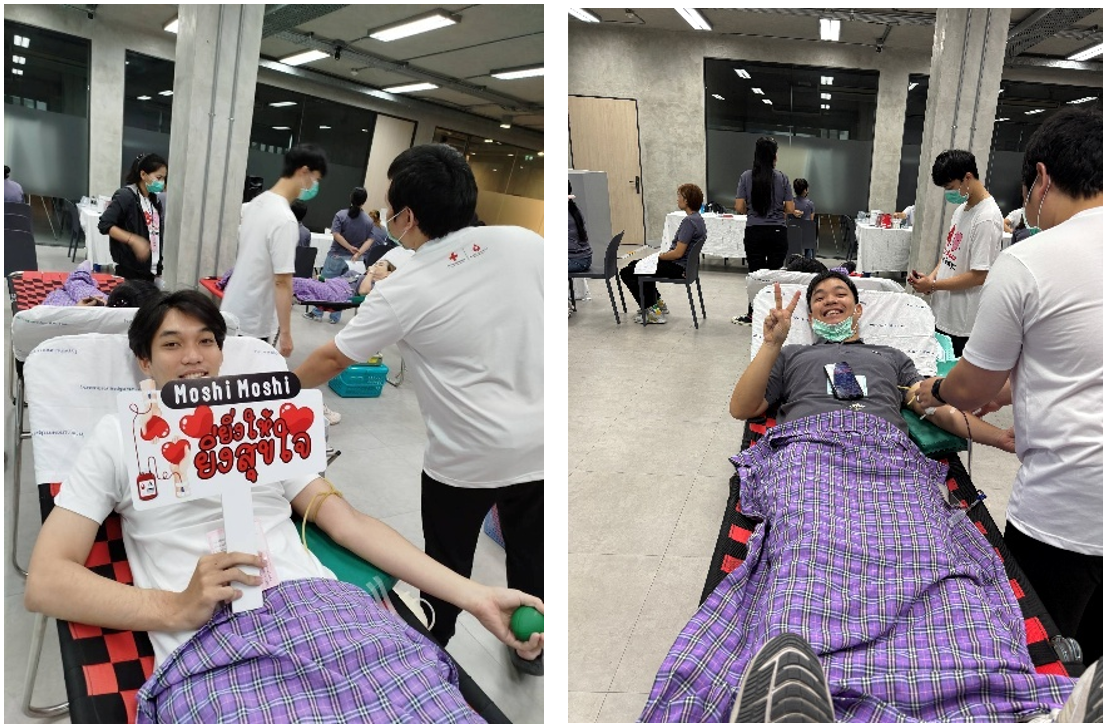
In addition, the Company has expanded its support for public health volunteer initiatives by inviting employees to pledge eye donations with the Thai Red Cross Society. The Company has developed communication materials to educate and raise awareness among employees about the importance and benefits of eye donation, which is considered a meaningful and valuable act of giving to individuals who suffer from visual impairment. Information is communicated through internal communication channels to ensure that employees receive accurate and comprehensive information, including explanations of the registration process and reassurance that eye donation is a valuable contribution that can genuinely help those in need. This initiative reflects the Company’s commitment to promoting a culture of giving and encouraging broader social participation among employees.

Happy Society: Fostering a Collaborative Workplace and Environmental Responsibility
The Company recognizes that organizational success is built upon teamwork and shared values. Accordingly, the Company organizes activities under the Happy Society concept to strengthen relationships among employees, cultivate the Company’s core values, and promote responsibility toward society and the environment. Key activities include the following:
The Team Building program aims to strengthen unity and reinforce the Company’s core values. Team-building activities are organized to promote the organization’s core values and enhance positive working relationships. Through specially designed group activities, each team is required to collaborate to solve problems or accomplish assigned tasks within a specified time frame. These activities enable employees to develop teamwork, communication, collaborative problem-solving, and time management skills. At the end of each activity, facilitators summarize the results and highlight key lessons learned, linking them to practical workplace applications. The discussions emphasize the importance of teamwork, mutual support, and working toward shared goals. As a result, employees are able to apply the knowledge and experiences gained to their daily work, thereby strengthening both team capability and the organization as a whole.
The Company also promotes environmental responsibility through the Give Back to Earth: Environmental Care Program. In 2025, the Company organized a beach clean-up activity in Klaeng District, Rayong Province, where executives and employees participated in protecting coastal ecosystems and reducing the impact of marine waste. This activity not only contributes to environmental protection but also creates opportunities for employees at all levels to work together in meaningful activities that benefit society and the environment. It also fosters environmental awareness and strengthens employee engagement through collaborative efforts toward a shared and positive goal.
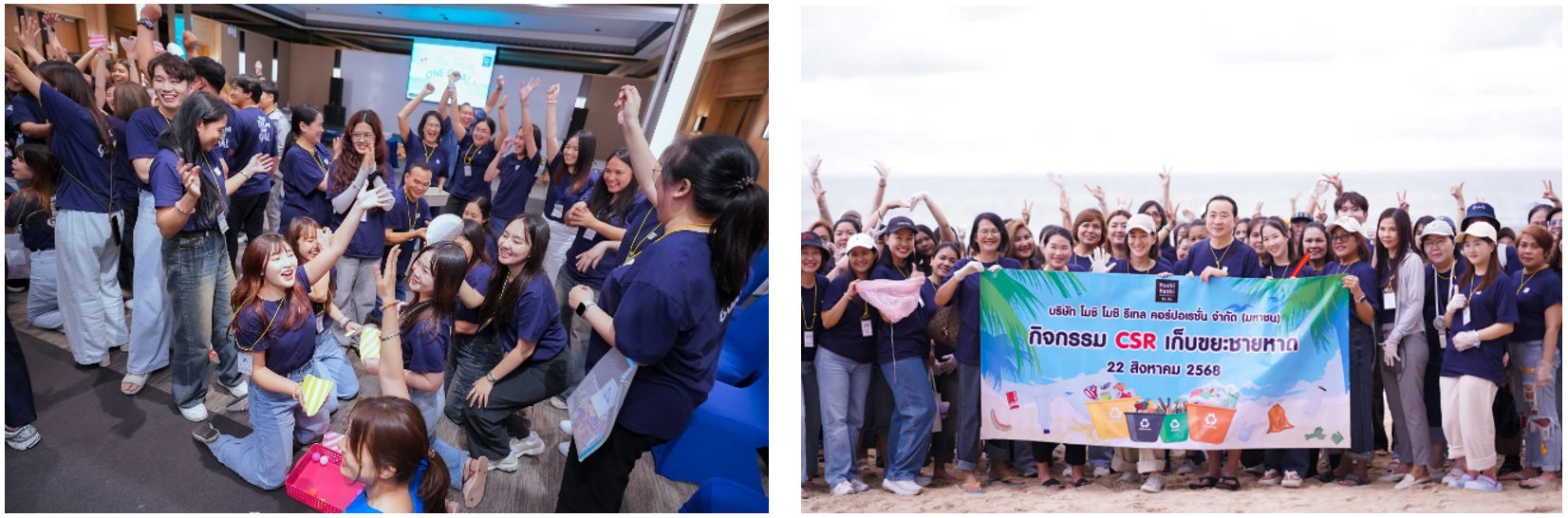
The Happy Society concept reflects the Company’s commitment to building a strong organization through teamwork, shared values, and responsibility toward society and the environment, supporting sustainable growth while fulfilling its role as a responsible corporate citizen.
Happy Family: Caring for Employees and Their Families
The Company considers every employee an important part of the Moshi Moshi family and recognizes that the happiness and stability of employees’ families directly affect their quality of life and work performance. Accordingly, the Company organizes activities under the Happy Family concept to support employee welfare and create meaningful opportunities for employees’ families in a comprehensive and continuous manner. Key initiatives include the following:
The “Give a Future: Shaping Dreams for Tomorrow” scholarship program provides educational scholarships to employees’ children who demonstrate good academic performance and conduct, from early primary education through upper secondary education or vocational certificate level. The program aims to expand educational opportunities and create a brighter future for employees’ children. An important concept of the program is to instill the value of giving and sharing. Scholarship recipients are encouraged to participate in community service activities to pass on the spirit of helping others and to cultivate a sense of social responsibility from an early age. These volunteer activities also provide opportunities for families to participate together in community service, allowing parents and children to spend meaningful time together, strengthen family relationships, and foster warmth within the family while instilling environmental and social responsibility among the younger generation.
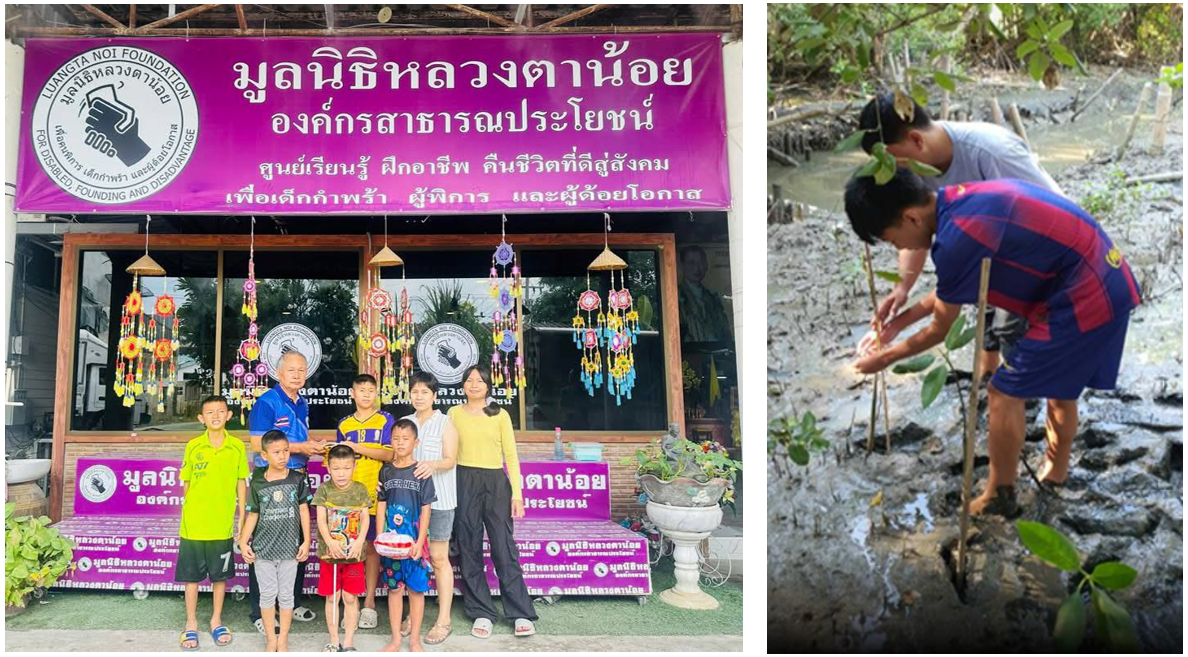
The Company also provides support for employees during times of crisis, as demonstrated during the severe flooding in southern Thailand in 2025. The disaster affected several employees, and the Company responded by taking concrete actions to support them. The management team traveled to Hat Yai District, Songkhla Province, to provide encouragement and assess the damage experienced by the families of 39 affected employees. In addition to providing financial assistance, the Company supplied cleaning equipment, coordinated home repair and restoration efforts, and closely monitored the recovery process to help employees and their families return to normal life as quickly as possible. This initiative reflects the Company’s care and responsibility toward its employees, not only as members of the workforce but as part of the Moshi Moshi family.
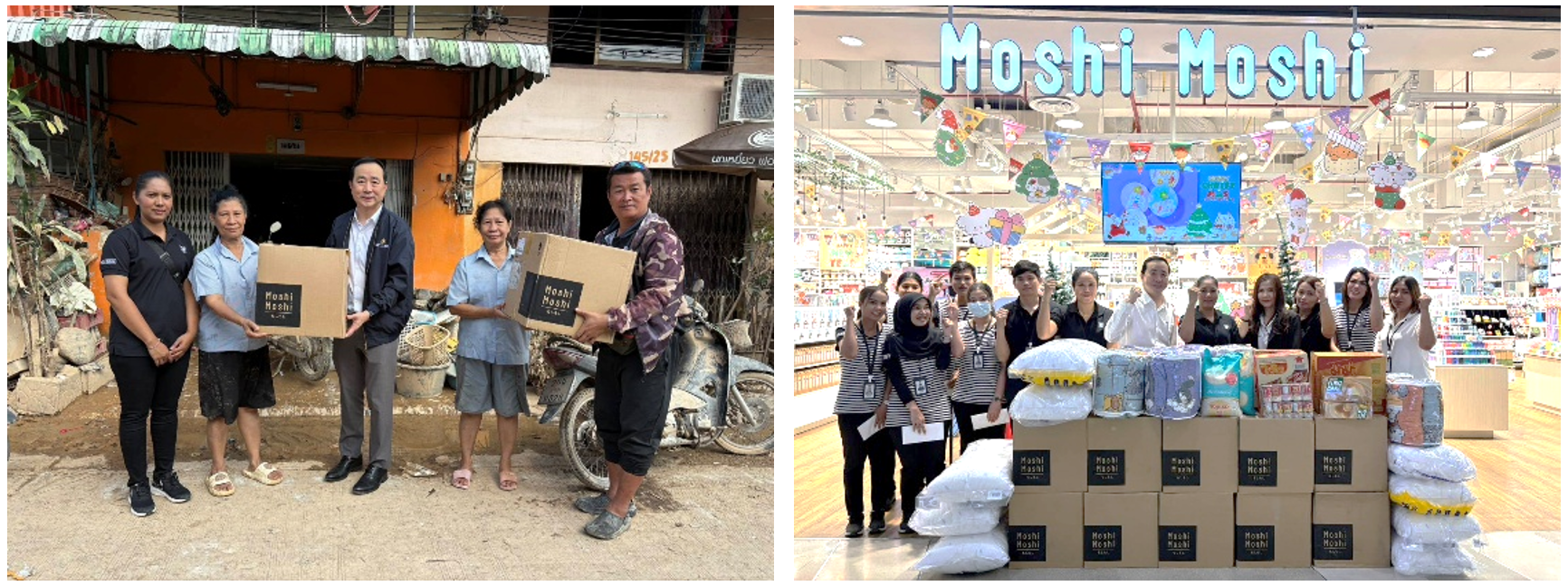
The Happy Family activities reflect the Company’s holistic approach to employee care, focusing not only on the well-being of employees but also on the well-being of their families and overall quality of life. Through these initiatives, the Company aims to create a supportive and stable working environment where employees and their families can grow together sustainably.
Happy Relax: Promoting Happiness and Stress Relief
The Company recognizes the importance of maintaining a balance between work and relaxation. Therefore, activities under the Happy Relax concept are organized throughout the year to encourage employees to relieve stress, enhance happiness, and strengthen relationships among colleagues through enjoyable and meaningful activities. Key activities include the following:
The Annual New Year Celebration is organized to bring together employees from all levels and departments to celebrate past achievements and welcome the new year with positive spirit and goodwill. The event provides an important opportunity for employees to socialize, exchange ideas, and build positive relationships across different functions. It also allows employees to share memorable experiences together, helping to foster a warm organizational culture and strengthen a sense of unity within the Company.
Valentine’s Day Activity: The Company organizes a special activity to share warmth and appreciation with employees. Heart-shaped candies and chocolates are given to all employees, accompanied by a Valentine-themed lucky draw for special prizes. In addition, “Cupid” representatives deliver surprise tokens of appreciation directly to employees at their desks. The activity helps create a cheerful atmosphere and brings smiles to everyone on the day of love, while also reflecting the Company’s care and appreciation for its employees.
Christmas Festival Activity: The Company organizes a year-end Christmas celebration to create a joyful and warm festive atmosphere. During the event, “Santa Claus” distributes sweets to employees, while the “Merry Buddy Moment” activity provides an opportunity for buddies and budders to care for one another and exchange gifts during the festive season. This activity not only creates laughter and enjoyment but also strengthens relationships between senior and junior employees, fostering stronger connections and promoting a warm and friendly working environment.

Moshi Moshi Challenge Activity: The Company invited employees to participate in the Moshi Moshi Dance Challenge by performing a dance to Moshi Moshi’s music on TikTok for a chance to win prizes. This activity was designed to create enjoyment and entertainment while encouraging employees to stay active, relieve work-related stress, and bring positive energy to their daily work. In addition, the activity helped promote the Moshi Moshi brand through employee participation, fostering a sense of pride and stronger connection with the brand and the organization.
The Happy Relax activities reflect the Company’s commitment to promoting employee well-being, fostering a healthy work–life balance, and creating a working environment where employees feel valued, happy, and motivated to collaborate and perform at their full potential.
Happy Brain: Enhancing Knowledge and Life Skills
The Company places great importance on continuously developing employees’ potential and quality of life, recognizing that employees with diverse knowledge and skills are able to perform their duties more effectively and maintain a better quality of life. Accordingly, the Company organizes activities under the Happy Brain concept to encourage learning and personal development in all aspects of life. A key initiative is HR Connect, a communication and knowledge-sharing platform organized on a regular basis to deliver useful information covering both work and everyday life. The platform features carefully selected, up-to-date, and engaging content that employees can practically apply in their daily lives. Topics include work and communication skills, time and stress management, financial planning and saving, health and nutrition, legal knowledge and employee benefits, as well as emerging trends and innovations.
In addition, the Company emphasizes building awareness of environmental responsibility and sustainability by providing knowledge on environmental management practices that can be applied in daily life. Examples include reducing the use of single-use plastics, proper waste separation, saving energy and water at home and in the workplace, selecting environmentally friendly products, reusing and recycling materials, and adopting practical approaches to reducing greenhouse gas emissions in everyday activities. These initiatives enable employees to contribute concretely to environmental protection both in their personal lives and within the workplace.
These activities aim to enhance employees’ overall quality of life by strengthening knowledge and life skills, enabling them to better cope with challenges in both professional and personal contexts. At the same time, they promote a culture of lifelong learning, environmental and social responsibility, and continuous self-development among employees.
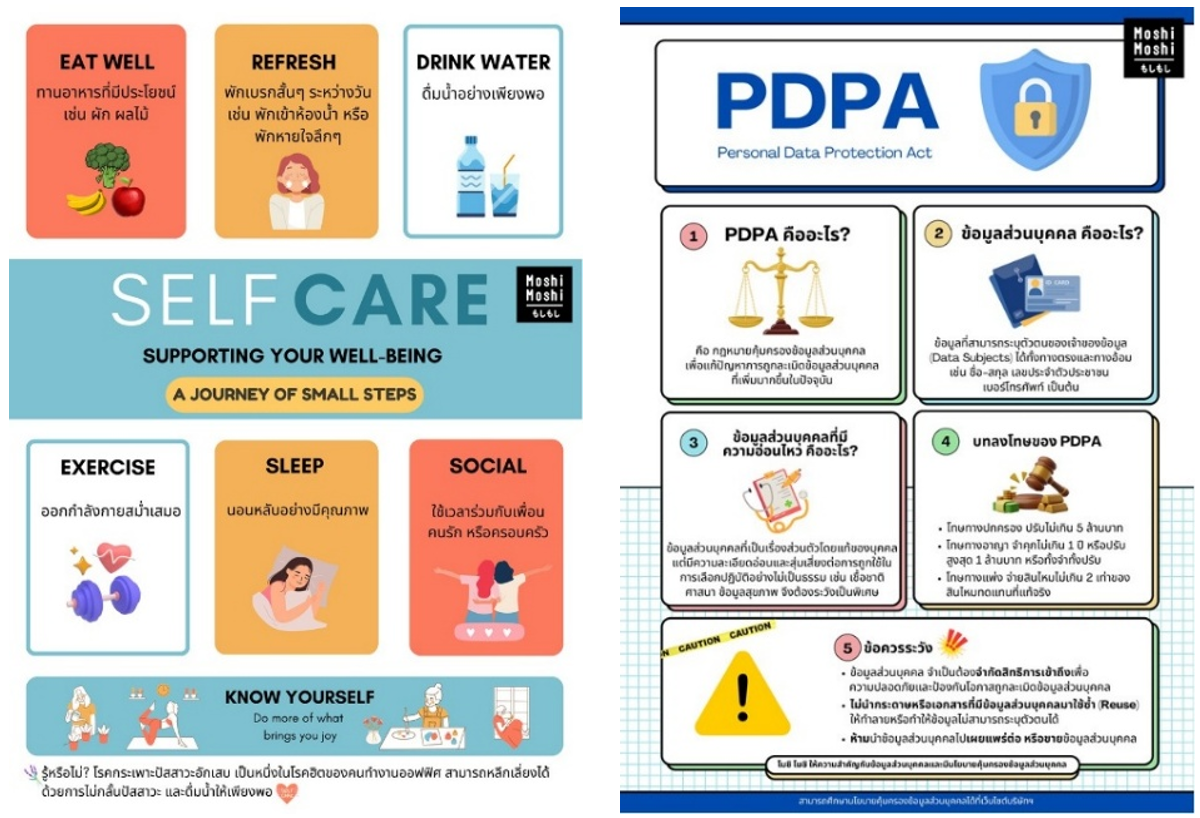
The Happy Brain activities reflect the Company’s belief that investing in the development of employees’ knowledge and skills is the most valuable investment. Employees who possess strong capabilities, enjoy a good quality of life, and maintain a strong sense of responsibility toward society and the environment will serve as a key driving force in leading the organization toward sustainable success.
Happy Money: Strengthening Employees’ Financial Well-Being
The Company recognizes that financial stability is a fundamental foundation for a good quality of life and happiness at work. Therefore, activities are organized under the Happy Money concept to support employees in financial matters, reduce financial burdens, and create better opportunities for employees and their families. In 2025, the Company implemented two key financial assistance initiatives.
The “Jai Foo Loan Program” was developed in collaboration with a financial services provider to offer a special low-interest loan program exclusively for Moshi Moshi employees. The program serves as an alternative financial solution for employees who may face urgent financial needs or unexpected emergencies. Key benefits include no collateral or guarantor requirements, interest rates lower than typical loan programs with a reducing balance calculation method, convenient online application, a fast approval process, and easy repayment through automatic deductions. At the same time, the Company emphasizes responsible borrowing and encourages employees to borrow only when necessary and within their repayment capacity in order to avoid excessive debt that could negatively affect their long-term quality of life. This program reflects the Company’s commitment to providing employees with safe and reliable financial options, particularly during times of urgent need.
The “Give a Future” Educational Scholarship Program continues to provide scholarships for employees’ children from primary to upper secondary education or equivalent. The program aims to create educational opportunities while reducing the financial burden on employees’ families. Employees may apply for scholarships for their children, and scholarship recipients are encouraged to participate in community service activities such as donating unused items, tree planting, or reading books for the visually impaired. These activities help cultivate a spirit of generosity and social responsibility from a young age. The program not only alleviates educational expenses for employees’ families but also encourages family members to spend meaningful time together through volunteer activities. Furthermore, it strengthens employees’ sense of belonging and engagement with the Company, as it demonstrates that the Company cares not only for employees themselves but also for their families and their children’s future.
The Happy Money activities reflect the Company’s commitment to enhancing employees’ overall well-being, particularly in terms of financial security, which forms a vital foundation for a good quality of life. Employees who enjoy financial stability and strong family support are better able to perform effectively at work and develop a lasting sense of engagement and loyalty to the organization.
Happy Soul: Nurturing the Mind and Preserving Thai Culture
The Company places importance on fostering a balance between work and a strong state of mind, while also preserving and continuing the valuable traditions of Thai culture. Accordingly, activities are organized under the Happy Soul concept to strengthen employees’ mental well-being, enhance positive relationships among employees, and uphold the cultural values that are unique to Thai society.
One of the key activities is the Songkran Celebration, organized to honor the Thai New Year in a respectful and meaningful manner. The Company arranges a traditional water-pouring ceremony for the Buddha image at both the head office and the warehouse, providing employees with an opportunity to participate in merit-making and pay respect to sacred traditions in accordance with Thai customs. This activity not only helps preserve Thailand’s cultural heritage but also serves to boost employee morale, promote peace of mind, and encourage positive energy as employees begin the new year.
In addition, the event creates a warm and friendly atmosphere within the organization by offering traditional desserts to help employees cool down during the Songkran season and share moments of happiness together. Such activities strengthen bonds among employees and reinforce the sense of belonging as part of the Moshi Moshi family.
The Happy Soul activities reflect the Company’s commitment to supporting employees’ overall well-being, not only in terms of physical health and financial stability but also their mental and spiritual well-being. At the same time, these activities help preserve and continue the rich values of Thai culture within the organization, fostering balance and genuine happiness among employees and supporting their well-being in a sustainable manner.
5. Congratulation Probation for PC Program: Welcoming and Encouraging New Employees
The Company recognizes that the probation period is an important phase that may present challenges for new employees, particularly Product Consultant (PC) who interact directly with customers and must adapt to a new working environment. Therefore, the Company has established the Congratulation Probation for PC Program to boost morale, provide support, and build confidence so that employees can adjust smoothly to their roles and feel valued in their positions.
Once employees successfully pass their probation evaluation, the Company presents them with congratulatory rewards and small gifts, such as snacks or token prizes that they can share and celebrate with colleagues at their respective branches. This gesture not only celebrates their achievement and recognizes them as official members of the team, but also serves to encourage continued motivation at work. In addition, the program fosters a friendly and warm working atmosphere, strengthens relationships between new employees and their colleagues, and helps employees feel welcomed, valued, and truly part of the Moshi Moshi family.
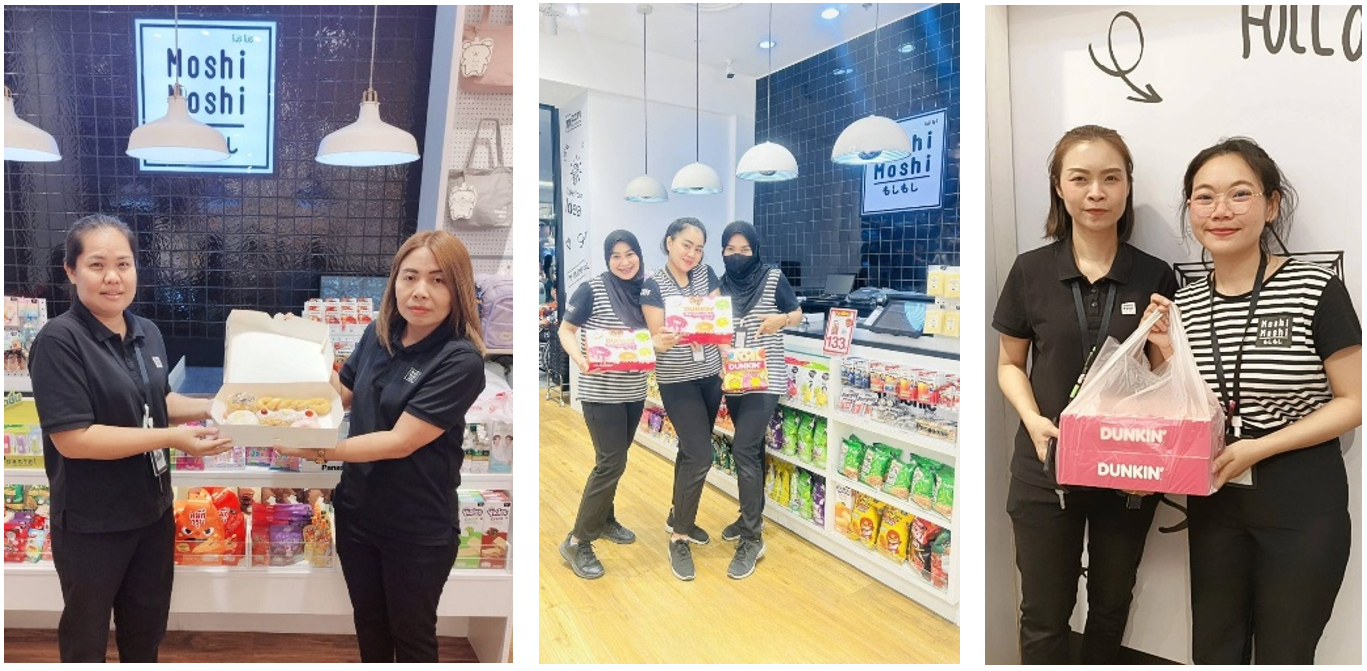
6. Employee Welfare Development Program for Employee Well-being
The Company is committed to continuously improving employees’ quality of life and well-being by developing appropriate welfare programs and a supportive working environment. These initiatives aim to enable employees to perform their duties effectively while fostering a strong sense of engagement with the organization.
In 2025, the Company implemented several initiatives to enhance employee welfare and improve the working environment in order to elevate employees’ quality of life and overall well-being in a tangible manner. In addition to the Jai-Foo Loan Program, a low-interest loan facility available to employees nationwide, the Company also relocated its headquarters and redesigned the workspace to create a more modern, aesthetically pleasing, and productive working environment. Air purifiers were installed to improve indoor air quality, and a Co-working Space was created to provide an area where employees can relax and engage in collaborative activities. Within this space, beverages, fruit juices, and healthier snack options are also provided, allowing employees to recharge during the workday while supporting their well-being.
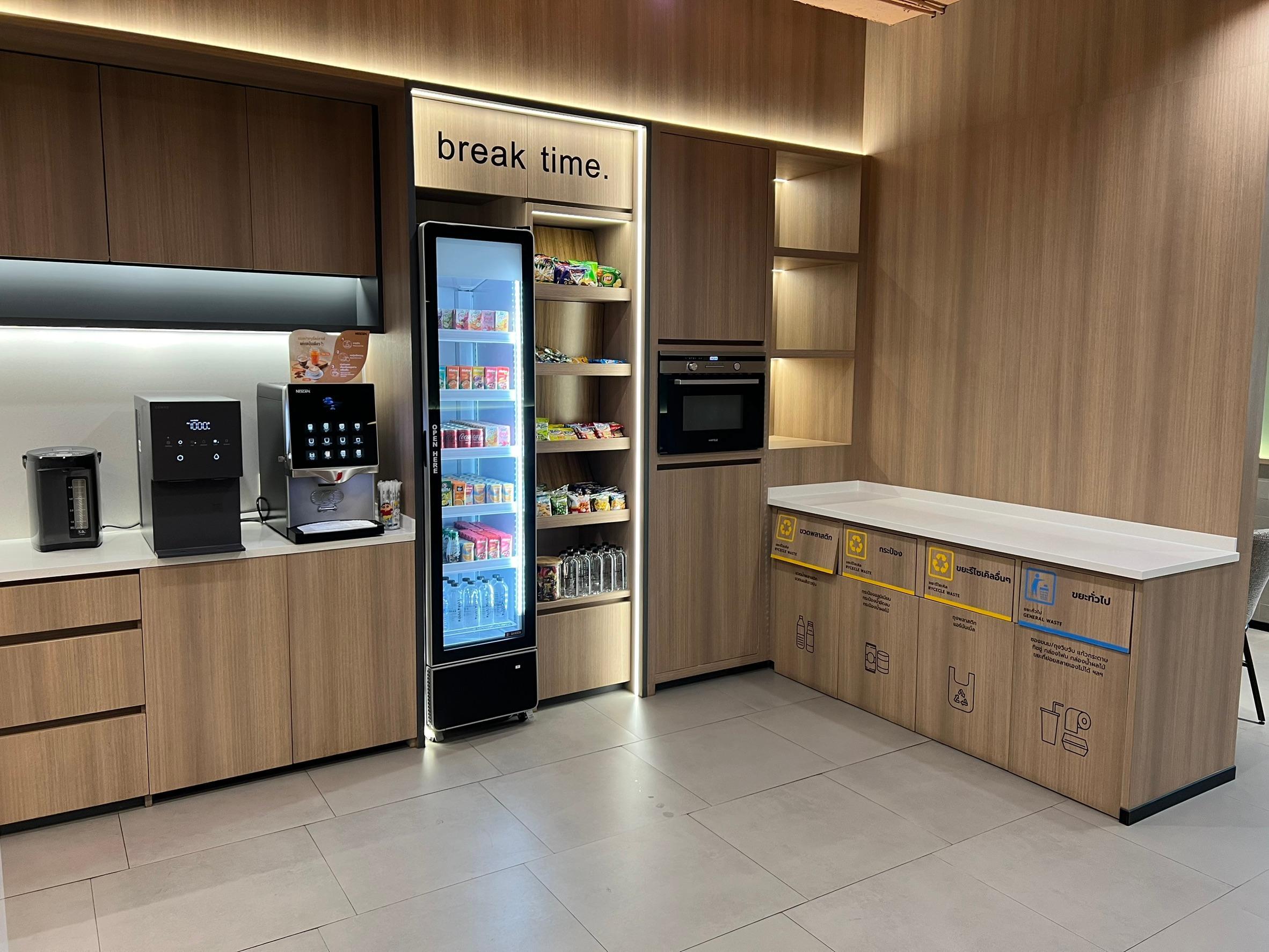
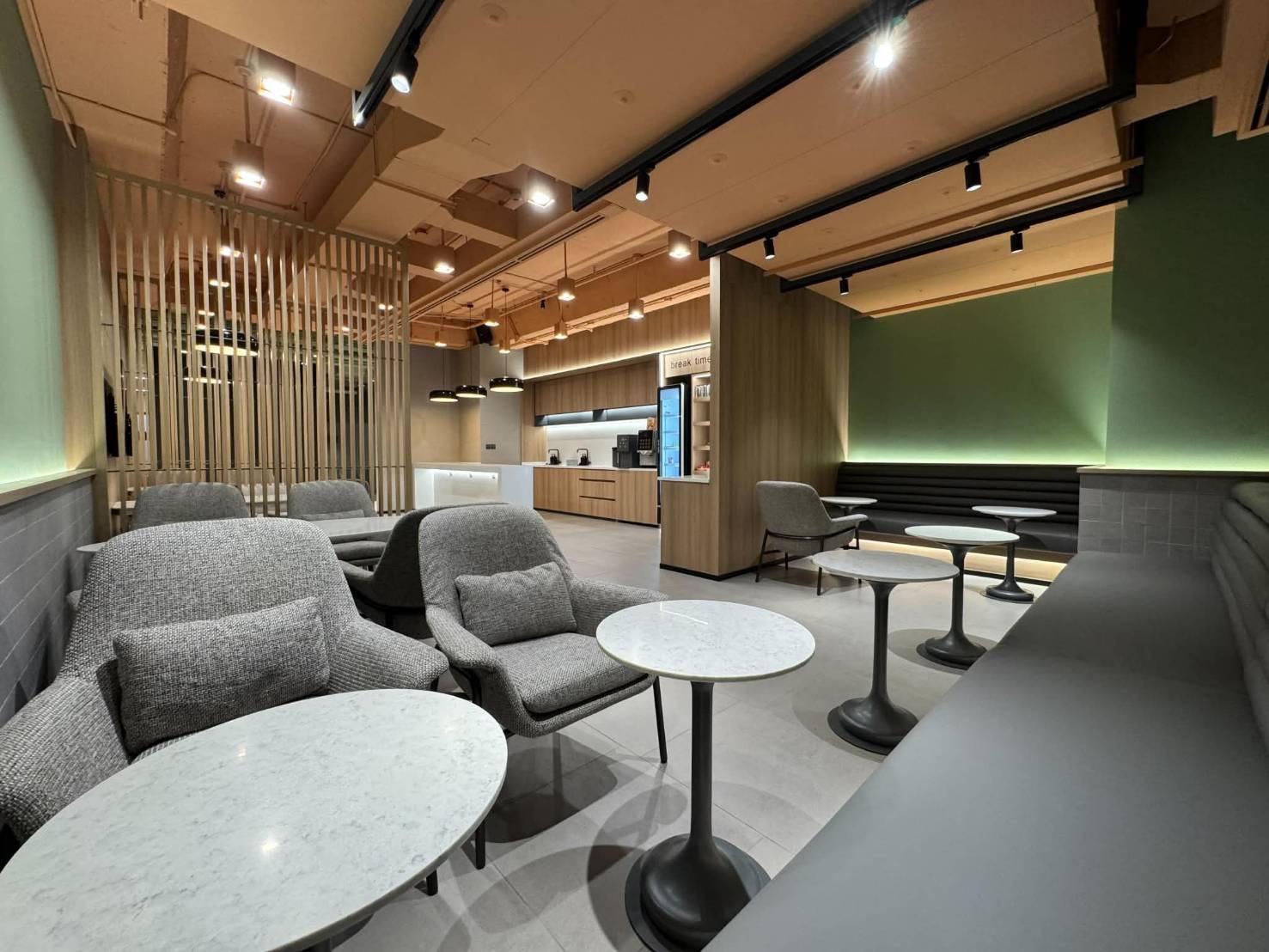
In terms of safety, following an earthquake incident in Bangkok, the Company demonstrated its strong sense of responsibility and care for employee safety by inviting a professional civil engineer to inspect the structural stability and safety of the office building. The Company also engaged a professional cleaning service to conduct a thorough cleaning of the office before reopening to ensure proper hygiene for employees. In addition, the Company coordinated with the building management to organize a special emergency evacuation drill, ensuring that employees are prepared to evacuate safely and efficiently in the event of an emergency.
Furthermore, the Company places special emphasis on the health of female employees by encouraging them to participate in free breast cancer screening in collaboration with the Kanjanabaramee Foundation. The Company coordinated with the foundation’s staff and facilitated the registration process to encourage employees to take care of their health and enable early detection of potential health issues, which can lead to more effective treatment and improved quality of life. On Labour Day, the Company also provided amusement park discount coupons to employees as a gift, offering them an opportunity to relax and spend quality time with their families. This initiative helps relieve work-related stress and promotes a healthy work-life balance. These welfare development initiatives reflect the Company’s commitment to becoming an organization that cares for employees in a comprehensive manner—from fair and competitive compensation, a positive working environment, safety, and health, to work–life balance—ultimately enhancing employees’ quality of life and fostering long-term engagement between employees and the organization.
Customers — Plan & Guidelines
Has a Customer Management Plan
Yes
Plan Description
Enhancing Customer Satisfaction and Strengthening Customer Relationships
In today’s highly competitive business environment, maintaining customer satisfaction is one of the key factors contributing to the growth and long-term sustainability of a lifestyle retail business. Accordingly, the relevant departments, including the Marketing Department, Sales and Operations Department, and Product Sourcing and Development Department, have collaboratively developed a customer satisfaction improvement plan. The Company utilizes insights obtained from surveys of Moshi Moshi store members to analyze customer behavior and needs. The information gathered is then used to formulate action plans aimed at enhancing customer satisfaction with services, products, and the overall shopping experience, fostering customer loyalty and strengthening the brand image from the customers’ perspective.
Based on questionnaire responses collected from Moshi Moshi members to assess satisfaction levels and identify areas for improvement—covering product development, pricing, communication channels, marketing, and service the Company implemented the following action plans in 2025 to further enhance customer satisfaction:
1. Product: The Company introduced more than 12,000 new product items and established a continuous plan to introduce new products each year in order to enhance product variety and comprehensively respond to customer needs. This includes new products, collaboration items, licensed character merchandise, and the expansion of product categories to strengthen the completeness of the product lineup and create a more diverse shopping experience, such as DIY products, environmentally friendly products, and hardware tools. In addition, the Company has expanded product distribution to branches in provincial areas to ensure product availability comparable to branches in Bangkok.
2. Promotion: The Company plans monthly promotional campaigns and offers special promotions exclusively for members in various formats. These include free gifts when purchases meet specified conditions, discounts for selected product categories, and special coupons for items in participating categories. Such benefits are available exclusively to Moshi Moshi members under specific terms and promotional periods.
3. Store & Atmosphere: The Company renovated six branches, namely Market Suvarnabhumi, Imperial Samrong,
V-Square Nakhon Sawan, Ton Tann Market Khon Kaen, The Mall ThaPhra, and Robinson Lat Krabang. Improvements also included furniture upgrades and clearer zoning of products by category to enhance convenience for customers when selecting products.
4. Service: The Company regularly provides service training and develops service-minded attitudes among sales staff at each branch. Training topics include customer service, greeting customers, introducing promotions, inquiring about membership, payment procedures, and customer engagement. In addition, staffing levels at each branch are reviewed and adjusted to ensure sufficient personnel to support operations.
5. Marketing & Communication: The Company manages and develops engaging communication content and plans its distribution through various social media platforms, including Facebook, TikTok, and Instagram. Marketing campaigns and events are also organized to promote products and increase customer engagement. In addition, the Company collaborates with Nano Influencers, Key Opinion Leaders (KOLs), and user-generated content (UGC) creators to enhance credibility through authentic product usage experiences.
Management of Customer and Consumer Health and Safety
The Company places the highest priority on the health and safety of its customers and consumers. A comprehensive management process has therefore been established across the entire value chain, from product design and selection, raw material sourcing, and transportation, to service delivery.
In the product selection process, the Company emphasizes safety and quality by establishing clear product standards and verifying that product components are safe for consumers. In terms of raw material sourcing, the Company selects partners and suppliers that operate with recognized standards and reliability. Supplier evaluations are conducted based on two key dimensions: business capability and sustainability, covering labor practices, occupational health and safety, social responsibility, and environmental performance. The Company also verifies relevant certifications, such as the Thai Industrial Standards (TIS) and Food and Drug Administration (FDA) standards. Suppliers are required to meet the Company’s overall scoring criteria across all evaluation dimensions.
The Company has established a regular product quality inspection system covering product receiving, storage, and distribution. The warehouse and logistics department conducts random inspections to ensure product quality and safety, verifies the accuracy of product labeling in accordance with legal requirements, stores products in compliance with safety standards—such as temperature and humidity control—and maintains monitoring systems for products approaching their expiration dates.
For transportation, the Company uses vehicles and equipment appropriate for each product type, maintains suitable transportation conditions, and monitors product conditions throughout the delivery process. In terms of service, the Company provides accurate and complete product information, offers appropriate usage guidance, establishes complaint channels for customers, and implements prompt product recall procedures when issues are identified. In addition, a traceability system is maintained to identify product origins and enable timely corrective actions.
Through this systematic and comprehensive management approach, the Company is committed to delivering quality, safe, and reliable products and services in order to continuously build trust among customers and consumers.
Product Communication and Information Disclosure
The Company is committed to providing complete and accurate product information to consumers. This includes clear product labeling, transparent communication of service conditions and warranty terms, fair pricing practices, and the organization of promotional activities that prioritize consumer benefits. The Company also places strong emphasis on protecting customers’ personal data in accordance with international standards and applicable laws and regulations.
Complaint Management and After-Sales Service
The Company has established a complaint handling system through multiple channels, both online and offline, with clearly defined response and resolution timeframes. The Marketing Department is responsible for collecting complaints and coordinating with relevant departments to investigate and resolve issues in a systematic manner. The Company also has a product return and exchange policy within 7 days and regularly follows up on customer satisfaction in order to continuously improve its service quality.
In addition, the Company regularly reviews and updates its product and customer responsibility guidelines to ensure alignment with current circumstances, changes in relevant laws and regulations, and evolving consumer expectations.
Product Quality to Meet Consumer Needs
The Company places strong emphasis on product quality to meet consumer needs, recognizing that it is a key driver of sustainable business success. The Company believes that products that truly meet consumer expectations will create positive impressions, trust, and customer loyalty, which form the foundation for long-term business growth and stability. Furthermore, the Company considers investment in product quality to be a worthwhile investment, as it helps reduce costs associated with problem resolution, product returns, and potential loss of customers.
The Company also believes that continuously improving product quality presents an opportunity to create differentiation in a highly competitive market. In an era where consumers have numerous choices and expect more than just functional products, factors such as safety, reliability, and social and environmental responsibility are increasingly important. Therefore, emphasizing product quality reflects the Company’s vision and commitment to consumers, society, and all stakeholders.
Policy and Practices
The Company has established policies and practices for product quality management in accordance with international standards and applicable laws and regulations. These policies emphasize the production and sourcing of quality products, covering the establishment of quality standards, safety requirements, and user convenience. The Company also selects business partners that have obtained recognized certifications and regularly inspects the quality of raw materials to ensure that products meet the required standards. In addition, a clear and standardized product recall plan has been established.
The Company places importance on continuous product quality control and development in order to deliver high-quality products that meet customer needs. The Company has also set targets to reduce quality-related complaints and actively listens to customer feedback in order to analyze and further develop products that better respond to market demands.
Plan Areas
| Plan Area |
|---|
| Responsible production and services for customers |
| Communication of product and service impacts to customers/consumers |
| Development of customer satisfaction and customer relationship |
Customers — Satisfaction Results
Introduction
The Company regularly conducts customer satisfaction assessments regarding its products and services. A quantitative target has been established to enhance customer satisfaction, with the goal of achieving a customer satisfaction survey score of 85%. The Company collects satisfaction data from customers at each branch and analyzes the results in order to improve products and services, as well as to continuously enhance the Company’s business processes.
In 2025, the Company conducted a customer satisfaction survey and achieved a satisfaction score of 92%, exceeding the target set by the Company.
Customer Satisfaction Results
| Metric | Current Year | Previous Year | Two Years Ago |
|---|---|---|---|
| Evaluation results of customer satisfaction | 1 | 1 | 1 |
Customers — Targets
Has Set Customer Targets
Yes
Targets
| Indicator | Target Areas | Target Year | Target Year — Description |
|---|---|---|---|
| Customer complaints related to product quality were less than 1% of total annual sales. | 3007 · Description: Responsible production and services for customers | 2,026 | Customer complaints related to product quality were less than 1% of total annual sales. |
| Review and update the product return and claim procedures and establish clear written guidelines. | 3007 · Description: Responsible production and services for customers | 2,026 | Review and update the product return and claim procedures and establish clear written guidelines. |
| Implement a system for documenting and monitoring quality-related complaints | 3007 · Description: Responsible production and services for customers | 2,026 | Implement the system for recording and tracking quality-related complaints |
| Set a target of zero cases of complaints related to false or exaggerated advertising, misleading communication, and violations of consumer rights. | 3008 · Description: Communication of product and service impacts to customers/consumers | 2,026 | Set a target of zero cases of complaints related to false or exaggerated advertising, misleading communication, and violations of consumer rights. |
| Conduct customer satisfaction surveys and complete the development of a customer satisfaction improvement plan. | 3009 · Description: Development of customer satisfaction and customer relationship | 2,026 | Conduct customer satisfaction surveys and complete the development of a customer satisfaction improvement plan. |
| Enhance the standards of quality and product safety management to strengthen consumer satisfaction and trust. | 3009 · Description: Development of customer satisfaction and customer relationship | 2,026 | Enhance the standards of quality and product safety management to strengthen consumer satisfaction and trust. |
| Complaints regarding substandard products accounted for less than 1% of annual sales. | 3007 · Description: Responsible production and services for customers | 2,028 | Complaints regarding substandard products accounted for less than 1% of annual sales. |
| Establish a timeframe to complete the fact-finding investigation within 30 days after receiving product quality complaints. | 3008 · Description: Communication of product and service impacts to customers/consumers | 2,028 | Establish a timeframe to complete the fact-finding investigation within 30 days after receiving product quality complaints. |
| Develop a system for analyzing the root causes of quality complaints and establishing preventive measures. | 3007 · Description: Responsible production and services for customers | 2,028 | Develop a system for analyzing the root causes of quality complaints and establishing preventive measures. |
| Strengthen the rigor of supplier monitoring by engaging an independent third party to audit compliance with the Supplier Code of Conduct. | 3011 · Other name: trengthen the rigor of supplier monitoring by engaging an independent third party to audit complianc · Description: Other | 2,028 | Strengthen the rigor of supplier monitoring by engaging an independent third party to audit compliance with the Supplier Code of Conduct. |
| Conduct random audits of Tier 1 suppliers producing products that may impact consumer health and safety, at least one supplier per year. | 3011 · Other name: Conduct random audits of Tier 1 suppliers producing products that may impact consumer health and saf · Description: Other | 2,028 | Conduct random audits of Tier 1 suppliers producing products that may impact consumer health and safety, at least one supplier per year. |
| Enhance the consumer complaint management and remediation system to improve its effectiveness. | 3007 · Description: Responsible production and services for customers | 2,028 | Enhance the consumer complaint management and remediation system to improve its effectiveness. |
| Establish and implement a Product Quality and Product Recall Policy. | 3008 · Description: Communication of product and service impacts to customers/consumers | 2,030 | Establish and implement a Product Quality and Product Recall Policy. |
| Complaints regarding substandard products accounted for less than 1% of annual sales. | 3007 · Description: Responsible production and services for customers | 2,030 | Complaints regarding substandard products accounted for less than 1% of annual sales. |
| Develop a preventive quality management system covering the entire production process. | 3007 · Description: Responsible production and services for customers | 2,030 | Develop a preventive quality management system covering the entire production process. |
| Establish a sustainable supply chain management system covering suppliers at all tiers. | 3011 · Other name: Establish a sustainable supply chain management system covering suppliers at all tiers. · Description: Other | 2,030 | Establish a sustainable supply chain management system covering suppliers at all tiers. |
| Develop a product traceability system covering all product categories. | 3007 · Description: Responsible production and services for customers | 2,030 | Develop a product traceability system covering all product categories. |
| Establish internationally recognized standards for consumer responsibility practices. | 3007 · Description: Responsible production and services for customers | 2,030 | Establish internationally recognized standards for consumer responsibility practices. |
Customers — Performance & Outcomes
Has Performance Results
Yes
Performance Description
Performance in 2025
Product Inspection and Product Safety Standards
The Company places strong emphasis on product quality and safety in order to best meet consumer needs. For the short-term period of 2025-2026, the Company has set three key targets: maintaining complaints related to substandard products at less than 1% of annual sales, reviewing and formalizing written procedures for product returns and claims, and establishing a systematic system for recording and monitoring quality-related complaints.
The Company also follows clear practices for communicating product and service information to customers and consumers in a complete and transparent manner. A Code of Conduct for business operations has been established, covering guidelines for accurate and fair information disclosure. In addition, product labeling is prepared in compliance with legal requirements, including essential details such as manufacturer information, manufacturing and expiration dates, instructions for use, potential health impacts, and contact channels for customers and consumers. This ensures that consumers receive sufficient and accurate information to support their purchasing decisions. Furthermore, the Company ensures that advertisements for products and services accurately reflect the true characteristics and properties of the products, without misleading or exaggerated claims.
In 2025, the Company continuously conducted product quality and safety inspections in close collaboration with distributors and manufacturers, with safety certifications obtained from relevant government authorities and stakeholders. All products sold by the Company complied with legal quality standards and did not infringe on intellectual property rights, copyrights, or patents. The results showed that there were no products or services that failed to meet health and safety standards, no incidents of customer personal data breaches, and no complaints related to health impacts from product usage. However, the Company received complaints regarding violations of consumer rights, such as incorrect price labeling and incomplete information on packaging, as detailed below.
2023 | 2024 | 2025 | |
Consumer rights violation complaints (cases) | N/A | 21 | 10 |
The Company investigated each case and provided remedies to consumers through refunds in accordance with its product responsibility guidelines. Preventive and corrective measures were also implemented to minimize potential errors in the future. The Company will continue to monitor and report product quality performance to ensure that the established targets are achieved within the specified timeframe.
Key Projects in 2025
1. Supplier Product Quality Inspection Project
- Inspect product quality prior to acceptance to ensure that products meet the agreed quality and safety requirements with suppliers.
- Prevent and reduce risks arising from defective or non-standard products.
- Strengthen trust and maintain strong relationships among suppliers and customers through an effective quality inspection system.
Implementation and Performance
The Company established operational guidelines focusing on the control of product quality and safety in order to build confidence among consumers. Random inspections were conducted on products that may pose potential health and safety risks. In addition, the Company verified the accuracy and clarity of information on product labels, including instructions for use and necessary warnings, to ensure compliance with established standards.
Furthermore, the Company has defined clear quality standards and requirements covering product characteristics, internal standards, and relevant industry standards to ensure that products are of high quality and safe for use.
In 2025, no incidents were identified involving non-compliance with requirements related to the health and safety impacts of products and services.
2. Marketing Communication Guideline Development Project
Marketing Communication Guideline Development Project aims to establish clear and comprehensive marketing communication guidelines that can be effectively implemented, while promoting consistency in the Company’s organizational communications. The Company focuses on building sustainable relationships with customers alongside stimulating sales and strengthening long-term brand image, enabling the business to grow steadily and remain competitive in the market.
Implementation and Performance
The Company has developed clear marketing communication guidelines to ensure effective implementation, with a focus on building strong relationships and trust with customers.
Continuous Product Quality Development to Meet Consumer Needs
In 2025, the Company continued to enhance product quality in order to meet consumer needs by evaluating and monitoring product quality performance from multiple perspectives. These efforts reflect the Company’s success in responding to customer expectations while consistently maintaining product quality standards.
The assessment of product quality complaints in 2025 recorded a total of 31 complaints. After investigation, 20 cases were confirmed to be related to product quality issues. The value of returned products accounted for 0.00006235% of total sales in 2025, which remained significantly below the established target. In all cases, the Company promptly conducted investigations and implemented quality improvements, while also analyzing root causes to establish preventive measures and avoid recurrence. These actions were undertaken to continuously enhance consumer satisfaction and product standards.
In addition, during 2025 the Company reviewed and improved its Standard Operating Procedures for Void and Refund transactions to better accommodate product returns or warranty claims after sales. The process was clearly structured and made more efficient, covering all stages from complaint receipt, verification, and approval, to product replacement or refund. This initiative was designed to enhance customer convenience and satisfaction, while reinforcing confidence in the Company’s service standards.
Key Project in 2025
1. Supplier Quality Assessment for High-Quality Products
The Company places emphasis on selecting and evaluating suppliers in accordance with established standards to ensure that raw materials and products are of high quality, safe, and compliant with legal requirements. The evaluation process covers production standards, relevant certifications, and sustainability principles. The objective is to work with suppliers that operate according to recognized standards, strengthen confidence in product quality, and promote responsibility throughout the supply chain. All suppliers are required to undergo assessments based on defined criteria, covering both business capability and sustainability dimensions.
Implementation and Performance
The Company requires all new suppliers to undergo an assessment based on standard evaluation criteria prior to initiating any business relationship. The evaluation focuses on business capability, product quality, and verification of certifications required by law, such as the Thai Industrial Standards (TIS) and Food and Drug Administration (FDA) standards. In 2025, all new suppliers were assessed in accordance with the established criteria, and the Company conducted business only with suppliers that successfully passed the evaluation process. This ensures that all suppliers have the capability to deliver products that meet the required quality standards.
Community & Social — Overview
Introduction
The Company has established a business policy framework by integrating sustainable development principles across all dimensions of Environmental, Social, and Governance (ESG). The Company is committed to complying with all applicable laws and relevant requirements. Accordingly, the Company has established a sustainability management policy and promotes awareness among employees to adhere to such policy. In terms of social development, the Company aims to contribute to economic growth at both the community and societal levels, while supporting community development and public benefit initiatives.
Community & Social — Plan & Guidelines
Has a Community & Social Plan
Yes
Plan Description
Community and Social Development under the “GIVE” Concept
The Company operates a trading business model (buy-and-sell). The primary activity that may have an impact on surrounding communities is the operation of its warehouse facilities. However, the Company has effectively managed such risks by selecting warehouse locations along main roads, establishing clear schedules for transportation entry and exit, and implementing an efficient warehouse management system.
The Company also conducts assessments of both positive and negative impacts that may occur to surrounding communities, including regular surveys of community needs. The results are used to plan and implement community and social development initiatives effectively. In this regard, the Company has established policies and practices aligned with the United Nations Sustainable Development Goals (UN SDGs) under the “GIVE” concept, which consists of 6 key pillars as follows:
1. Give a Hand – “United for Disaster Relief”
The Company has established a disaster relief management approach designed to respond rapidly to emergency situations. A contingency budget has been allocated for disaster assistance, and responsible personnel are designated to coordinate with relevant organizations such as the Thai Red Cross Society, local administrative organizations, and civil society agencies to ensure efficient support. In addition, follow-up measures are conducted after assistance is provided to ensure that affected individuals receive appropriate care.
2. Give a Future – “Inspiring the Future”
The Company organizes an annual scholarship program for employees’ children, selecting recipients based on academic performance and positive conduct, such as demonstrating social responsibility. The program aims to cultivate moral values and social awareness among youth. Scholarship recipients are also continuously monitored and supported to ensure that the program generates long-term positive impacts. Furthermore, the Company has established short-, medium-, and long-term targets for the program by encouraging scholarship recipients to record acts of good deeds (five acts per year). The short-term target requires at least 80% of scholarship recipients to maintain such records, increasing to 90% in the medium term, and ultimately reaching 100% participation in the long term to instill ethical values and inspire youth.
3. Give a Better Life – “Creating Careers for Sustainable Livelihoods”
The Company conducted field visits to households within a 5-kilometer radius to survey and assess community needs in terms of livelihoods, such as product assembly and packaging. It also regularly evaluates the social and environmental impacts of its operations on surrounding communities. In addition, the Company has implemented community development programs, including vocational skills training to enhance work quality, as well as monitoring working conditions to ensure compliance with labor standards. Furthermore, the Company has established a three-phase plan to support income generation for local communities, with targets to increase the proportion by 5%, 10%, and 20% in the short, medium, and long term, respectively, from the 2023 base year, in order to sustainably improve the quality of life of the communities.
4. Give for Life – “One Donor, Many Lives”
The Company promotes blood donation activities by organizing campaigns in collaboration with the Thai Red Cross Society. Annual blood donation events are scheduled, and employees are encouraged to participate through internal communication channels, including the HR Line Official account, email, and announcement boards.
The Company designed this activity to provide employees with the opportunity to voluntarily participate in blood donation during working hours without being counted as leave and without any deduction from wages or salaries. This policy provides a mechanism that enables employees to contribute to society without concerns about time constraints or financial impact, thereby fostering a corporate culture that values social contribution.
5. Give Back to Earth – “Caring for the Planet”
This initiative focuses on environmental conservation through comprehensive management approaches, including waste reduction, promotion of circular resource utilization, and raising environmental awareness within communities and society. Additional details of this initiative are provided in the Environmental Resource Management section.
6. Give Happiness – “Sharing Smiles and Kindness”
This initiative focuses on creating opportunities for underprivileged groups by collecting essential items such as school supplies, stationery, and daily necessities to distribute to target groups in remote or under-resourced areas. The objective is to enhance their quality of life and well-being.
Through continuous engagement and collaboration with communities, the Company reported no community disputes related to its operations in 2025. In addition, the Company strives to create positive impacts by supporting supplementary income opportunities and providing assistance to communities and society in need of equipment and essential items during both normal circumstances and disaster situations. The Company has also organized activities to raise awareness about proper waste segregation to facilitate recycling. In 2025, the Company allocated a total of 8,294,002.18 Baht to support community and social development initiatives.
The Company systematically monitors and evaluates the performance of these initiatives through clearly defined key performance indicators to ensure that community and social development efforts deliver maximum and sustainable benefits, in alignment with the Company’s stakeholder engagement policy. The Company believes that the support it provides to communities, together with the knowledge and understanding shared by communities with the Company, will serve as a foundation for building long-term and mutually beneficial relationships.
Plan Areas
| Plan Area | Other — Please Specify |
|---|---|
| Employment and professional skill development | |
| Education | |
| Disadvantaged and vulnerable groups | |
| Reducing inequality and promoting social equality | |
| Others | Community & Social Development "GIVE" |
Community & Social — Targets
Has Set Community & Social Targets
Yes
Targets
| Indicator | Target Areas | Base Year | Target Year | Target Year — Description |
|---|---|---|---|---|
| Support income generation for communities near the warehouse locations, increasing by 5% | 3036 · Description: Employment and professional skill development | 2,023 | 2,026 | Support income generation for communities near the warehouse locations, increasing by 5% |
| Support youth development by granting annual scholarships to employees’ children, whereby at least 80% of recipients are required to keep a Good Deeds Record. | 3037 · Description: Education | 2,026 | Support youth development by granting annual scholarships to employees’ children, whereby at least 80% of recipients are required to keep a Good Deeds Record. | |
| Conduct waste management awareness programs for communities surrounding offices, warehouses, and branch outlets at least twice annually. | 3045 · Other name: Conduct awareness programs on waste management for communities surrounding offices, warehouses, and · Description: Others | 2,026 | Conduct waste management awareness programs for communities surrounding offices, warehouses, and branch outlets at least twice annually. | |
| Support income generation for communities near the warehouse locations, increasing by 10%. | 3036 · Description: Employment and professional skill development | 2,023 | 2,028 | Support income generation for communities near the warehouse locations, increasing by 10%. |
| Support youth development by granting annual scholarships to employees’ children, whereby at least 90% of recipients are required to keep a Good Deeds Record. | 3037 · Description: Education | 2,028 | Support youth development by granting annual scholarships to employees’ children, whereby at least 90% of recipients are required to keep a Good Deeds Record. | |
| Conduct waste management awareness programs for communities surrounding offices, warehouses, and branch outlets at least twice annually. | 3045 · Other name: Conduct waste management awareness programs for communities surrounding offices, warehouses, and · Description: Others | 2,028 | Conduct waste management awareness programs for communities surrounding offices, warehouses, and branch outlets at least twice annually. | |
| Support income generation for communities near the warehouse locations, increasing by 20% | 3036 · Description: Employment and professional skill development | 2,023 | 2,030 | Support income generation for communities near the warehouse locations, increasing by 20% |
| Support youth development by granting annual scholarships to employees’ children, whereby at least 100% of recipients are required to keep a Good Deeds Record. | 3037 · Description: Education | 2,030 | Support youth development by granting annual scholarships to employees’ children, whereby at least 100% of recipients are required to keep a Good Deeds Record. | |
| Conduct waste management awareness programs for communities surrounding offices, warehouses, and branch outlets at least twice annually. | 3045 · Other name: Conduct waste management awareness programs for communities surrounding offices, warehouses, and · Description: Others | 2,030 | Conduct waste management awareness programs for communities surrounding offices, warehouses, and branch outlets at least twice annually. |
Community & Social — Performance & Outcomes
Has Performance Results
Yes
Performance Description
Performance in 2025
Disaster Relief
The Company provided support to flood victims in Hat Yai District, Songkhla Province through a donation of 200,000 Baht via the Ramathibodi Foundation, along with the provision of 3,000 pieces of clothing and essential items to the Disaster Relief Center of the 42nd Military Circle. In addition, the Company donated supplies to the “Power of Hope – For Every Life” project for military personnel stationed along the Thai–Cambodian border, with total assistance valued at 200,000 Baht.
These initiatives reflect the Company’s commitment to contributing to society and alleviating the hardships faced by people during times of crisis.
Educational Support
The Company provided 16 scholarships for employees’ children with outstanding academic performance, totaling 96,000 Baht. The Company also supported the Junior Film Show activity of Ekkamai International School with a contribution of 10,000 Baht, bringing the total budget allocated for educational support to 106,000 Baht.
These initiatives demonstrate the Company’s commitment to supporting education and continuously promoting the development of youth potential.
Social Support
The Company organized a blood donation activity titled “One Donor, Many Lives” in collaboration with the National Blood Centre of the Thai Red Cross Society. In addition, the Company promoted employment opportunities for nearby communities, generating a total income of 7,681,002.76 Baht, representing an increase of 63% from the 2023 base year. The Company also implemented a project to exchange plastic bottles for educational supplies, with 218 students participating. A total of 6,191 plastic bottles were collected and delivered to Wat Chak Daeng to produce 413 recycled monk robes.
These initiatives reflect the Company’s strong commitment to contributing to the development of society, communities, and the environment in a tangible manner, while raising awareness and encouraging participation among stakeholders across all sectors.
Key Project in 2025
1. Give a Hands: United for Disaster Relief Project
The Company implemented the “United for Disaster Relief” project under the Give a Hand concept to provide assistance to individuals affected by disasters and emergency situations. The initiative focuses on delivering timely and appropriate support to alleviate hardship and help affected individuals maintain their livelihoods during times of crisis.
In addition, the Company places importance on supporting community recovery in disaster-affected areas to help impacted individuals return to normal life as quickly as possible. This approach aims to strengthen community resilience and promote long-term sustainability.
Implementation and Performance
The Company donated 200,000 Baht through the Ramathibodi Foundation to support flood victims in Hat Yai District, Songkhla Province. The Company also provided 3,000 pieces of clothing and essential items to the “Power of Hope – For Every Life” project to support military personnel performing duties along the Thai–Cambodian border. In addition, the Company donated 130 pieces of clothing and essential supplies to the Disaster Relief Center of the 42nd Military Circle, which distributed the assistance to flood-affected communities in Hat Yai District and other areas of Songkhla Province.
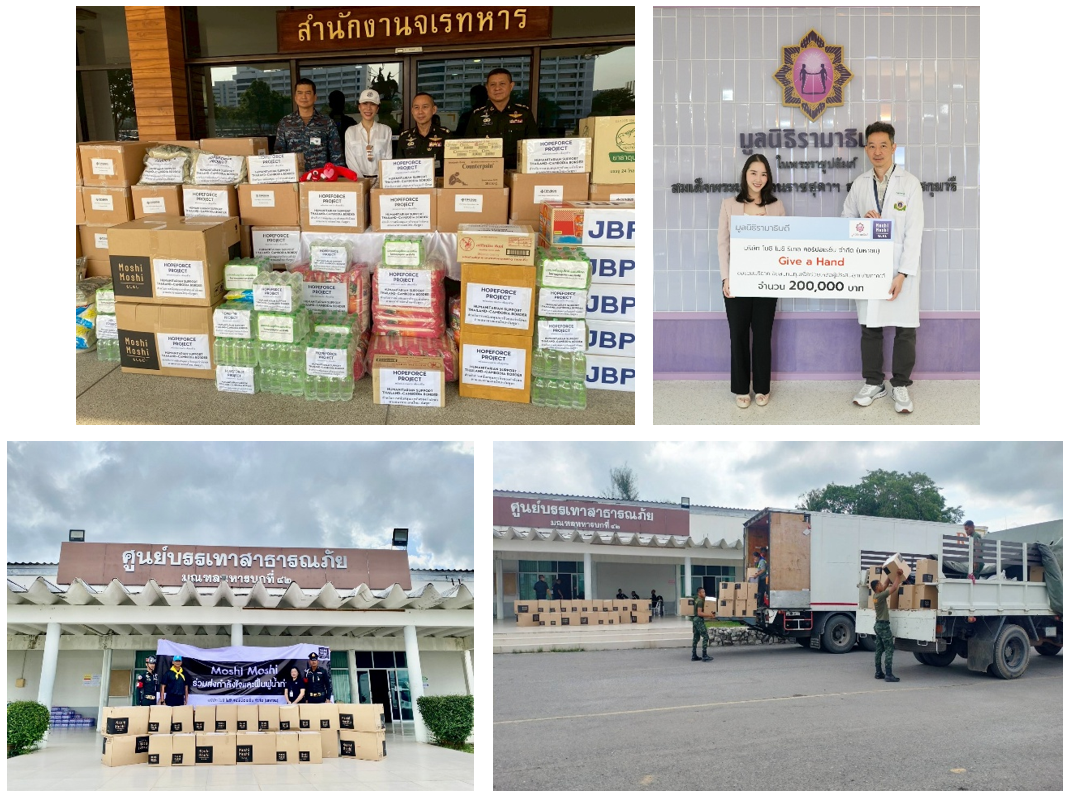
2. Give A Future: Scholarship Program for Employees’ Children
The Company implements the Scholarship Program for Employees’ Children under the Give a Future concept to support and promote educational opportunities for employees’ children who demonstrate good academic performance and conduct. The program aims to encourage children and youth to fully develop their potential and grow into capable individuals with quality opportunities for the future.
In addition, the program seeks to instill moral values, a sense of public responsibility, and awareness of social and environmental responsibility, encouraging young people to become valuable contributors to society in the future.
Implementation and Performance
In 2025, the Company awarded 16 scholarships to employees’ children on 18 June 2025, categorized as follows:
- Lower Primary School Level: 4 scholarships of 5,000 Baht each, totaling 20,000 Baht
- Upper Primary School Level: 4 scholarships of 5,000 Baht each, totaling 20,000 Baht
- Lower Secondary School Level: 4 scholarships of 6,000 Baht each, totaling 24,000 Baht
- Upper Secondary School Level: 4 scholarships of 8,000 Baht each, totaling 32,000 Baht
Scholarship recipients are required to perform five acts of good deeds related to social and environmental contributions and submit a report for evaluation prior to participating in the next scholarship selection process. In 2025, 100% of scholarship recipients successfully completed the required activities in accordance with the program’s criteria.
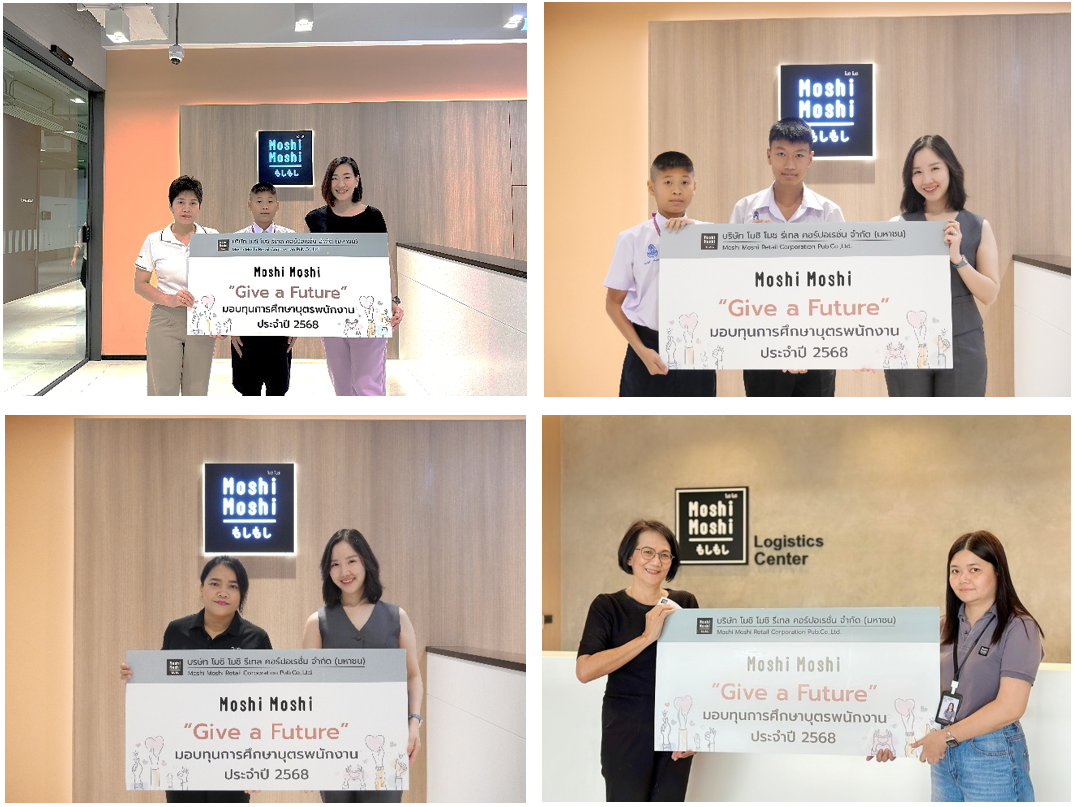
3. Give a Future: Educational Support for Teaching and Student Activities
The Company implements the Educational Support for Teaching and Student Activities Project under the Give a Future concept to promote educational opportunities and enhance the potential of children and youth so that they can grow to their fullest capabilities. The Company supports educational activities as well as various skill-building programs that enrich learning experiences in both academic knowledge and life skills.
The initiative aims to promote the holistic development of children and youth, while strengthening the foundation of knowledge and essential skills necessary for their future growth and self-development.
Implementation and Performance
The Company supported an educational activity grant for the Junior Film Show project organized by Ekkamai International School, totaling 10,000 Baht, to encourage learning and enhance students’ creative thinking skills through practical learning activities.

4. Give For life: One Donation, Many Lives
The Company, in collaboration with the National Blood Centre of the Thai Red Cross Society, organized the “One Donation, Many Lives” blood donation activity in 2025 on June 13, 2025 at the 2nd Floor Meeting Room, Om Yai Warehouse.
The activity was designed to allow employees to voluntarily donate blood during working hours without having to take leave. This policy aims to create a supportive mechanism that enables employees to easily participate in social contribution activities without concerns about time or income. It also reflects the Company’s commitment to fostering an organizational culture that emphasizes creating value for society.
The event received strong interest and participation from employees. Moshi Moshi aims to contribute to increasing blood donation channels for the National Blood Centre of the Thai Red Cross Society so that the donated blood can be used to assist patients who require blood for emergency situations or medical treatment, ultimately helping to save and sustain lives.
5. Give Back to Earth: Plastic Bottle Exchange for School Supplies Project
The Company implemented the Plastic Bottle Exchange for School Supplies Project under the Give Back to Earth concept to promote environmental awareness and proper waste management practices. The initiative aims to enhance understanding of plastic waste issues and their environmental impacts, while encouraging waste separation and resource recovery through recycling processes.
The project also promotes participation from communities and educational institutions in effective waste management. Students and community members are encouraged to collect plastic bottles and exchange them for school supplies, creating incentives to reduce plastic waste while fostering responsible resource consumption. This initiative contributes to generating positive long-term environmental impacts.
Implementation and Performance
The Company began planning and implementing the “Give Back to Earth” project in 2024 and aims to expand the program continuously, with a target of organizing at least two activities per year to promote youth participation in environmental conservation. In 2025, the Company conducted activities in collaboration with Wat Prasert Suttawas School and Wat Moly (Nantawimon) School, focusing on providing knowledge about waste separation and plastic recycling while encouraging students to return plastic bottles into the recycling system to create social and environmental benefits.
- Educational activities were organized for students at Wat Prasert Suttawas School, with a total of 95 students participating. The activity collected 1,110 plastic bottles, which were recycled into 74 monk robes. And Wat Moly (Nantawimon) School, a total of 123 students participated in the activity and collected 5,081 plastic bottles, which were recycled into 338 monk robes.
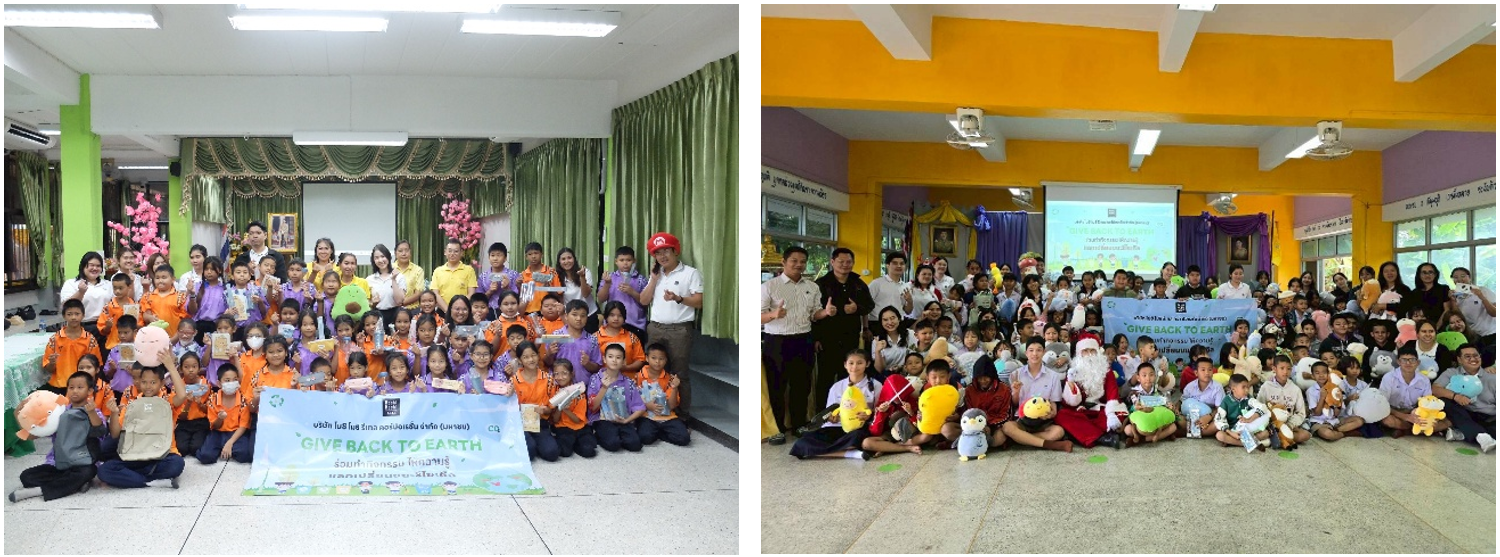
6. Give a Better Life: Community Livelihood Support Project
The Company has implemented the “Give a Better Life” project since 2023 to promote livelihood creation and increase income-generating opportunities for communities surrounding its business operations. The initiative aims to improve the quality of life of community members by enabling them to achieve sustainable self-reliance. The Company supports employment opportunities and assigns tasks that can be performed from home, while also providing necessary knowledge and skills for income generation. This initiative contributes to reducing inequality and strengthening the local community economy.
Implementation and Performance
- The Company supported employment opportunities for households located within a 5-kilometer radius of the Aomyai warehouse, by assigning tasks such as product labeling and product assembly.
- In 2025, a total of 67 households received support through the project.
As a result of the project’s implementation in 2025, the Company supported income generation for community households totaling THB 7,681,002.76 Baht, representing an increase of 63% compared with the 2023 baseline year.
The Company has set a target to increase the proportion of income generation support for local communities by not less than 5% from the 2023 baseline in the short term, with plans to expand support to 10% in the medium term and 20% in the long term. This reflects the Company’s commitment to continuously improving the quality of life and strengthening the surrounding communities.
The project helps create employment opportunities for local communities while promoting income distribution and strengthening the economic resilience of community households in a sustainable manner.
7. Give Happiness: Sharing Smiles, Sharing Kindness Project
The Company implements the “Sharing Smiles, Sharing Kindness” project under the Give Happiness concept to promote sharing and create educational opportunities for children and youth in remote areas or those lacking resources. The Company collects and donates essential items such as school supplies, stationery, and basic necessities to educational institutions and related organizations in order to help improve the quality of life of young people and reduce social inequality.
Implementation and Performance
In 2025, the Company supported education and youth development in local communities by donating school supplies, stationery, and essential items to 12 institutions, including schools in remote or under-resourced areas and related organizations, as follows:
- Donated 200 sets of educational materials and essential items to Wat Bang Prathun Nok School, Suksawat Road, Bang Pakok Subdistrict, Rat Burana District, Bangkok.
- Donated 75 sets of educational materials and essential items to Fuengfah Wittaya School, Bueng Kham Phroi Subdistrict, Lam Luk Ka District, Pathum Thani.
- Donated 390 sets of educational materials and essential items to Wat Yang Non School, Yang Non Subdistrict, Doem Bang Nang Buat District, Suphan Buri.
- Donated 390 sets of educational materials and essential items to Wat Nong Krot School, Khok Chang Subdistrict, Doem Bang Nang Buat District, Suphan Buri.
- Donated 180 sets of educational materials and essential items to Nong Prue Prachasawan School, Wang Yen Subdistrict, Plaeng Yao District, Chachoengsao.
- Donated 200 sets of educational materials and essential items to Bang Nam Chon School, Charoen Nakhon Road, Samre Subdistrict, Thon Buri District, Bangkok.
- Donated 200 sets of educational materials and essential items to Amphawa Recreation Center, Soi Charansanitwong 22, Ban Chang Lo Subdistrict, Bangkok Noi District, Bangkok.
- Donated 200 sets of educational materials and essential items to Baan Nokkamin Foundation, Seri Thai Soi 17, Seri Thai Road, Khlong Kum Subdistrict, Bueng Kum District, Bangkok.
- Donated 230 sets of educational materials and essential items to the Ministry of Higher Education, Science, Research and Innovation.
- Donated 200 sets of educational materials and essential items to the Om Yai Subdistrict Municipality Office.
- Donated 276 sets of educational materials and essential items to Salaya Fellowship Church to support learning and expand educational opportunities for students in the area.
- Donated 170 items to the Organ Donation Center, Thai Red Cross Society, to be used as souvenirs for individuals who pledged to donate organs and eyes under the organ donation awareness campaign covering 50 districts in Bangkok.
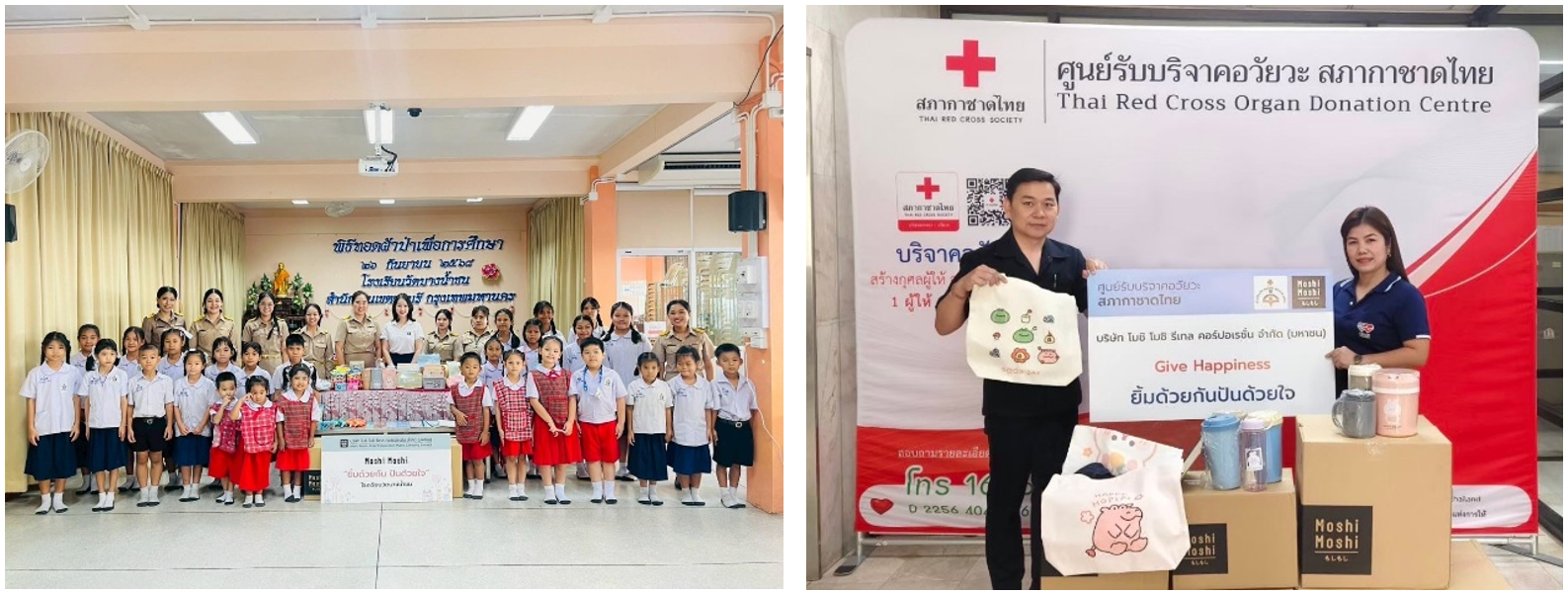
Toy to Joy Project
The Company implemented the “Give Happiness: Toy to Joy 2025” project to promote sharing and bring happiness to underprivileged children, while also supporting the efficient use of resources. The Company invited the public to donate plush toys in good condition to be delivered to children and youth in underprivileged communities. The initiative also helps extend the lifespan of toys and reduce waste.
As part of the project, the Company established two types of donation points: a pink donation box for plush toys from Moshi Moshi stores, and a blue donation box for plush toys from other brands. Donated toys were required to be in good condition, undamaged, and properly cleaned. In addition, the Company introduced a 1:1 matching policy, whereby for every one donated toy, the Company would contribute one new toy, thereby increasing the total number of toys distributed to children.
Implementation and Performance
The project collected a total of 509 toys, consisting of 495 toys from other brands and 14 toys from Moshi Moshi stores. The Company further contributed 509 new toys, resulting in a total of 1,018 toys being delivered to underprivileged children and youth.
The project helped promote public participation in resource sharing, encouraged efficient use of resources, and created tangible happiness for children in need.

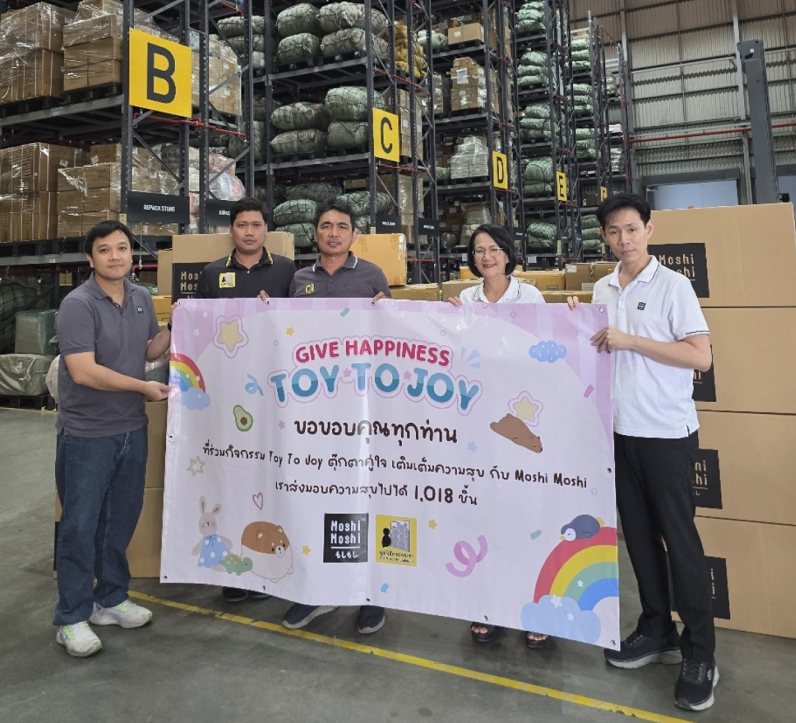
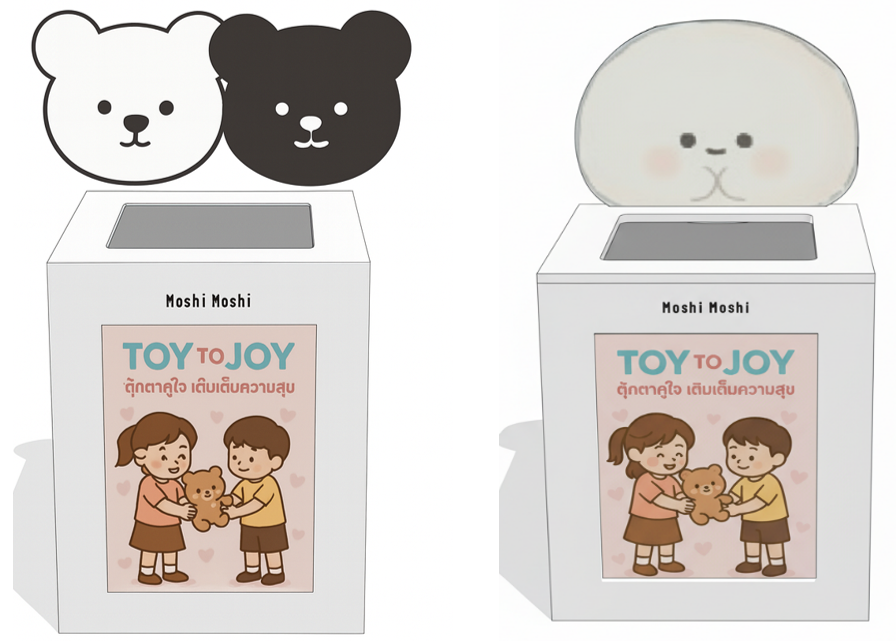
Other Social Management
Plan & Outcomes — Description
Supply Chain Management
Supply chain management has become a critical issue in modern business operations as the global business environment continues to change rapidly. Globalization and rapid technological advancements have intensified business competition. In addition, crises such as the COVID-19 pandemic have further highlighted the importance of having an effective supply chain management system to enhance flexibility and preparedness in responding to unexpected situations. Organizations must improve operational efficiency and reduce costs while responding to customer demands quickly. At the same time, sustainability has become increasingly important, driven by consumer expectations for environmentally responsible products and services as well as increasingly stringent environmental regulations.
Developing policies that emphasize the use of information technology, collaboration with partners, the development of a circular economy, and continuous improvement of operational processes is one approach organizations adopt to enhance efficiency and drive sustainable development through the reduction of environmental impacts. Supply chain management therefore plays an important role in both operational efficiency and the advancement of sustainability across all sectors.
The Company is committed to encouraging its suppliers to conduct business responsibly and in alignment with sustainable development principles. Suppliers are encouraged to comply with the Supplier Code of Conduct, which covers Environmental, Social, and Governance (ESG) practices. The Company has communicated this Code through various channels, including the Company’s website, to ensure that all suppliers have equal access to the information.
The Company also places importance on strengthening relationships with suppliers by fostering understanding of sustainability practices, supporting capability development, and encouraging the exchange of knowledge and best practices. Information on supplier assessments and compliance with the Code of Conduct is systematically collected and maintained to support decision-making and long-term business collaboration.
In addition, the Company has established Sustainable Supply Chain Management Guidelines as a framework for operations and training for relevant personnel, such as the Procurement and Product Development Department and the Purchasing Department. The guidelines aim to promote sustainability throughout the supply chain and enable the Company to proactively manage supplier relationships effectively. They emphasize supplier management based on sustainability principles and promote responsible and ethical business practices. This approach enables the Company to identify and assess potential sustainability risks arising from suppliers, develop appropriate mitigation measures, and ensure effective sustainability performance.
Sustainable Supply Chain Management Guidelines
Objective
These Guidelines aim to establish a responsible supply chain across Environmental, Social, and Governance (ESG) dimensions by setting expectations and practices for suppliers on key issues, including environmental management, energy management and climate change, water resource management, biodiversity protection, pollution prevention and control, respect for human rights and labor rights, support for local community development, ethical business conduct, and compliance with applicable laws and business ethics.
1. Supplier Segmentation by Strategic Importance
The Company categorizes suppliers into four tiers based on purchase value and product criticality as follows:
- Tier 1: Suppliers with annual purchase value exceeding 10 million baht and whose products cannot be substituted by other suppliers
- Tier 2: Suppliers with annual purchase value exceeding 10 million baht whose products are substitutable
- Tier 3: Suppliers with annual purchase value between 1-10 million baht
- Tier 4: Suppliers with annual purchase value not exceeding 1 million baht
Tier 1 suppliers are required to formally acknowledge and strictly comply with the Supplier Code of Conduct before the implementation is progressively extended to other supplier tiers based on priority.
2. Environmental Dimension
2.1 Energy Management and Climate Change
Suppliers are expected to implement effective energy management plans, establish greenhouse gas reduction initiatives, monitor and report greenhouse gas emissions across relevant scopes, and adopt clean energy where feasible.
2.2 Water Resources and Pollution Management
Suppliers must strictly comply with applicable regulations regarding wastewater management, air pollution, noise control, and hazardous waste management. They should promote efficient water usage and implement wastewater treatment systems to mitigate environmental impacts.
2.3 Resource and Waste Management
Suppliers should adopt measures to ensure efficient resource utilization, select environmentally friendly raw materials, minimize waste generation, and promote reuse or recycling.
2.4 Biodiversity
Suppliers operating in areas that may impact biodiversity should implement preventive measures and appropriate biodiversity protection plans.
3. Social Dimension
3.1 Human Rights and Fundamental Labor Rights
3.1.1 Prevention of Child Labor
Suppliers must comply with local laws prohibiting child labor and implement clear policies banning child labor in all forms.
3.1.2 Prevention of Forced Labor
Suppliers must comply with laws prohibiting forced labor and establish clear policies against forced labor, human trafficking, or involuntary employment practices, including the confiscation of employee identity documents.
3.1.3 Non-Discrimination and Equality
Suppliers must comply with applicable laws regarding non-discrimination and maintain policies promoting equal opportunity regardless of race, religion, gender, age, disability, or other status.
3.1.4 Freedom of Association and Collective Bargaining
Suppliers must respect applicable laws concerning freedom of association and the right to collective bargaining and support employees' rights to organize and negotiate peacefully.
3.1.5 Working Hours and Compensation
Suppliers must comply with applicable laws governing wages and working hours. Compensation must not be lower than statutory minimum wage and should be sufficient to support a decent standard of living.
3.1.6 Occupational Health and Safety
Suppliers must comply with occupational health and safety laws and provide safe working environments, safety training, and accident management systems.
3.2 International Human Rights Principles
The Company is committed to implementing the UN Guiding Principles on Business and Human Rights (UNGPs) and the OECD Guidelines for Multinational Enterprises, and expects suppliers to respect and support internationally recognized human rights standards.
3.3 Children's Rights
The Company supports children's rights in its operations and initiatives and commits to the Children's Rights and Business Principles, including measures to prevent child labor throughout the supply chain.
3.4 Community Development and Local Employment
The Company promotes community investment aligned with its business strategy and supports local employment and local procurement where feasible to generate benefits for communities surrounding its operations. Financial contributions to communities and non-profit organizations are disclosed in the Annual Registration Statement / Annual Report (Form 56-1 One Report).
3.5 Volunteerism
The Company encourages employees and suppliers to participate in volunteer activities and charitable initiatives through structured mechanisms and support systems.
4. Governance Dimension
4.1 Business Ethics and Anti-Corruption
Suppliers should conduct business with integrity and transparency, implement anti-corruption and anti-bribery policies, avoid involvement in money laundering, and maintain ethical business practices.
4.2 Compliance with Laws and Regulations
Suppliers must comply with all applicable laws and regulations in the jurisdictions where they operate, including labor laws, environmental regulations, tax laws, and competition laws.
4.3 Data Management and Cybersecurity
Suppliers should maintain appropriate data management systems, ensure protection of personal and business data, and implement cybersecurity measures to address potential cyber threats.
5. Risk Assessment and Management
5.1 New Supplier Assessment
The Company conducts ESG due diligence for new suppliers prior to selection. Tier 1 suppliers are subject to the most comprehensive assessments, including legal compliance history, human rights management, and the capability to meet the Company’s requirements.
5.2 Existing Supplier Assessment
The Company continuously evaluates ESG risks of existing suppliers and classifies them into high, medium, and low risk categories, in combination with supplier tier classification. Assessments are reviewed annually.
6. Implementation and Support
6.1 Communication and Integration
The Company publishes its ESG supplier guidelines on its official website and in the Form 56-1 One Report in both Thai and English. These guidelines form part of the Company’s procurement policy and may be incorporated into supplier contracts.
6.2 Training for Employees and Suppliers
The Company provides training on social and human rights policies for procurement personnel and facilitates knowledge-sharing activities with Tier 1 suppliers, including mentoring and sharing best practices.
6.3 Reporting and Monitoring
The Company conducts annual ESG performance evaluations of suppliers. Tier 1 suppliers receive closer monitoring, and suppliers may be required to provide additional documents or information for assessment when necessary.
7. Audit and Enforcement
7.1 Monitoring and Physical Inspection
The Company implements systematic physical inspection audits of suppliers, prioritizing based on supplier tier and risk level. The number of audited suppliers is disclosed annually.
7.2 Audit Results and Actions
Audit findings are disclosed transparently. If no issues are identified, the Company reports that no concerns were found. If issues are identified, specific corrective actions are implemented.
7.3 Corrective Measures
The Company will monitor and establish timelines for suppliers to address identified issues requiring improvement or operational development to ensure proper business practices. Minor non-conformities must be corrected within 30 days, while major non-conformities must be rectified within 90 days. If a supplier fails to take action to improve or develop its operations in response to the identified issues, the Company reserves the right to consider and implement appropriate measures with respect to the supplier in order to resolve such matters.
8. Industry Engagement
8.1 Participation in Industry Initiatives
The Company is committed to participating in sustainability collaboration initiatives at the industry level and contributing to the development of industry standards and best practices.
8.2 Membership in Sustainability and Supply Chain Initiatives
The Company intends to participate in and become a member of national and international organizations related to sustainability and human rights. It will also consider joining as a signatory or member of recognized supply chain–related initiatives and collaborations, such as the Ethical Trading Initiative (ETI), Global e-Sustainability Initiative (GeSI), and Supplier Ethical Data Exchange (Sedex), or other initiatives deemed appropriate to the Company’s business context.
Upon joining such initiatives, the Company will strictly comply with their principles and guidelines, actively participate in relevant activities, and report progress in accordance with the commitments undertaken. In addition, the Company may consider appointing directors or senior executives to participate in governance roles or serve on the boards of such organizations where appropriate.
9. Communication and Implementation
9.1 Communicating Expectations
The Company clearly communicates expectations regarding respect for human rights to all stakeholders, including business partners and suppliers.
9.2 Documentation and Application
The Company records stakeholder engagement outcomes and reports how feedback is used to improve operational practices, ensuring continuous improvement.
10. Disclosure and Review
10.1 Performance Reporting
The Company transparently discloses sustainability and human rights performance, including any human rights incidents within the supply chain or a statement confirming that no such incidents occurred during the reporting period. Contributions to communities and non-profit organizations are disclosed in the Form 56-1 One Report.
10.2 Review and Continuous Improvement
These Guidelines are reviewed annually to ensure alignment with evolving laws, international standards, and business conditions. The review covers operational effectiveness, supplier audit results, and emerging sustainability standards.
Note: These Guidelines serve as a framework for the evaluation, selection, and management of supplier relationships and may be incorporated into procurement contracts to ensure alignment with ESG principles and internationally recognized human rights and labor standards across the Company’s supply chain.
Operational Targets
Short-term Targets (1-2 Years)
1. 100% of Tier 1 and Tier 2 suppliers must acknowledge and sign the Supplier Code of Conduct.
2. All new suppliers must pass the ESG assessment criteria, including:
- No violations of environmental laws or social regulations
- An initial supplier assessment score of not less than 50%
- An ESG assessment score of not less than 60%
3. 60% of domestic Tier 3 suppliers must acknowledge and sign the Supplier Code of Conduct.
4. 100% of domestic suppliers must have no violations of environmental laws.
Medium-term Targets (3-5 Years)
1. 100% of Tier 1 and Tier 2 suppliers must acknowledge and sign the Supplier Code of Conduct, and 60% of domestic Tier 4 suppliers must also acknowledge and sign the Code.
2. All suppliers must meet ESG assessment requirements, including:
- No violations of environmental or social laws
- An initial supplier assessment score of not less than 50%
- An ESG assessment score of not less than 60%
3. 80% of domestic Tier 1 suppliers will undergo onsite ESG audits by 2027.
Long-term Targets (More than 5 Years)
1. 100% of both domestic and international suppliers must have no violations of environmental or social laws.
2. Achieve 30% of total annual procurement value from companies located in Thailand for products intended for sale.
3. Establish a fully sustainable supply chain.
4. Develop strategic collaboration with suppliers to drive sustainability innovation within the supply chain.
Operating Results in 2025
The Company has integrated sustainability principles into its supply chain management by placing strong emphasis on careful supplier screening. Therefore, the Company has developed a preliminary supplier assessment system with clearly defined evaluation criteria. Risk assessments are conducted regularly for both new suppliers (New Suppliers) and existing suppliers (Existing Suppliers), based on two key factors: 1) Business Relevance, which considers the value of transactions and the importance or non-substitutability of the products; and 2) Sustainability-related risk (ESG Risk), which evaluates risks across the Environmental, Social, and Governance (ESG) dimensions. The Company requires suppliers to achieve a total score of not less than 50% and an ESG Risk score of more than 60%. The Company will assess domestic suppliers according to these criteria in order to classify them into 4 tiers based on their level of business importance.
In 2025, the Company identified 3 Tier 1 suppliers, 14 Tier 2 suppliers, 60 Tier 3 suppliers, and 74 Tier 4 suppliers.
The Company successfully implemented its Sustainable Supply Chain Management Policy, with 100% of domestic Tier 1 suppliers acknowledging and signing the Supplier Code of Conduct. In addition, 42 new suppliers formally acknowledged and committed to complying with the Supplier Code of Conduct. This achievement reflects the Company’s effective value chain management and its ability to build strong and sustainable partnerships with suppliers.
Regarding supplier performance evaluation, the Company continuously monitors and reviews compliance with the Supplier Code of Conduct to ensure that suppliers address and improve any identified deficiencies. The Company also encourages suppliers to report ESG impact management information and supports them in implementing measures to mitigate such impacts. Throughout 2025, all 151 suppliers of the Company successfully met both operational and sustainability assessment criteria. No supplier scored below the established threshold, and no cases of violations or risks related to social or environmental laws were identified.
Furthermore, the Company’s Tier 1 supplier, which manufactures products using intellectual property owned or controlled by The Walt Disney Company, has undergone audits in accordance with Disney’s International Labor Standards (ILS). Suppliers are required to comply with The Walt Disney Company’s Code of Conduct and the Supply Chain Code of Conduct, which cover ESG dimensions including environmental, social, and governance aspects. These suppliers are subject to annual Physical Inspection Audits conducted by internationally accredited organizations to continuously monitor and evaluate their operations. In addition, the supplier’s facilities are certified under ISO 14001 Environmental Management System standards and have also undergone SEDEX: SMETA audits, which cover both environmental and social compliance assessments.
Key Project in 2025
1. Supplier Code of Conduct Training and Communication Program
In 2025, the Company implemented the Supplier Code of Conduct Training and Communication Program with the objective of promoting knowledge and understanding of ethical business practices among suppliers. The program covers key Environmental, Social, and Governance (ESG) principles and encourages the exchange of knowledge and best practices between the Company and its suppliers. The initiative also aims to raise awareness of compliance with relevant laws and ethical business standards, while strengthening sustainable relationships with suppliers based on fairness and transparency. This approach helps prevent corruption and unfair business practices within the supply chain.
Implementation and Results
The program consisted of three main activities:
1. Preparation of the Supplier Code of Conduct Handbook, which clearly and comprehensively compiles ethical guidelines to serve as a reference framework for conducting business together.
2. Systematic internal communication to foster shared understanding and awareness among employees at all levels regarding the policies and practices related to the Supplier Code of Conduct.
3. The organization of seminars and practical training workshops aimed at enhancing knowledge of ethical principles and appropriate practices for conducting business.
The comprehensive and effective implementation of these activities has contributed to the successful achievement of the program’s objectives. All Tier 1 suppliers and 42 new suppliers have signed the Supplier Code of Conduct.
The project outcomes demonstrate tangible success. The seminars and training sessions received strong participation from supplier representatives through both online channels and on-site training. As a result, suppliers gained deeper knowledge and understanding of the importance of ethical business conduct, contributing to the development of sustainable business relationships and long-term credibility. The success of the program is clearly reflected in the fact that all domestic Tier 1 suppliers have fully signed the Supplier Code of Conduct, and in 2025 the initiative was further expanded to domestic Tier 2 suppliers, achieving 100% signatory participation.
Law Violation Incidents
Introduction
The Company places great importance on respecting human rights as a fundamental foundation of its business operations. It adheres to a Zero Tolerance policy toward all forms of human rights violations and has set a target of zero cases of human rights violations and labor law violations in both the short to medium term (1-5 years) and the long term (more than 5 years). This target covers all forms of violations, including cases reported or flagged by government authorities or external organizations such as non-governmental organizations (NGOs), as well as cases involving fines or legal disputes related to labor law violations. In the long term, the Company has further strengthened its commitment to workplace safety by setting a target of zero workplace accidents, which is considered part of protecting employees’ fundamental right to work in a safe environment and is regarded as a non-negotiable principle under any circumstances.
In addition, the Company provides opportunities for all relevant stakeholders to express opinions and submit complaints. The Company has established a Whistleblowing Policy to ensure that its operations are conducted responsibly and in compliance with applicable laws, regulations, the Code of Conduct, anti-corruption policies, and international human rights principles. Stakeholders may provide feedback or report complaints to relevant persons or departments in cases of legal or regulatory violations, corruption, human rights violations, unfair labor practices, bullying, or harassment through the following channels:
1. In the case where the reported person is an individual holding a position below the Chief Executive Officer
Report to the Executive Committee through the Chief Executive Officer via the following reporting channels:
1) Email: moshiwhistleblower@moshimoshi.co.th
2) By mail to: Executive Committee, Moshi Moshi Retail Corporation Public Company Limited
Address: 129 The Mall Thapra Building, 9th Floor, Ratchadaphisek Road, Bukkhalo, Thon Buri,
Bangkok 10600
3) Website: www.moshimoshi.co.th
2. In the case where the reported person is an individual holding a position at the level of Chief Executive Officer or higher
Report to the Audit Committee through the Chairman of the Audit Committee via the following reporting channels:
1) Email: ac@moshimoshi.co.th
2) By mail to: Chairman of the Audit Committee, Moshi Moshi Retail Corporation Public Company Limited
Address: 129 The Mall Thapra Building, 9th Floor, Ratchadaphisek Road, Bukkhalo, Thon Buri,
Bangkok 10600
3) Website: www.moshimoshi.co.th
In this regard, if the Company causes or contributes to human rights impacts, it will establish appropriate measures to remedy and provide redress to affected persons, while ensuring suitable protection and confidentiality of the complainant’s information.
In addition, the Company provides training for employees at all levels, with content covering the Whistleblowing Policy. The training provides knowledge on eligible complainants, types of reportable matters such as legal violations, corruption, and human rights violations, as well as situations involving workplace bullying or harassment. It also covers the available reporting channels in order to promote employees’ understanding and enable them to appropriately utilize such mechanisms.
The Company also continuously assesses human rights impacts as part of its core business processes. The objective is to disclose the Company’s actions in avoiding, preventing, and appropriately mitigating human rights issues.
Number of Incidents — Introduction
The Company has established complaint channels under the Whistleblowing Policy to receive reports related to violations of laws or regulations, including human rights issues. All complaints are subject to review by the relevant internal departments.
In 2025, the Company received a total of 10 complaints from consumers. These cases were reported directly by customers at store locations. Most complaints were related to operational matters, such as incorrect price labeling or discrepancies between the price displayed on the shelf and the price charged at checkout, as well as cases where product prices had been reduced but the price charged to customers remained unchanged. The Company promptly resolved these issues for the customers and has strengthened the relevant operational procedures to prevent similar incidents.
The 10 complaints did not have a material impact on the Company. The matters were duly reported to the Corporate Governance and Sustainability Committee for acknowledgment.
Law Violation Incidents
| Metric | Current Year | Previous Year | Two Years Ago |
|---|---|---|---|
| The total number of cases or incidents of significant violations of laws or regulations regarding social and human rights (Cases) | 0 | 0 | 0 |
| The total number of cases or incidents that cause significant labor disputes (Cases) | 0 | 0 | 0 |
| The total number of cases or complaints related to consumer rights violations (Cases) | 0 | 0 | 0 |
| The total number of cases or complaints related to partner rights violations (Cases) | 0 | 0 | 0 |
| The total number of cases or incidents that cause disputes with the community/society (Cases) | 0 | 0 | 0 |
| The total number of cases or incidents related to cyber security or customer data breaches (Cases) | 0 | 0 | 0 |
| The total number of cases or incidents related to safety and occupational health at work (Cases) | 0 | 0 | 0 |