

Business Operation · 2025
In this section21 topics
- Corporate Information4 items
- Dividend Policy2 items
- Major Shareholders2 items
- Business Strategies Overview6 items
- Material Changes & Developments2 items
- Use of Proceeds from Securities Offerings1 item
- Commitments Made in the Registration Statement1 item
- Group Operating-Structure Policy1 item
- Shareholders with Potential Conflict of Interest1 item
- Relationships Among Major Shareholders1 item
- Shareholders' Agreement1 item
- Shareholding Diagram (Group Structure)1 item
- Income Structure4 items
- Product / Service Characteristics3 items
- Research & Development7 items
- Assets Used in the Business6 items
- Marketing Policy & Competition3 items
- Procurement of Products & Services7 items
- Projects Under Construction1 item
- Debentures & Bills of Exchange1 item
- Convertible Securities1 item
Corporate Information
Company Name
Moshi Moshi Retail Corporation Public Company Limited
Telephone
0-2891-3088
Website
www.moshimoshi.co.th
ir@moshimoshi.co.th
Dividend Policy
Dividend Policy
The Company has a policy to pay dividends to shareholders at a rate of not less than 40 percent of the net profit from the Company's separate financial statements, after deducting corporate income tax and allocating all types of legal reserves as stipulated by law and the Company's articles of association. However, the dividend payment may be less than the aforementioned rate, taking into account various factors such as economic conditions, the Company's operating results and financial position, cash flow, working capital, investment plans and business expansion, debt obligations, conditions and restrictions specified in loan agreements, and other appropriate considerations, which the Board of Directors will carefully review.
The annual dividend payment must be approved by the shareholders' meeting, except for interim dividend payments, which the Board of Directors may approve from time to time when it deems that the Company has sufficient profit to do so. The Company will report such dividend payments to the shareholders' meeting at the next meeting. The Company's dividend payments must not contravene or conflict with the law and the Company's articles of association, and must be approved and executed by the shareholders/Board of Directors.
Historical Dividend Payments
| This Year | Last Year | 2 Years Ago | Metric | Description | Remark |
|---|---|---|---|---|---|
| 2.03 | 1.58 | 1.05 | Net profit per share (Baht : Share) | Net profit per share (baht : share) | |
| 1.22 | 0.8 | 0.6 | Dividend per share (Baht : Share) | Dividend per share (baht : share) | |
| 0 | 0 | 0 | Dividend stock ratio (Number of original shares: dividend shares) | Ratio of stock dividend payment (existing share : stock dividend) | |
| 0 | 0 | 0 | Dividend share value per share (Baht : Share) | Value of stock dividend per share (baht : share) | |
| 1.22 | 0.8 | 0.6 | Total dividend payment value (Baht : Share) | Total dividend payment (baht : share) | |
| 60.07 | 50.7 | 51.02 | Dividend payout ratio to net profit (%) | Dividend payout ratio compared to net profit (%) | The figure for 2024 represents the amount prior to the adjustment resulting from the change in accounting policy, while the figure for 2025 remains subject to uncertainty until it is approved by the 2026 Annual General Meeting of Shareholders. |
Business Strategies Overview
Introduction
The Board of Directors has reviewed and approved the Company's vision, mission, and strategic plan to ensure that management and employees share common goals. The Company will conduct its business to maximize benefits for shareholders and all stakeholders.
Furthermore, the Company regularly monitors its operations to ensure alignment with the strategic plan by consistently comparing actual performance against established strategic objectives.
Chairman's Message
Dear Shareholders and Stakeholders,
The year 2025 marked a year that demonstrated the resilience and potential of Moshi Moshi Retail Corporation Public Company Limited amid a Thai economic environment that expanded by only 2.4%, slowing from 2.9% in the previous year. This slowdown was influenced by high household debt and constrained consumer purchasing power. At the same time, the lifestyle retail industry faced intensified competition from the rapid expansion of international brands entering the Thai market.
Nevertheless, with a clear vision and a deep understanding of increasingly cautious consumer spending behavior, the Company has implemented strategies focused on developing quality products at accessible price points, coupled with disciplined cost management and the enhancement of in-store customer experiences to differentiate itself from competitors. These strategies have laid a solid foundation for strengthening the Company’s business operations.
Through effective management and well-executed strategies, the Company achieved performance growth that outpaced the overall economic environment in 2025. The Company reported total operating revenue of THB 3,664.35 million, representing an increase of 17.8%. Same-Store Sales Growth (SSSG) was 7.0%, while net profit reached THB 670.22 million, growing by 28.7%. During the year, the Company opened 38 new branches, bringing the total number of branches to 202, covering 68 provinces nationwide. In addition, more than 10,000 new products were launched. These achievements reflect the Company’s capability in operations and management to continuously create value for shareholders and investors.
Beyond strong financial performance, the Company also places significant emphasis on environmental, social, and governance (ESG) sustainability. In 2025, the Company received a SET ESG Ratings score of AA, a Corporate Governance Report (CGR) rating of “Excellent” (5 stars) for the second consecutive year from the Thai Institute of Directors Association (IOD), and a perfect score of 100 in the Annual General Meeting (AGM) quality assessment. Furthermore, the Company was certified as a member of the Thai Private Sector Collective Action Against Corruption (CAC). These recognitions reflect the Company’s commitment to conducting business based on strong corporate governance, transparency, accountability, and consideration of all stakeholders.
In 2026, although the Thai economy continues to face uncertainties from global trade volatility and geopolitical conflicts in several regions, as well as cautious domestic consumer spending, the Company remains confident that with its strong management, strategic agility, and ability to adapt quickly—together with its solid operational foundation, nationwide branch network, loyal customer base, and accurate and efficient product and data management systems—the Company will be able to sustain strong and continuous growth, as demonstrated in 2025.
On behalf of the Board of Directors, we would like to express our sincere appreciation to our shareholders, customers, and business partners for their continued trust and support. Including all employees for their dedication and commitment. Every one of you is a vital force driving the Company’s sustainable growth. The Company remains committed to conducting business with transparency and responsibility, while creating sustainable value for shareholders and all stakeholders, and will continue to strengthen and develop the organization for long-term sustainable growth.
Vision
The Company's business vision is “To deliver happiness by creating products with excellent design.”
Objectives
The Company's primary mission is “To offer quality lifestyle products at affordable prices to consumers, by focusing on product development, data-driven operations, and building sustainable relationships with stakeholders.”
Goals
Achieving top-of-mind brand status among customers in the lifestyle and gift shop segment, by offering high-quality products with outstanding design at an accessible and valuable price for consumers.
Business Strategies
The Company employs diverse strategies to enhance its capabilities and expand its business. Financial liquidity and capital structure are therefore crucial for business operations. The Company manages liquidity appropriately to ensure sufficient cash flow for operations under normal circumstances and to support future investment expansion, as well as considering a Capital Structure that aligns with the Company's growth strategy, as detailed below:
(a) Enhance capabilities and expand the business network to cover potential locations across Thailand.
The Company continuously focuses on expanding its branch network and strategically selecting locations. In 2025, there will be a total of 202 branches covering Bangkok, its vicinity, and various provinces with market potential. Branch expansion is carried out through opening stores in department stores, community malls, hypermarkets, local department stores, and Standalone branches located near universities and community areas. The team considers key factors in selecting locations, including area size, pedestrian traffic density, and the prominence of the location, while also analyzing sales data to adjust products to align with consumer behavior and needs in each area.
According to the Modern Retail Business Trend Analysis Report by the Thai Retailers Association (TRA), Euromonitor, and Krungsri Research, the modern retail sector is projected to experience continuous growth during 2024-2026. Department stores are expected to grow at a rate of 4.0-5.0%, discount stores and hypermarkets at 2.0-3.0%, supermarkets are projected to have the highest growth at 6.5-7.0%, and convenience stores are expected to grow at 5.0-5.5%. This reflects the continuous recovery and expansion of the retail business sector in Thailand, with an overall projected growth rate of 5.0-5.5%.
Additionally, the Company has developed new business models through the opening of Standalone branches, focusing on locations in educational institutions and universities. By the end of In 2025, there will be a total of 7 branches. and received satisfactory feedback from customers. Following this success, the Company plans to further expand its Standalone branch format by selecting locations that can effectively reach target customer groups, covering educational institutions, residential areas, communities, and potential suburban areas, as well as provinces in various regions with sufficient market demand for business expansion. By the end of 2025, the Company will have 5 Standalone branches located in community areas.
(b) Committed to product development to keep pace with rapidly changing target group demands and to increase Same Store Sales Growth (SSSG).
The Company continuously sources and develops new products, with a plan to introduce and enhance more than 12,000 SKUs per year to drive sustainable growth in its retail business. The Company adopts a Continuous Product Refresh strategy, with the primary objective of encouraging customers to “revisit stores” and delivering a fresh experience on every visit.
Maintaining a constant rotation of new products helps create a sense of discovery, which is a key factor in stimulating customer excitement and increasing store traffic. This is particularly relevant for lifestyle and trend-driven product categories, where consumer behavior is characterized by a continuous demand for novelty.
The Continuous Product Refresh strategy is not merely about increasing the number of SKUs; rather, it serves as a critical mechanism to “create store dynamism” and “provide customers with a reason to return,” both of which are fundamental drivers of growth in the retail business.
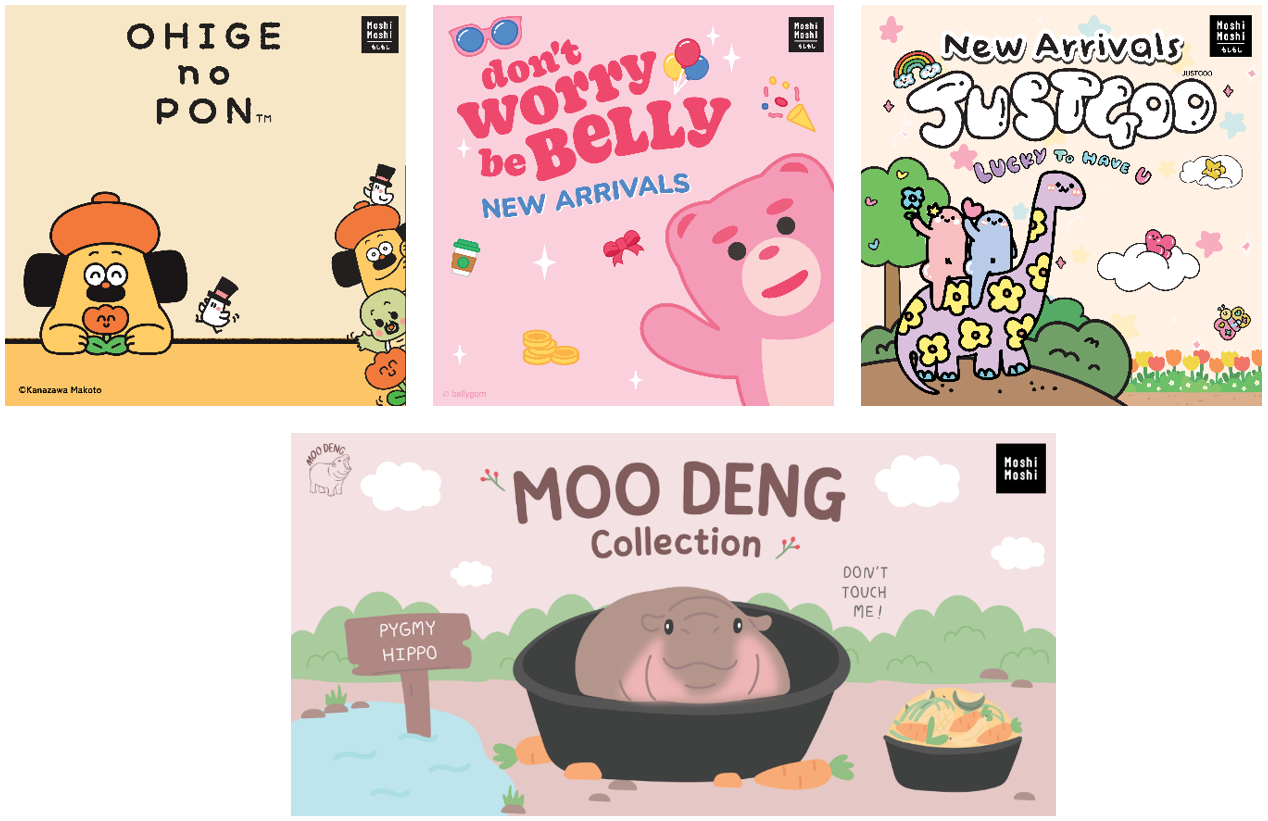
The Company continuously prioritizes developing customer experience by designing the product browsing journey (Customer Journey) to align with current consumer behavior and expectations. By 2025, the Company will continue to focus on creating a modern, fresh, and stimulating in-store atmosphere that encourages customers to explore products across various zones more thoroughly and enjoyably.
In addition to decorating stores for major festivals with distinctive colors and elements, such as summer, back-to-school season, Halloween, and Christmas, the Company also allocates space for photo corners (Photo Spot) to encourage customers to share their experiences via social media, which effectively expands brand awareness widely without the need for additional additional marketing budget.
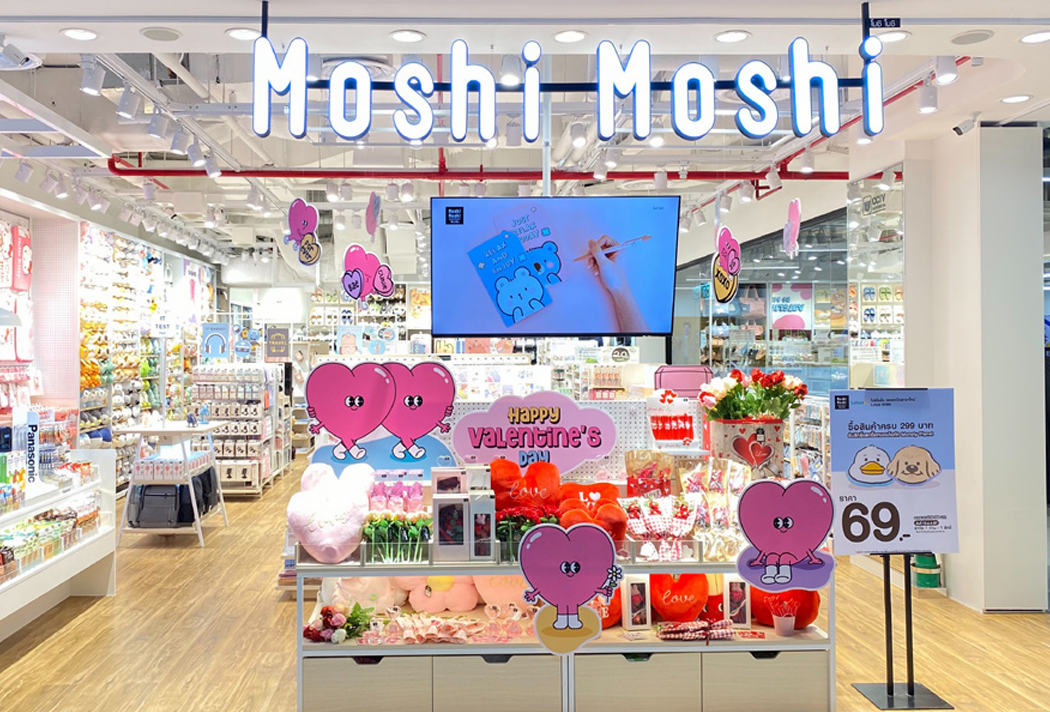
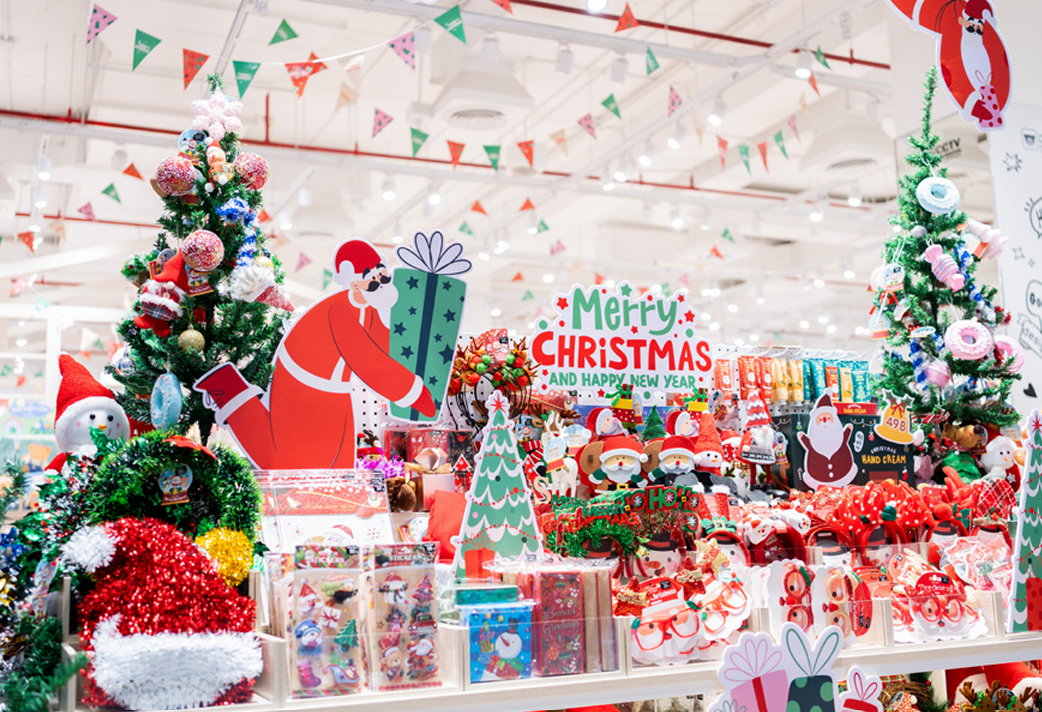
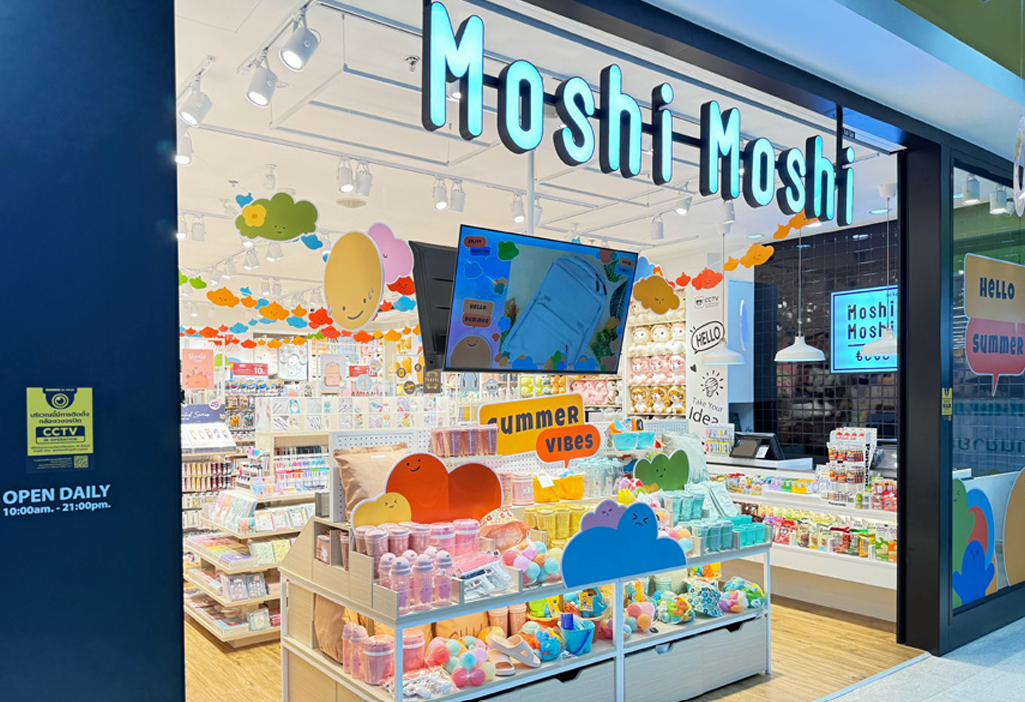
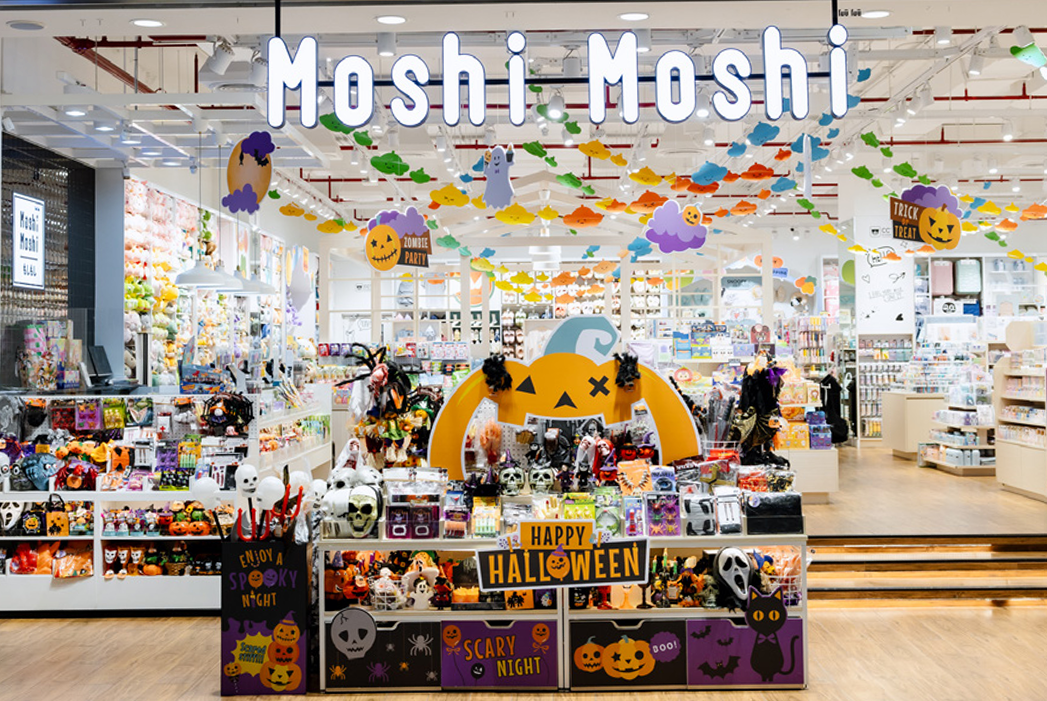
Regarding store structure, the Company has renovated and expanded some branches to be more modern and accommodate a wider variety of product presentations. In 2025, the Company has undertaken improvements to stores totaling 6 branches to enhance its image, convenience in selection, and increase product display areas that meet customer needs in each location. These improvements help increase customer traffic and average transaction value (Basket Size), as well as elevate overall sales efficiency. The Company believes that comprehensive customer journey development, encompassing experience, product presentation, and in-store atmosphere, will be a crucial factor in fostering long-term customer satisfaction and loyalty.
(d) Increase brand awareness and boost sales through effective marketing.
In 2025, the Company continues to prioritize building brand awareness and increasing sales through diverse marketing strategies aligned with consumer behavior. This focuses on expanding the new customer base while maintaining current customer engagement through experiential activities and effective online content.
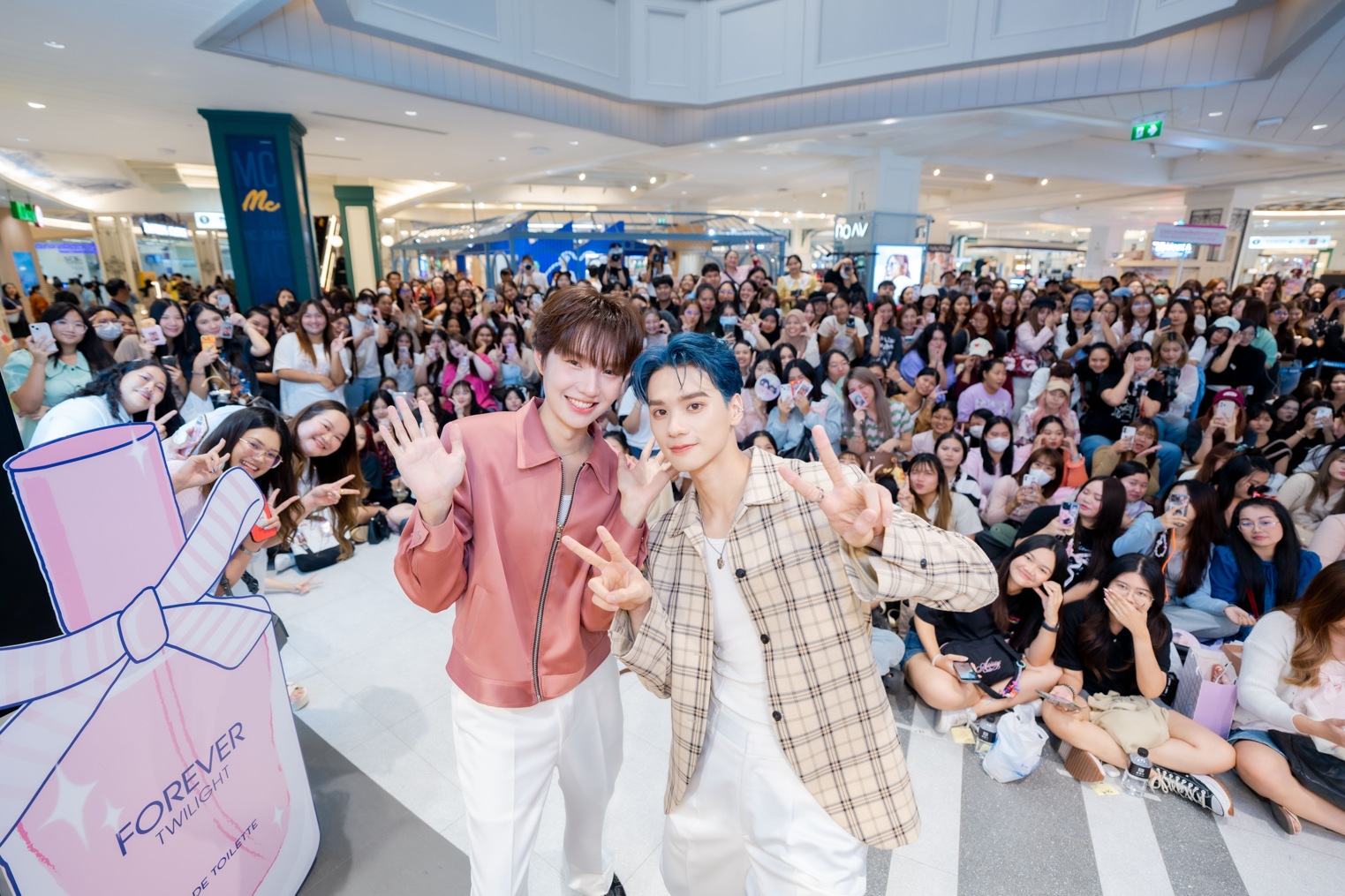
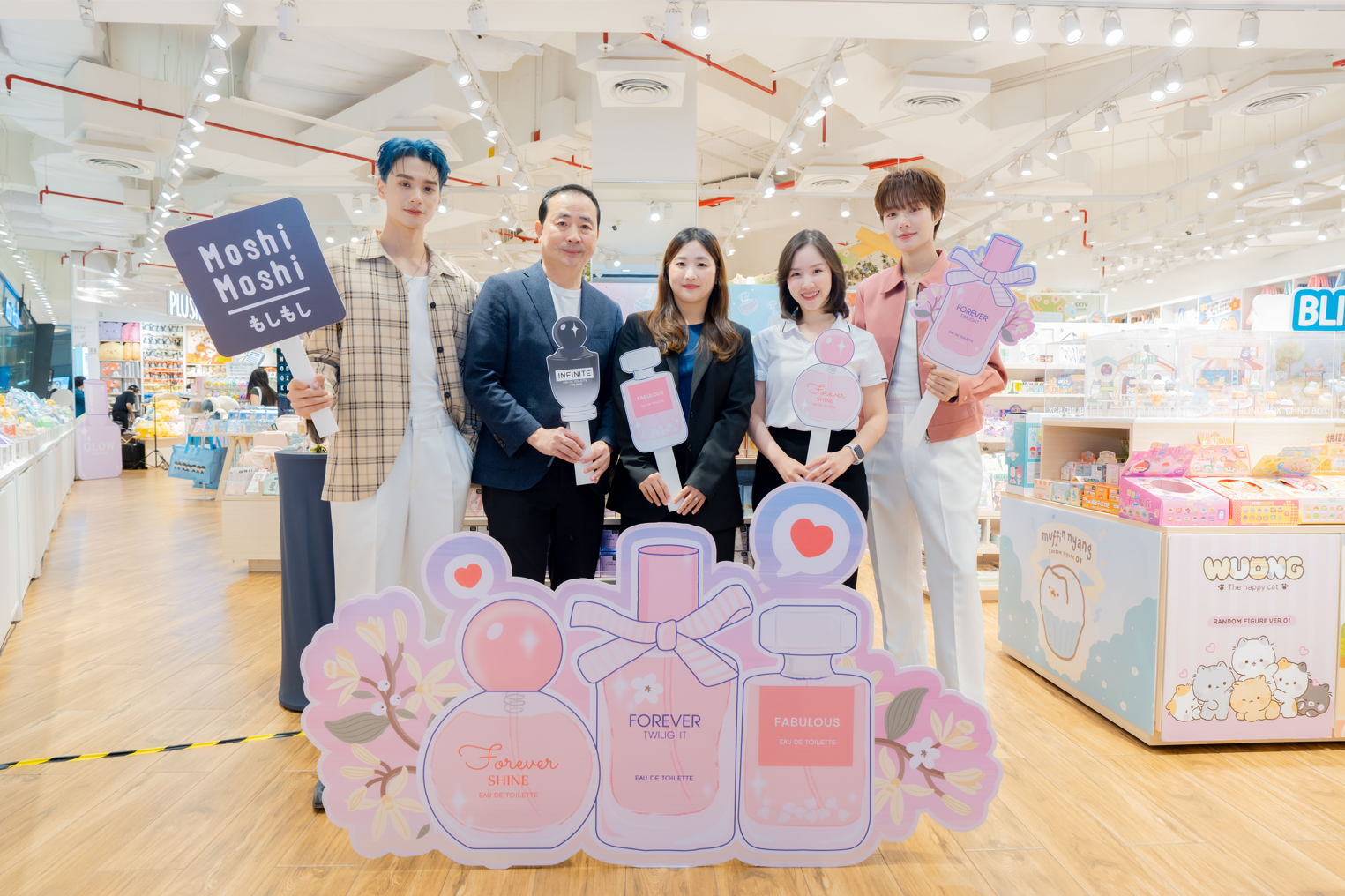
The Company uses social media as a primary communication channel, developing engaging content such as product reviews, usage examples, and behind-the-scenes collection stories to align with the interests of customers across different age groups. This also includes utilizing famous influencers or Key Opinion Leaders (KOLs) to effectively reach target customer segments. Furthermore, the Company collaborates with online personalities and celebrities to increase reach and engagement with the brand. In May 2025, the Company organized a "Lucky Fan" event, inviting "Keng-Namping," actors from the series "Khemjira's Rescue", to promote Moshi Moshi's perfume products, aiming to attract their fan base and stimulate widespread awareness.
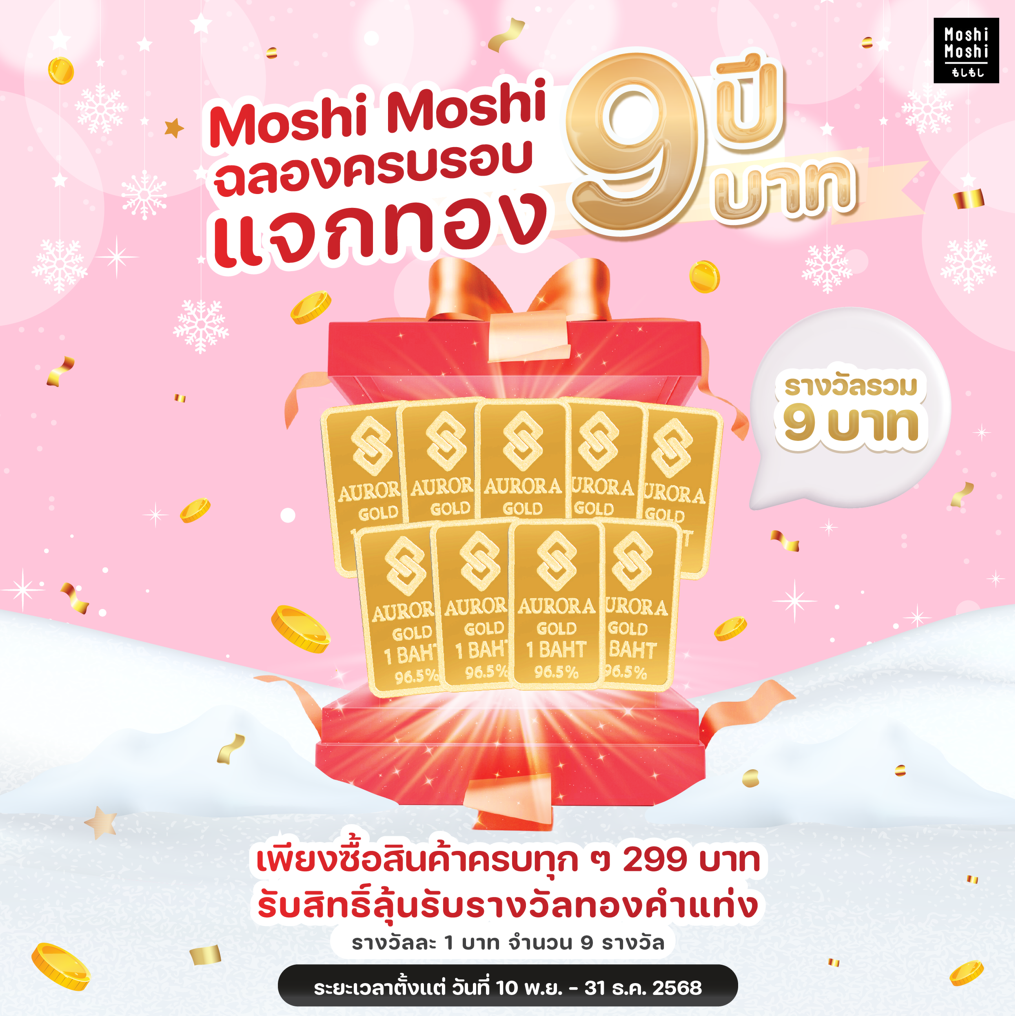
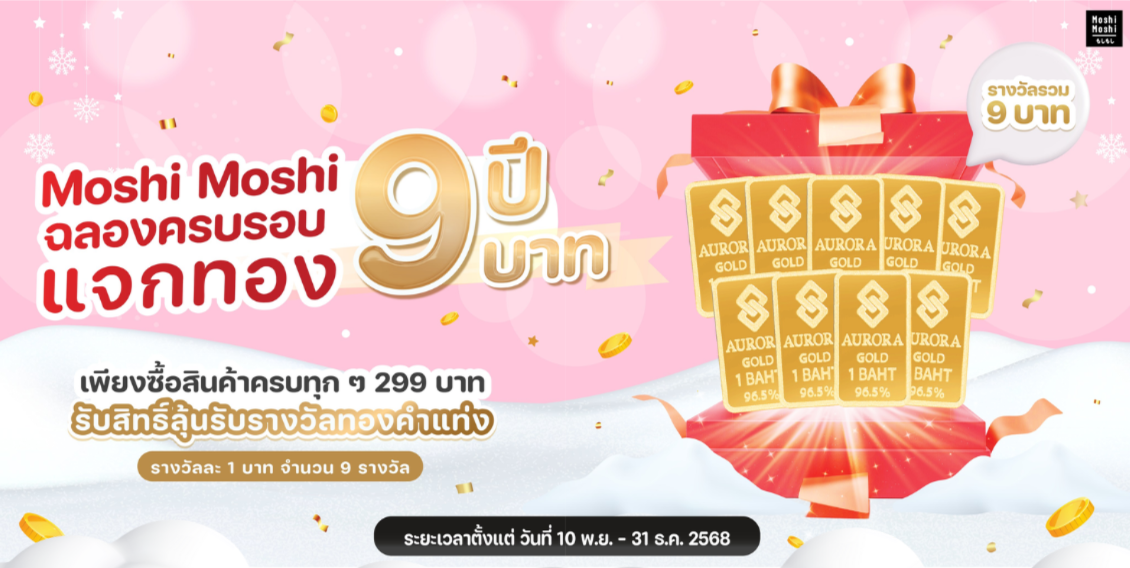
In terms of sales boosting, the Company employs strategies to expand its new customer base (Customer Acquisition) through sweepstakes campaigns, such as chances to win an iPhone and gold, which are prizes that attract broad consumer interest. These campaigns help increase the number of new customers trying products and expand channels for collecting customer data for future use in Customer Relationship Management (CRM).
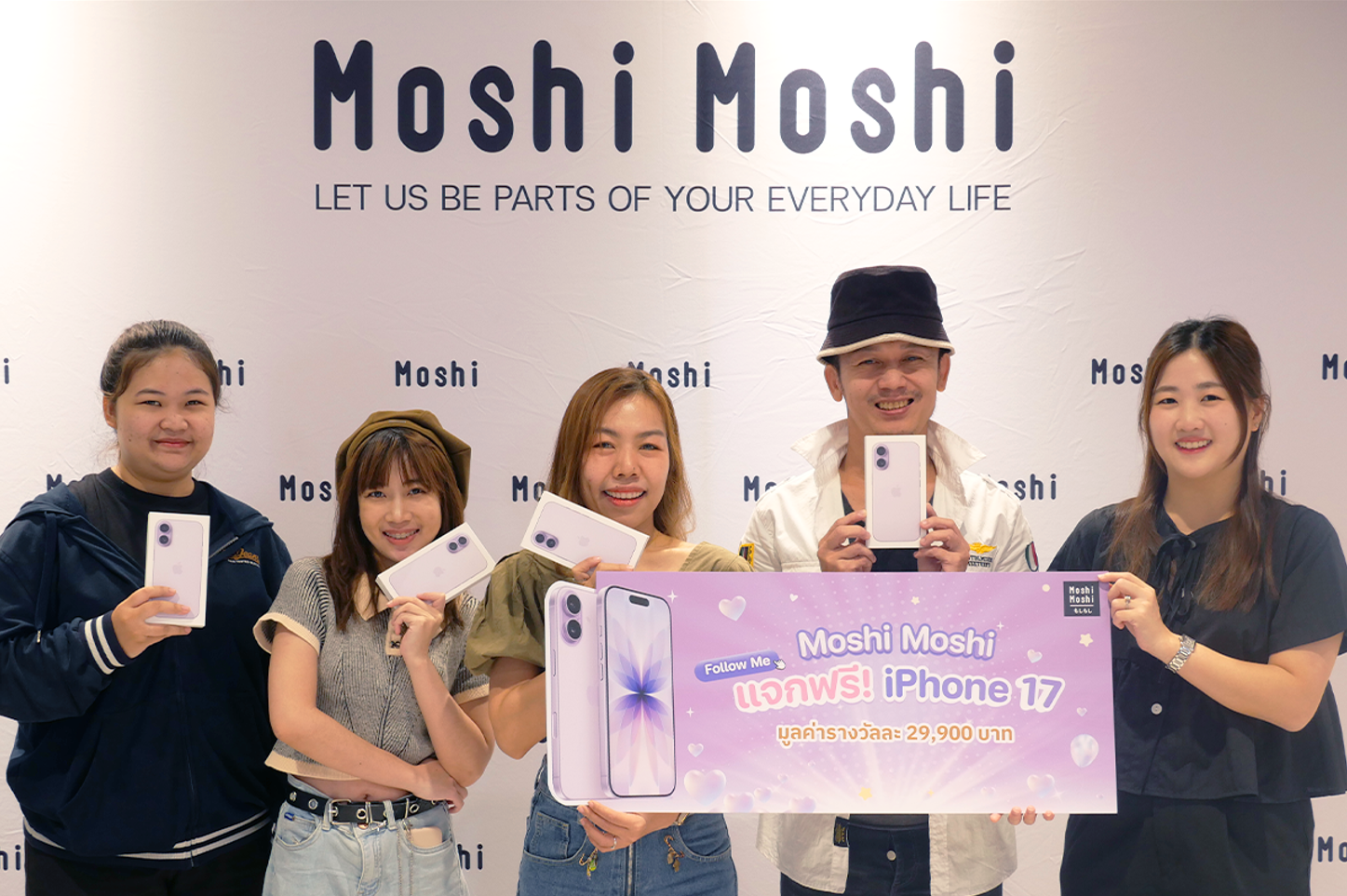
For customer retention (Customer Loyalty), the Company regularly offers promotions and exclusive privileges for members, such as special redemption promotions and monthly member-exclusive offers, to incentivize repeat purchases and increase the average transaction value (Ticket Size).
Additionally, the Company also uses Line OA is a crucial channel for communicating news, promotions, and personalized offers. Customer data is analyzed to design messages and privileges that match individual interests, thereby increasing the efficiency of the sales closing process and building long-term customer satisfaction.
Such comprehensive strategies covering brand building, new customer acquisition, and current customer retention help the brand "Moshi Moshi" can continuously expand its market awareness and increase opportunities for sustainable sales growth in 2025.
(e) Improve cost efficiency through product and process development.
The Company implements cost efficiency strategies alongside product development to continuously build profitability. This focuses on designing attractive products and packaging that maintain brand identity and align with consumer needs, thereby increasing value and the ability to set appropriate selling prices. Furthermore, it collaborates with licensors to develop popular cartoon characters, expanding market opportunities and enhancing the potential to sell products in higher price segments.
In terms of cost management, the Company adjusts product design to enhance production efficiency, such as reducing the number of colors in printing without compromising product image. This also includes sourcing new suppliers who meet specified standards and procuring from multiple sources to compare offers and costs for optimal value. The increasing number of branches also allows the Company to benefit from higher order volumes (Economies of Scale), leading to a reduction in unit costs.
For warehouse and logistics, the Company uses real-time data from the WMS (Warehouse Management System) to plan staffing in line with workload, thereby enhancing the efficiency of goods receiving and dispatching. Additionally, the Company has optimized its transportation model by consolidating routes and utilizing full-load vehicles in the same area, which reduces transportation costs, operational time, and increases the overall flexibility of the logistics system.
Through comprehensive development in all aspects, from product design, raw material sourcing, cost management, and warehouse technology utilization to logistics optimization, the Company can sustainably enhance operational efficiency and increase competitiveness.
(f) Continuously invest in developing information technology systems to enhance operational efficiency, extend customer relationships, and support future growth.
The Company has continuously invested in developing information technology systems for data management and system development. Currently, the Company has three main programs: 1) The SAP system, which is an ERP (Enterprise Resource Planning) system for data storage and serves as a centralized medium for connectivity and data sharing within the organization. The SAP program connects with 2) program LS Retail for in-store product sales, and 3) the IS CODE program, which is a WMS (Warehouse Management System) for warehouse and logistics management.
The Company has developed information technology systems to improve its supply chain, which will enhance operational efficiency and reduce operational costs. For example, historical sales data is analyzed to determine the demand for each product type and the available supply, thereby optimizing ordering and product selection for stores. This reduces purchasing expenses and inventory holding costs, as well as minimizes lost opportunities due to insufficient popular products to meet customer demand. Furthermore, the Company is committed to continuously developing these systems by improving data analysis tools and workflows to align with changing market conditions and consumer behavior, thereby enhancing competitiveness and supporting long-term business growth.
The Company plans to enhance its capability to collect and analyze customer data through a Membership Program. The Company aims to increase customer loyalty to the brand to retain its customer base for sustainable growth and to analyze customer data for further needs, enabling product development and marketing teams to create customized promotions/collections that better meet the target audience's demands. It is believed that exclusive member privileges will ultimately increase customer loyalty to the Company and boost sales.
Furthermore, the Company continuously invests in developing information technology systems by enhancing integrated data management systems. This involves developing a central Data Hub Platform to systematically collect and link data from both internal and external sources, along with establishing an Automated Reporting System and laying down AI-Ready Infrastructure to support future artificial intelligence applications. This aims to increase operational efficiency, reduce redundant steps and manual errors, enable real-time access to accurate and up-to-date information, support quick and precise decision-making, and effectively manage and control inventory days. It also helps conserve resources, reduce the cost of managing multiple data systems, maintain and improve Gross Profit Margin (GPM), and enhance agility in responding to market changes, supporting business growth and long-term customer relationship development.
(g) Enhance distribution channel efficiency and develop New Concept Stores to expand the customer base
In 2025, the Company focuses on expanding distribution channels, both online and offline, to increase product accessibility and effectively meet evolving consumer demands, with an emphasis on developing customer experience at every touchpoint (Customer Touchpoints) and creating differentiation in the lifestyle product market, as follows:
1. Enhancing online channel efficiency through e-commerce platforms
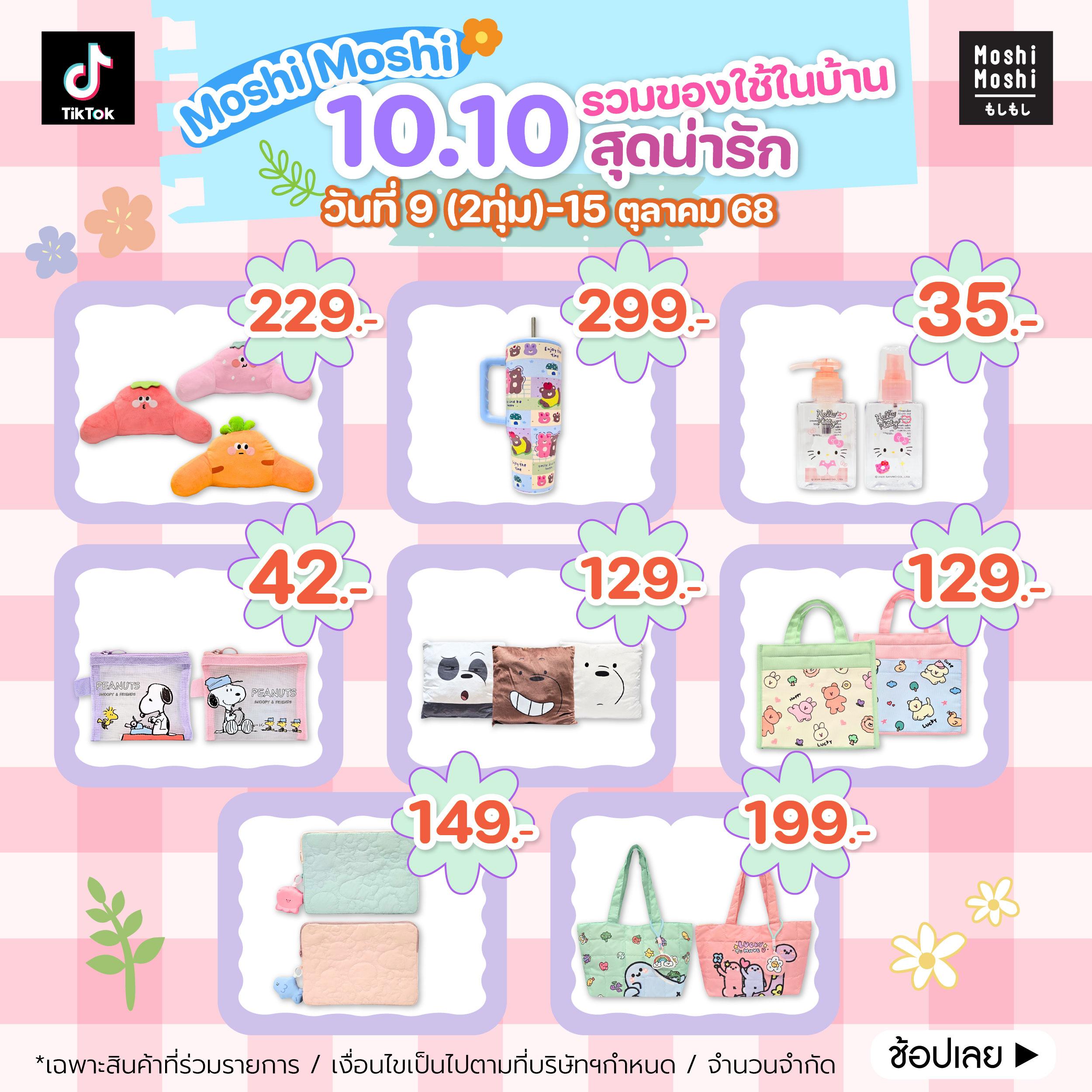
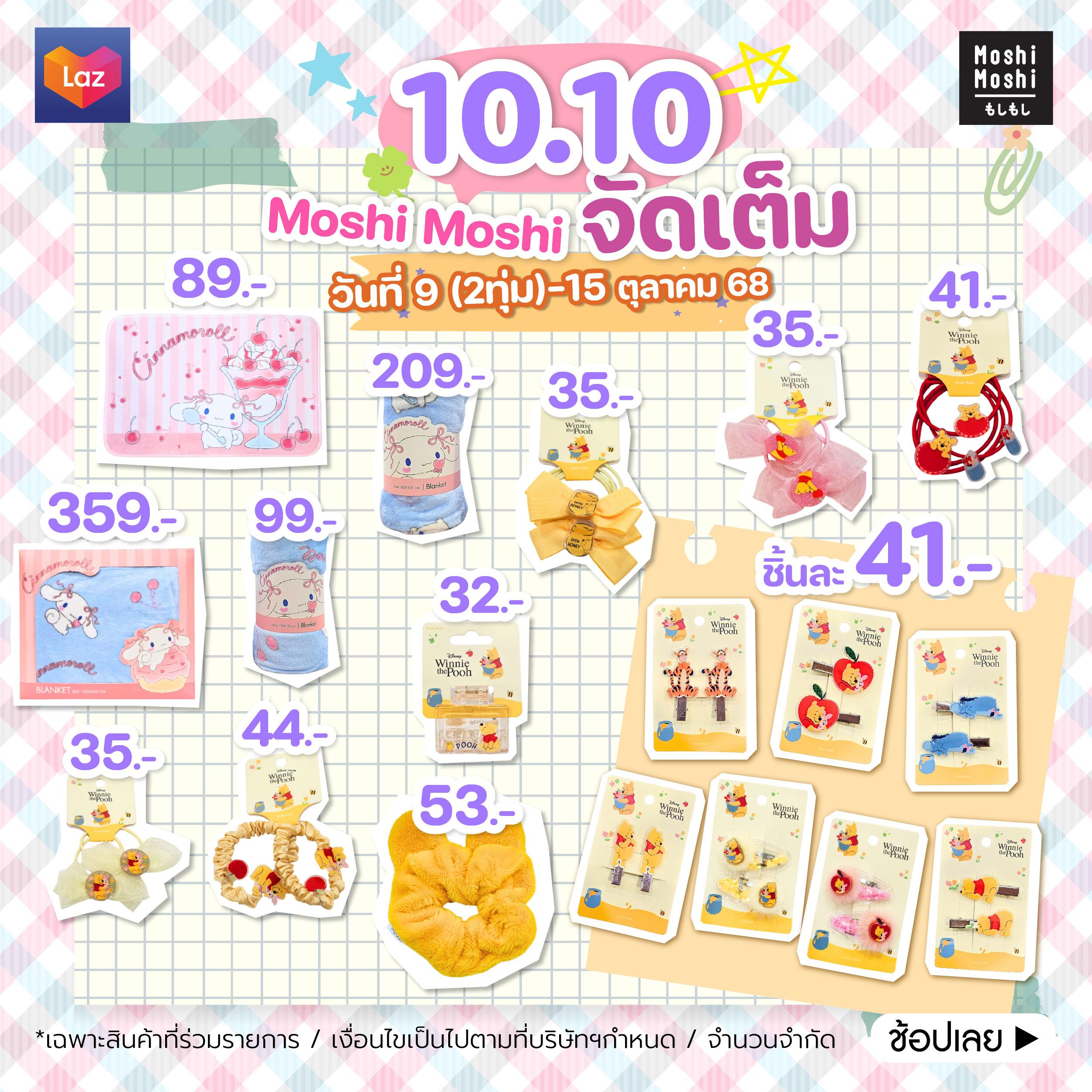
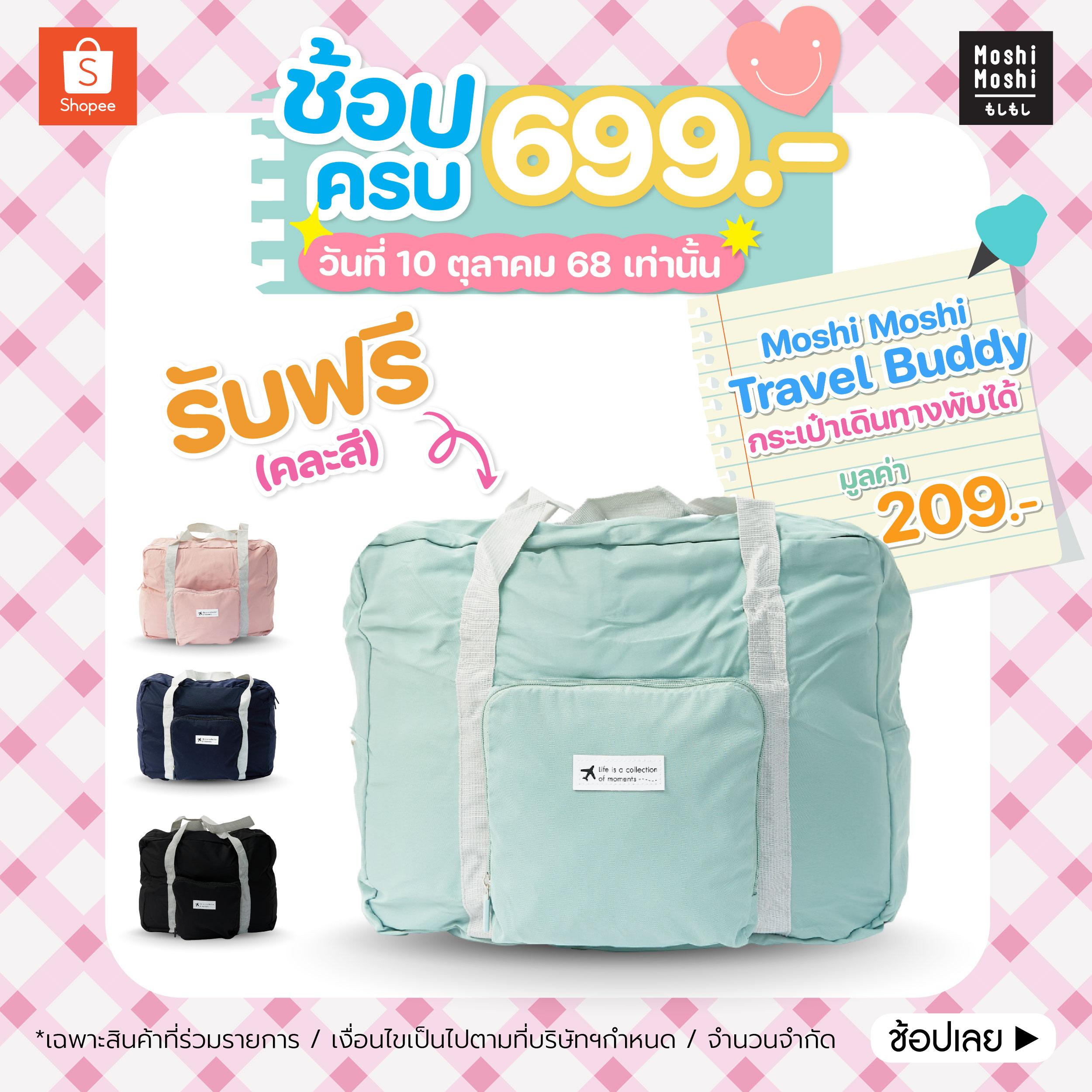
The Company continues to expand product distribution through Shopee, Lazada, and TikTok Shop platforms, which are crucial channels for reaching a broad consumer base. This involves increasing the frequency and duration of live commerce activities to create real-time interaction and stimulate purchasing decisions. Additionally, the Company launches new collections online concurrently with in-store availability to provide customers with greater convenience in selecting products and to increase sales opportunities for high-demand items during specific periods. Continuous analysis of online sales data enables the Company to select appropriate products for each platform and adjust strategies to precisely meet consumer demands.
2. Developing store formats to enhance the shopping experience
The Company launched a new Moshi Moshi Concept Store under the concept of "Dreamland" or "Land of Dreams" at the Moshi Moshi Central Pinklao branch in December 2025. This new Concept Store is designed to offer an experience beyond ordinary shopping Offer a diverse range of products, including Original Design products, licensed products, and special collections. combining entertainment and an enchanting atmosphere, which aligns with the Company's strategy to enhance customer experience and differentiate itself from competitors.
This New Concept Store has been developed as a Lifestyle Destination where customers can experience a distinctly different shopping experience from other branches. Key elements include photo corners specifically designed for Moshi Moshi stores, a decorative theme that maintains the brand's unique cuteness, vibrancy, and accessibility, clear product categorization and zoning for convenient shopping, and the presentation of exclusive products available only at this branch to create differentiation.
Developing store formats in this manner helps elevate the brand's image to be more prominent in the market, increases opportunities to attract new customer segments, and serves as an important space for marketing activities or future new collection launches.
(g) Seek new business opportunities
The Company prioritizes seeking new business opportunities without limitations under its investment policy, which is a crucial strategy for sustainable growth. This begins with an open mind, ready to develop and build upon existing expertise, whether by adding new product lines that meet the needs of existing customer segments or by expanding the customer base to previously untapped groups.
The Company can find growth opportunities by improving quality, increasing product diversity, or creating new innovations that meet evolving customer needs. This also includes exploring new markets, both domestically and internationally, that have not yet been accessed, potentially with minor adaptations to suit the culture and specific needs of each area. Providing opportunities for employees to participate in business development and regularly monitoring market trends will help generate diverse perspectives and keep pace with changes.
In seeking new business opportunities, the Company focuses on leveraging its existing strengths and expertise with prudence and appropriate risk assessment in accordance with the Company's investment policy. This aims to achieve stable and sustainable long-term growth, not merely short-term profits, but also considering the value delivered to customers, employees, and all stakeholders.
Material Changes & Developments
Introduction
In 1973, the Boonsongkor Family Group (“the Family Group”) commenced its retail business for stationery and gift shop products under the name Promphan Shop. Subsequently, the Family Group identified opportunities for business expansion and began selling specially designed products and imported goods from Japan for distribution to leading department stores and various shops.
In 1987, the Family Group began manufacturing and distributing plastic products to both domestic and international customers, including those in Hong Kong, Singapore, Korea, and Japan. The business was further expanded by establishing a traditional wholesale store in Sampheng. By adopting store decoration concepts and elevating store standards to resemble wholesale districts in Japan, the Family Group's wholesale store became popular and distinct from other establishments.
In 1992, the Family Group began manufacturing and distributing apparel products to both domestic and international customers, including those in America and Europe. With extensive experience in retail and wholesale businesses, the Group identified business opportunities arising from market gaps and customer demand for modern, diverse, and everyday products. In 2016, the Family Group thus launched a retail business for diverse, modern, quality, and affordable lifestyle products. The company opened its first Moshi Moshi store in Sampheng and its second store at Platinum Fashion Mall. Subsequently, the company continuously opened new branches and rapidly expanded its coverage across Bangkok, its vicinity, and other provinces. As a result, as of December 31, 2025, the company operates a total of 196 Moshi Moshi stores, with 71 branches in Bangkok and its vicinity, and 125 branches in other provinces. Additionally, there is 1 GIANT store, 1 The OK Station store, 2 Garlic stores in Bangkok, and 2 Garlic stores in other provinces.
Presently, the Family Group operates businesses in three main categories, namely: 1) retail and discount retail businesses under Moshi Moshi Retail Corporation Public Company Limited; 2) manufacturing businesses for apparel and plastic products under Fancy Art Co., Ltd. (“FCA”) and Giftland Co., Ltd. (“GL”), respectively; and 3) real estate businesses under various legal entities.
Material Changes & Developments
| Year | Description |
|---|---|
| 2,000 |
|
| 2,016 |
|
| 2,017 |
|
| 2,018 |
|
| 2,019 |
|
| 2,020 |
|
| 2,021 |
|
| 2,022 |
|
| 2,023 |
|
| 2,024 |
|
| 2,025 |
|
Use of Proceeds from Securities Offerings
Is There Money Raised from a Securities Offering Still to Report On?
No
Commitments Made in the Registration Statement
Are There Commitments or Conditions from an Offering or Listing?
No
Group Operating-Structure Policy
Description
Moshi Moshi Retail Corporation Public Company Limited ("the company")originated from the Boonsongkor family group ("the family group"), which began operating retail stores for stationery products, goods gift shop under the name Promphan store since the year 2516. Subsequently, the family group recognized an opportunity to expand the business and began selling specially designed products and imported goods from Japan to leading department stores. They also expanded the business to traditional wholesale stores in Sampheng market. In 2016, the Company identified a business opportunity and began operating retail stores for diverse, modern, and affordable lifestyle products, opening its first branch in Sampheng and a total of 4 Moshi stores. In 2020, the Company entered into an Entire Business Transfer (EBT) agreement with BSK Asset Company Limited ("BSK"), a company under the family group, to acquire a warehouse located in Om Yai Subdistrict, Sam Phran District, Nakhon Pathom Province, for the purpose of separating assets necessary for business operations. Currently, this warehouse serves as the Company's main distribution center.
Prior to the Company's listing on the stock exchange, the family group held 100 percent of the Company's registered and paid-up capital. Subsequently, the Company was listed on the stock exchange on December 22, 2022. As of December 31, 2568 The Company has no investments in subsidiaries and associates.
In 2024, the Company signed a joint venture agreement with Index Creative Village Public Company Limited to establish "Joint Venture Moshi Moshi & Index Creative Village Project Development" as a joint tax entity in Thailand. The Company holds a 50 percent investment proportion and has an agreement to share profits or losses according to the investment proportion, under the condition that all activities must receive unanimous approval from both partners. According to the joint venture agreement, both partners have direct rights to the assets and joint obligations for the liabilities of the tax entity. Therefore, the Company classifies this investment as a joint operation and recognizes assets, liabilities, income, and expenses according to the investment proportion. The joint venture organized the "Hello Kitty Exhibition: Celebration of Friendship" and "Sanrio Characters: FUNtastic Exhibition" to celebrate the 50th anniversary of the "Hello Kitty" character, held from August 10 to December 31, 2024, at HOUSE OF ILLUMINATION, 8th Floor, CentralWorld. The joint exhibition operations have concluded, with only the management of assets and liabilities remaining to prepare for the dissolution of the joint venture, including the settlement of debts and various outstanding expenses.
Income Structure
Introduction
The Company primarily generates revenue from product sales. In 2025, revenue from product sales primarily came from retail stores, accounting for 85.41% of total revenue.
Product / Service Income
| Category | Description | This Year | This Year % | Last Year | Last Year % | 2 Years Ago | 2 Years Ago % |
|---|---|---|---|---|---|---|---|
| Total revenue from operations | Total revenue from operations | 3,664,346.34 | 100 | 3,111,263.07 | 100 | 2,529,513.77 | 100 |
| Retail | 3,129,789.37 | 85.41 | 2,554,374.35 | 82.1 | 2,060,185.61 | 81.45 | |
| Wholesale | 460,457.66 | 12.57 | 485,300.08 | 15.6 | 451,104.22 | 17.83 | |
| Other | Other | 74,099.31 | 2.02 | 71,588.64 | 2.3 | 18,223.94 | 0.72 |
Export Income
| Category | Description | This Year | This Year % | Last Year | Last Year % | 2 Years Ago | 2 Years Ago % |
|---|---|---|---|---|---|---|---|
| Total revenue | Total revenue from operations | 3,664,346.34 | 100 | 3,111,263.07 | 100 | 2,529,513.77 | 100 |
| Domestic | Domestic | 3,664,346.34 | 100 | 3,111,263.06 | 100 | 2,529,513 | 100 |
| International | International | 0 | 0 | 0 | 0 | 0 | 0 |
Other Income
| Operating Other Income | Non-Operating Other Income | Share of Profit |
|---|---|---|
| 1710 · As of year: 18389.92 · Description: Total other income · As of yesteryear: 16644.98 · As of year before yesteryear: 13741.78 · 1711 · As of year: 0.0 · Description: Other income from operations · As of yesteryear: 0.0 · As of year before yesteryear: 0.0 | 1712 · As of year: 18389.92 · Description: Other income not from operations · As of yesteryear: 16644.98 · As of year before yesteryear: 13741.78 | 1713 · As of year: 0.0 · Description: Share of profit · As of yesteryear: 0.0 · As of year before yesteryear: 0.0 |
Product / Service Characteristics
Introduction
The Company prioritizes the development and procurement of products. Most of the products sold in the stores are developed and designed by the Company's team and presented under the brand name Moshi Moshi for exclusive sale in stores (Exclusive) across 13 categories, including Home Furnishing, Bags, Stationery, Plush Toys, Fashion Accessories, Health and Beauty, Apparel, Cosmetics, IT Gadgets, Toys, Food & Drink, Pet Accessories, and Others. The product categories and sample items as of December 31, 2025 are detailed as follows
Business Type
3114
Business Groups
| Business Group | Description |
|---|---|
| Household Appliances Group | The Company's household goods category covers products for daily use, such as kitchenware, tableware, bedding, bathroom items, home decoration, and other household items. The Company's products feature a variety of patterns and colors, including plain patterns emphasizing solid colors, patterns exclusively designed by the Company, and licensed cartoon patterns, to meet the diverse needs of customers. In 2025, the Company focuses on developing products in the home fragrance and ambiance category, specifically reed diffusers, which is a product that has continuously gained popularity. The Company has developed a variety of scents, covering fresh, relaxing, and luxurious tones, to accommodate different consumer preferences, thereby enhancing the in-home experience and increasing product choices to meet the needs of various customer groups. |
| Bag Group | The company's bag products are developed with an emphasis on appropriate design and presented according to customer needs and preferences, including bag shapes, patterns, materials, and various colors to enhance the variety of choices for customers of all ages. There are various types to meet different usage requirements, such as wallets, coin purses, drawstring bags, handbags, multi-purpose bags, backpacks, travel bags, cosmetic bags, pencil cases, cooler bags, tablet bags, laptop bags and other items as required by customers. |
| Stationery Group | The company's stationery product group has been developed with a variety of designs and colors to meet the needs of customers of all ages, from students to working professionals. This product group includes pencils, pens, pencil cases, notebooks, gift boxes, and more. Additionally, the company also selects leading stationery brands such as Pentel, Staedtler and others are available in stores to provide a diverse range of options and fully meet customer needs. |
| Doll Group | Products in the doll category continue to be popular, as they are often chosen as gifts for various occasions. The company therefore prioritizes the continuous development and presentation of new designs and patterns, along with sourcing genuine licensed dolls from a variety of cartoon characters, to enhance appeal, create product differentiation, and continuously encourage customers to browse and purchase products in the store. |
| Fashion Accessories | The fashion accessories product group covers jewelry products such as earrings, necklaces, as well as general fashion items like hats, socks, and hair accessories such as hair ties, hair clips. The Company has increased the proportion of products with licensed designs. To accommodate the continuously expanding consumer demand and to offer a wider variety of product choices to customers. The team focuses on studying and monitoring fashion trends from various sources, both domestically and internationally. The Company procures products or commissions production according to the designs specified by the Company to align with market demands. Furthermore, this year, the Company has developed hair accessory products with exclusive designs specifically for the Company, which are unique and distinct from other brands, to enhance prominence and attract customers. |
| Beauty Accessory Group | Beauty accessory products such as makeup tools, mirrors, and combs are highly popular among students and working professionals, as they are essential items used in daily life. The company prioritizes selecting high-quality products with modern designs to meet the current needs of customers. |
| Apparel Group | The Company's apparel products are designed for daily wear. The Company emphasizes the quality of fabric and standardized tailoring. The fabric is made from high-quality fibers, providing a soft touch, comfortable wear, and no shrinkage, along with exquisite and beautiful tailoring, as well as precise, standard sizing. The Company has increased the proportion of t-shirts with licensed designs to meet consumer demand and differentiate its products. Products The Company's product range covers various categories, such as t-shirts, trousers, jackets, dresses, and sleepwear, to suit customers' needs and preferences. |
| Cosmetics Group | The Company's cosmetic product group covers various categories such as cosmetics, perfumes, nail polish, hand cream, and facial masks, among others. The Company focuses on selecting leading domestic manufacturing partners with high expertise and extensive experience to deliver products of outstanding quality in terms of both color identity and unique fragrance, while perfectly meeting consumer needs and aligning with current fashion trends. Currently, the Company has expanded its product brands to offer greater variety, such as Plantnery Karmarts and Cintage Beauty. |
| IT Equipment Group | Currently, IT and electronic devices play a crucial role in the daily lives of consumers of all ages. Various devices such as smartphones, computer equipment, and audio devices continue to be widely popular, leading to a continuous growth in demand for IT accessory products, whether they are mobile phone accessories, computer accessories, or gadgets that enhance daily convenience. In 2025, the Company aims to further diversify its IT products and cater more effectively to digital lifestyles by offering products carefully selected for their design, quality, and performance, such as modern design lamps, portable handheld fans, and High-performance Power Bank. Additionally, the Company has expanded its product portfolio by introducing popular technology brands for sale in its stores to offer more choices to consumers, enhance product quality credibility, and help expand the customer base to new groups seeking high-standard technology products. The Company will continue to closely monitor consumer behavior and technology trends, while consistently planning to expand its product offerings in the IT accessories category to accommodate rapidly evolving demand in the digital era. |
| Toy Group | The Company's toy products are developed to enhance skills, knowledge, creativity, as well as to train imagination and brain development of players (Educational Toy), which can be further developed creatively. Products in this group include various career-themed toy sets, board games, and seasonal toys such as water guns and sand shovels. Additionally, Blind Box products have continued to gain popularity. The Company has therefore sourced such products to effectively meet customer demand. The Company recognizes opportunities from the growing trend of products emphasizing uniqueness, and has therefore launched a product group of the type DIY in 2025 to reach new generation customers who increasingly value creating products that reflect their identity and individuality. The products highlight ease of use and variety, providing customers with the freedom to design and craft their own creations, while also fostering a creative experience that enhances long-term customer loyalty to the brand. |
| Food and Beverage Group | The company's food and beverage product portfolio focuses on curating a diverse selection that meets consumer demands, by sourcing products from leading partner brands that consistently enjoy market popularity. The company places significant emphasis on selecting only brands that adhere to high standards and have earned consumer trust. A key strength of the company is its close monitoring of consumer behavior and emerging trends among new generation customers, enabling it to swiftly introduce popular products to the market, thereby consistently attracting consumers who seek the latest trends within its stores. |
| Pet Accessories Group | The company recognizes opportunities arising from the growth of the pet industry and therefore focuses on developing product groups pet accessories to meet the lifestyle of modern consumers who value pets as family members. In 2025, the company aims to expand its product base in the pet toys and pet clothes categories, which combine outstanding design with practical functionality, whether it is enhancing pet development or modern designs to meet daily usage needs and content creation on social media, to create impressive shared experiences between owners and pets. |
| Other groups | In addition to the aforementioned core product groups, the Company also manages other product categories with flexibility and in alignment with market conditions. This involves selecting products that are currently popular and in demand by consumers at various times, such as keychains, collectible model items, as well as daily necessities like inhalers and pillboxes. The Company places importance on closely analyzing consumer behavior databases to keep its product portfolio up-to-date and offer trendy products, thereby effectively meeting rapidly changing demands. |
Research & Development
Has R&D Policy (Y/N)
No
Introduction
Process Innovation is a crucial component in driving organizations amidst rapidly changing business competition. Therefore, improving and developing work processes to achieve maximum efficiency is a key strategy for enhancing organizational capabilities to meet the needs of all stakeholders. Key factors driving the development of process innovation include rapid technological changes, constantly evolving consumer behavior, the necessity to reduce operating costs, and an awareness of environmental responsibility through reduced resource consumption.
Process innovation development impacts stakeholders in various dimensions, particularly customers, partners, employees, and business allies. For customers, process development enhances the efficiency of service experience, although during the transition period, some customer groups may require additional support to understand new systems. For employees, process improvements reduce redundant tasks, despite facing challenges in learning and adapting to new work methods. For partners, process innovation opens opportunities for collaborative development of value-added projects, alongside the necessity to adapt to new standards and processes.
Consequently, process innovation is a fundamental factor in driving the organization towards sustainable success, through enhancing operational efficiency, developing personnel potential, fostering collaboration with business partners, and elevating the quality of customer service.
The Company's Business Process Innovation development has clear and systematic guidelines, focusing on enhancing operational efficiency through the application of modern technology and automation systems to increase competitiveness in a rapidly changing market environment.
The Company has established guidelines for process innovation development that cover all dimensions of operations, as follows:
Application of Automation Systems: The Company has developed an automated management system (Process Automation) for repetitive processes, especially in documentation and approval tasks, such as automatic invoice generation referencing purchase orders and document verification through the system, to increase operational speed and reduce errors.
Information System Integration: The Company focuses on developing and linking databases between departments to support end-to-end operations, covering front-end management, order management, distribution, and warehouse management.
Monitoring and Evaluation: The Company assigns each department responsibility for collecting data and monitoring the results of process innovation projects, for analysis and continuous development of work process improvements.
Since 2024, the Company has set the direction for process innovation development, focusing on the application of modern software and enhancing the efficiency of database system integration. This aims to elevate the organization's operations to excellence, alongside promoting environmental conservation through reducing paper resource consumption within the organization.
The Company assigns the Information Technology Department primary responsibility for managing and developing the organization's technology systems. In 2024 and 2025, the focus is on developing and applying software to enhance internal management efficiency. The Company has defined the system development and integration process into 5 main steps, as follows:
1. Goal Setting and Project Planning: The Company begins by defining project goals focused on developing work process efficiency and meeting stakeholder needs. The Information Technology Department, in collaboration with relevant departments, plans the project, allocates resources, budget, and sets the implementation timeline.
2. Requirements Analysis: The technology development team collects and analyzes requirements from all departments, covering improvements to existing systems, resolution of bottlenecks, and development of necessary new functions, in order to prepare technical specifications. In cases where the system is under the care of an external service provider, the operation will involve collaboration between the technology development team and the service provider in preparing specifications and system development plans.
3. Design and Development: External service providers are responsible for designing and developing the system according to technical specifications that have been analyzed and confirmed in collaboration with the Company. This includes designing the technology architecture and functionalities, while considering compatibility with existing systems and future scalability.
4. User Acceptance Testing: The developed system will undergo comprehensive testing to ensure operational efficiency according to specifications, free from errors or vulnerabilities, including User Acceptance Testing (UAT) by actual users.
5. Implementation: Following testing, the Information Technology Department proceeds with system installation and employee training to ensure full system utilization. Initial usage is also monitored and evaluated to address any potential issues and ensure the system effectively meets the organization's needs.
These five development steps are crucial mechanisms that enable the Company to develop highly efficient information technology systems, aligning with the long-term goals of sustainable process innovation.
R&D Cost — Description
Process innovation is a crucial strategy that the Company highly prioritizes to enhance operational efficiency and strengthen competitiveness. The Company continuously focuses on improving internal processes through the application of modern technology and optimizing workflows to be more efficient, with the goal of reducing redundancy and operational lead times.
The Company prioritizes fostering an innovation culture within the organization by encouraging employees at all levels to participate in proposing new ideas for process development. Specialized working groups have been established to drive process innovation, alongside the creation of a knowledge management system to promote experience sharing among employees within the organization.
In 2024 and 2025, the Company has invested in process innovation with a total value of approximately 41,000,000 baht, focusing on developing projects that enhance internal operational efficiency and elevate stakeholder satisfaction across all groups. This investment aims to increase the Company's capability to respond to rapidly changing market conditions and evolving customer demands.
The development of process innovation has brought numerous benefits to the organization, including increased operational efficiency, reduced costs and lead times in work processes, and the creation of a competitive business advantage. Furthermore, it is a crucial factor supporting the long-term sustainable development of the organization across economic, social, and environmental dimensions, reflecting the Company's commitment to creating true value for all stakeholders.
Operating Results in 2025
1. Upgrading the Point of Sale (POS) System
The Company has developed a new Point of Sale (POS) system to enhance operational efficiency, with 100% of all branches having the system installed by July 2025. This system increases stability and flexibility in use, as well as improving transaction management and sales data analysis capabilities, to effectively and sustainably support future business expansion and growth.
2. Improvement of Financial and Accounting Processes in SAP System
The Company has improved its operational processes related to accounting entries, accrual recording, asset management, and financial statement preparation within the SAP system. The objective is to reduce processing time by no less than 50% by 2025 through the implementation of automation to enhance operational efficiency.
The results indicate that the time required for accrual recording has decreased from an average of 3 minutes per transaction to 45 seconds per transaction, representing a 75% reduction. Meanwhile, the asset recording process for new branches has been reduced from an average of 60 minutes per branch to 10 minutes per branch, representing an 83.33% reduction. In 2026, with increased user proficiency, the processing time has been further reduced to 5 minutes per branch, or a 91.67% reduction.
The performance of the financial statement preparation process is expected to be assessed within the second quarter of 2026.
3. Enhancing Efficiency in Import Planning and Inventory Management
The Company has enhanced its import planning and inventory management processes by setting inventory level targets at 3.8-4.8 times the estimated monthly sales from February to September, and 3.0-5.8 times from October to January of 2025. This is to align with product sales, reduce inventory costs, and increase efficiency in import planning management. The project was completed in September 2025, and as of November 2025, the inventory level was 4.85 times the estimated monthly sales, which is in line with the set target.
R&D Cost — Label
Research and development (R&D) expenses over the past 3 years (Million Baht)
R&D Cost — This Year
11.0
R&D Cost — Last Year
30.0
R&D Cost — 2 Years Ago
0.0
Assets Used in the Business
Permanent Assets — Description
As of December 31, 2025, the Company has the following principal assets used in its business operations:
Permanent Assets — Appraisal
| Asset | Ownership | Obligation | Appraisal Value |
|---|---|---|---|
| Property, Plant, and Equipment | Owner | No obligations | 910,800,000 |
| Right-of-use assets | Leasehold Rights | No obligations | 1,615,570,000 |
Intangible Assets — Description
As of December 31, 2025, the Company has intangible assets used in its business operations as follows:
Intangible Assets — Appraisal
| Asset | Type | Appraisal Value |
|---|---|---|
| Software | Copyright | 50,570,000 |
Has Subsidiaries Investment Policy (Y/N)
Yes
Subsidiaries Investment Policy — Description
Investment Policy
The Company has an investment policy for subsidiaries and joint ventures. that conduct business in line with the Company's goals, vision, and growth strategy to enhance stability or promote and support the Company's business. The Company, its subsidiaries, and/or joint ventures may consider investing in other businesses if they have growth potential, can be expanded, are beneficial to the Group's business, or can generate good returns on investment. The Company will analyze and consider the feasibility of the investment, the investment proportion, expected returns, potential risks, and the Company's financial status before deciding to invest in various projects. Significant investment approvals must be considered by the Board of Directors' meeting and/or the Shareholders' meeting according to the defined scope of approval authority and in accordance with relevant rules and regulations of the Capital Market Supervisory Board, the Securities and Exchange Commission, and the Stock Exchange of Thailand, including criteria for the acquisition or disposition of assets, connected transactions, and Information Disclosure
Policy for Supervising Operations in Subsidiaries and Joint Ventures
The Company establishes a policy for supervising the operations of its subsidiaries and joint ventures, with the objective of defining both direct and indirect measures and mechanisms to enable the Company to supervise oversee the management of subsidiary affairs. and joint ventures efficiently and in accordance with the Public Limited Company Act, the Civil and Commercial Code, securities laws, and other relevant laws, as well as relevant announcements, regulations, and criteria of the Capital Market Supervisory Board, the Securities and Exchange Commission, and the Stock Exchange of Thailand, to protect the Company's investment interests in such subsidiaries and joint ventures, thereby enhancing shareholder confidence. The details are as follows:
1. Management of Subsidiaries and Joint Ventures
The Company will oversee the efficient management and operations of its subsidiaries and joint ventures and establish measures to monitor the administration of subsidiaries and joint ventures to protect the Company's investment interests, with the following details:
1.1 The appointment of individuals as directors or executives in subsidiaries and joint ventures shall reflect the Company's shareholding proportion in those subsidiaries and joint ventures.
1.2 The Company will appoint individuals with qualifications and expertise suitable for the business operations of the subsidiaries and and/or joint ventures to serve as directors or executives of subsidiaries and/or joint ventures. to oversee the subsidiaries, and and/or joint ventures conduct business in accordance with the law, policies, and business plans of the Company. However, the selection of individuals to serve as directors or executives in each company shall be at the discretion of the Board of Directors' meeting or the Delegation of Authority approved by the Board of Directors' meeting.
1.3 Scope of duties and responsibilities of directors and executives representing the Company in subsidiaries and joint ventures.
(a) The directors and executives of subsidiaries and joint ventures have significant scopes of duties and responsibilities in accordance with the objectives, articles of association, resolutions of the Board of Directors' meetings, and resolutions of the shareholders' meetings of those subsidiaries or joint ventures.
(b) The directors and executives of subsidiaries and joint ventures must perform their duties to the best of their abilities for the benefit of the subsidiaries and and/or joint ventures, and in line with the Company's policies and business plans, to support the Group in achieving its long-term objectives and goals, as well as to exercise discretion in managing subsidiaries and/or joint ventures for the benefit of the subsidiary or joint venture and the Group as a whole, and to regularly report on operational progress to the Board of Directors for acknowledgment or consideration.
(c) The directors and executives of subsidiaries are responsible for ensuring that subsidiaries have appropriate, efficient, and sufficiently robust internal control and risk management systems.
(d) Directors of subsidiaries must ensure that no person with an interest in any matter or a conflict of interest with the subsidiary, whether direct or indirect, participates in the approval of that matter.
(e) Directors of subsidiaries must oversee and undertake necessary actions to ensure that important policies and plans related to the subsidiary's business operations are regularly defined, reviewed, and updated to be current and appropriate for the nature of the business, and in line with the Company's important policies and plans, which may change.
(f) Directors of subsidiaries must consider, monitor, and provide necessary advice to subsidiaries in establishing clear, efficient, and effective operational systems for conducting business.
(g) Directors of subsidiaries must propose the subsidiary's annual budget for approval by the Board of Directors' meeting before the subsidiary holds its own Board of Directors' meeting to approve the annual budget, unless otherwise specified in the subsidiary's Delegation of Authority approved by the Board of Directors' meeting.
2. Company's Oversight Mechanism for Subsidiary Information Disclosure
2.1 Any significant transaction or operation by a subsidiary that impacts the Company's financial position and operating results, or constitutes an acquisition or disposition of assets under the relevant announcement on acquisition or disposition of assets, or a connected transaction under the relevant announcement on connected transactions, which would require the Company to seek approval from the Board of Directors' meeting and/or the Company's Shareholders' meeting and/or relevant legal authorities before entering into such a transaction, the subsidiary may only proceed with such transaction or operation after receiving approval from the Board of Directors' meeting and/or the Company's Shareholders' meeting and/or relevant authorities (as the case may be).
Furthermore, if a subsidiary enters into a transaction or an event occurs that obligates the Company to disclose information to the Stock Exchange of Thailand in accordance with the criteria specified in relevant announcements, the directors or executives representing such subsidiary must immediately notify the Company's management upon learning that the subsidiary plans to enter into such a transaction or when such an event occurs.
2.2 The Company will establish necessary measures and procedures to ensure that subsidiaries disclose information regarding their operating results and financial status accurately and completely. The Company will take necessary actions to monitor the complete and accurate disclosure of such information.
Marketing Policy & Competition
Reporting Mode
3117
Marketing Policy (Overall)
1. Distribution Channels
At present, the Company distributes its products through two primary channels: the Company’s branch network and online channels (E-Commerce). These channels are designed to respond to the evolving needs of modern consumers who increasingly value convenience and multiple options for accessing products.
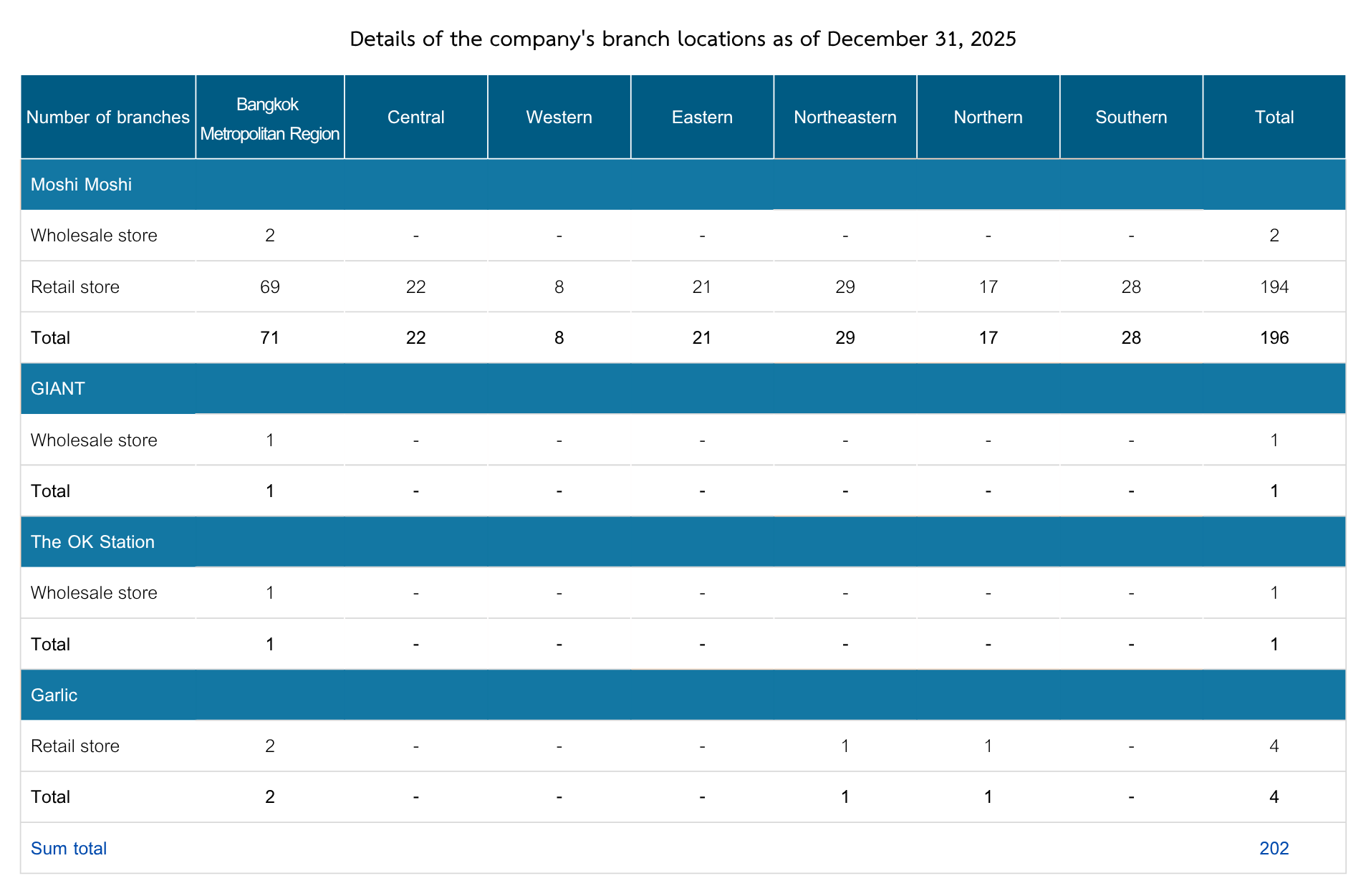
1.1 The Company’s branch network serves as its primary distribution channel. As of December 31, 2025, the Company operated a total of 202 branches, comprising 196 Moshi Moshi stores, 1 GIANT store, 1 The OK Station store, and 4 Garlic stores. Most of the Company’s branches are located in leading shopping malls, community malls, hypermarkets, and local department stores. In addition, the Company also operates standalone branches located near universities and within community areas to effectively reach target customer segments and enhance accessibility to the Company’s products and services. The Company’s branches currently cover 68 provinces across all regions of Thailand.
At the end of 2025, the Company launched a new Moshi Moshi store at Central Pinklao, introducing a new store concept under the theme “DREAMLAND.” This initiative aims to elevate the shopping experience and reinforce the Company’s leadership in the lifestyle product market in Thailand. The store focuses on offering quality products at accessible prices while delivering a distinctive and engaging shopping experience. The branch features globally licensed products as well as product categories including Home, stationery, fashion, and beauty items, all of which are continuously updated in line with current trends. The store layout is also designed to encourage customer engagement and increase in-store customer traffic.
In addition, the Company has integrated Garlic, a brand within its portfolio, in a side-by-side format by opening the fourth Garlic branch to enhance product portfolio diversity. Garlic is distinguished by its modern and minimalist design and offers products in the diffuser, fashion, and lifestyle categories to cater to customers seeking unique and differentiated products. This initiative aligns with the Company’s branch expansion strategy and the optimization of commercial space utilization, while also supporting revenue growth and enhancing the overall customer experience.
The Company places strong emphasis on selecting suitable branch locations in order to expand its customer base nationwide. Key factors considered include population density, average household income, target customer segments, purchasing power, proximity to residential communities, customer traffic, and the overall competitive landscape. Details of the locations of Moshi Moshi, GIANT, The OK Station, and Garlic branches as of December 31, 2025 are as follows:
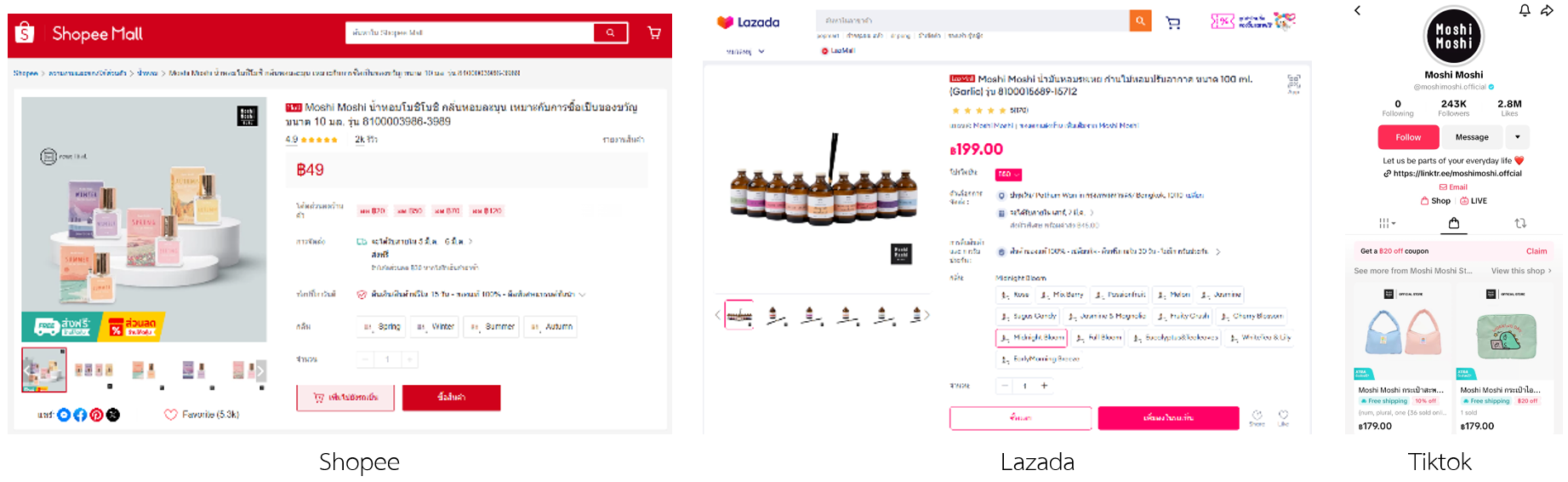
1.2 Online Distribution Channel (E-Commerce). The Company distributes its products online through official stores on leading e-marketplace platforms, including Lazada, Shopee, and TikTok. Customers can conveniently browse and purchase products through these platforms, with nationwide home delivery services available. This approach enables the Company to effectively respond to consumer behavior trends that increasingly favor online shopping.
The Company’s online channels focus on offering distinctive products that differentiate the Company from competitors. The product assortment includes popular items, consumable products, and uniquely designed merchandise in order to meet the diverse needs and preferences of customers.
In addition, the Company offers pre-order options through its online channels for products that are currently in production or available in limited quantities, such as newly launched items and limited-edition collections. This allows customers to place orders in advance to secure their desired products. The pre-order system helps ensure product availability for customers while also encouraging faster purchasing decisions. Customers are able to conveniently make advance payments through online channels, which enhances the Company’s efficiency in order management and production planning. This initiative also strengthens the Company’s ability to capture business opportunities and effectively respond to consumer behavior in the digital era.
2. Target Customer Segments
The Company has established distinct market positioning and target customer groups for each brand in order to effectively address the diverse needs of different customer segments. The details are as follows:
2.1. Moshi Moshi offers a wide range of lifestyle products. Its primary target customers are university students and early-career individuals aged 18-24. The secondary target customers include students aged 13-17 and working professionals aged 25-34.
2.2. GIANT focuses on stationery, bags, and household products. Its primary customer group includes university students, working professionals, and adults of both genders.
2.3. The OK Station as a wholesale store, The OK Station primarily serves wholesale customers and gift shop operators who purchase products for resale to retail customers, particularly in provinces where the Company does not currently operate branches.
2.4. Garlic focuses on home decoration and fashion lifestyle products, targeting teenagers and working-age consumers aged 18-30 who have a strong interest in fashion and self-expression. The brand presents products under a fun concept with bright colors, reflecting a Chic & Cool style.
3. Marketing
The Company continuously conducts advertising and public relations activities to enhance brand awareness, strengthen relationships with customers, and build a positive corporate image. The Company also analyzes the behavior and preferences of its target customer groups in order to design marketing activities, communication formats, media channels, and promotional campaigns that align with the needs of its target audiences.
3.1 Advertising and Public Relations: The Company places strong emphasis on selecting effective communication channels between the Company and its target customers in order to maximize marketing efficiency. As a result, the Company utilizes both online and offline communication channels while delivering content that is tailored to each platform to ensure optimal value for marketing investments. The Company’s marketing communication channels include the following:
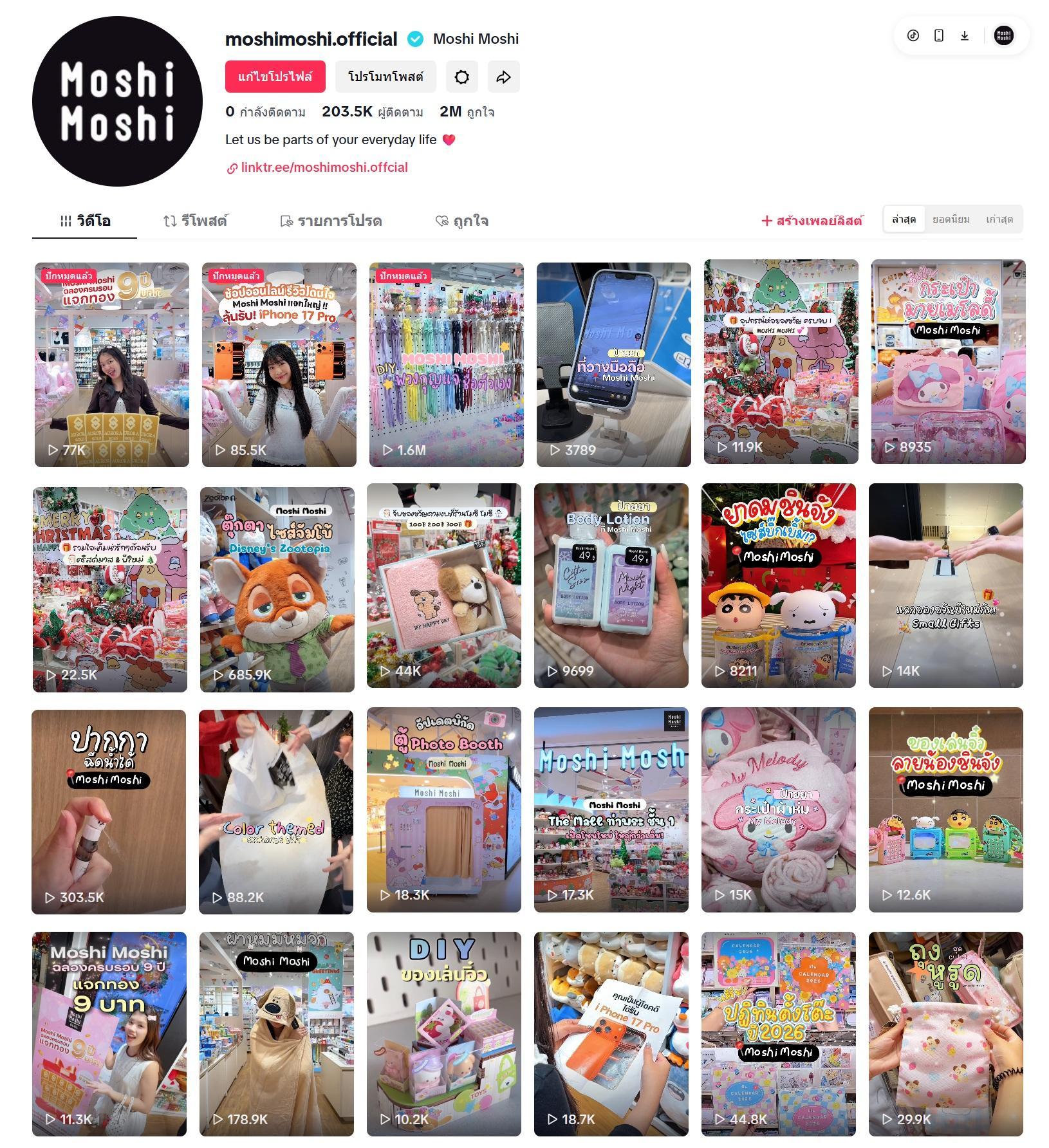
- Online Channels: These include advertising and public relations activities through social networking platforms, as well as product reviews conducted by Key Opinion Leaders (KOLs) through platforms such as TikTok and Facebook. The Company also focuses on producing content more frequently to promote products and marketing campaigns, ensuring that information and updates reach customers on a continuous basis. In addition, the Company develops content that highlights featured products to make them more attractive and engaging to customers. In addition, The Company also organizes live streaming activities to sell products through its e-commerce channels, which helps stimulate sales while creating real-time engagement with customers. Another important strategy is communication through the LINE Official Account, where the Company conducts LINE Broadcast campaigns using personalized marketing. This approach enables the Company to deliver messages and promotional offers tailored to the interests and purchasing behavior of specific customer segments. As a result, customers can conveniently receive updates on news, new product collections, and promotional discounts through the Company’s primary social media channels under the “Moshi Moshi Official” platform across all major platforms.
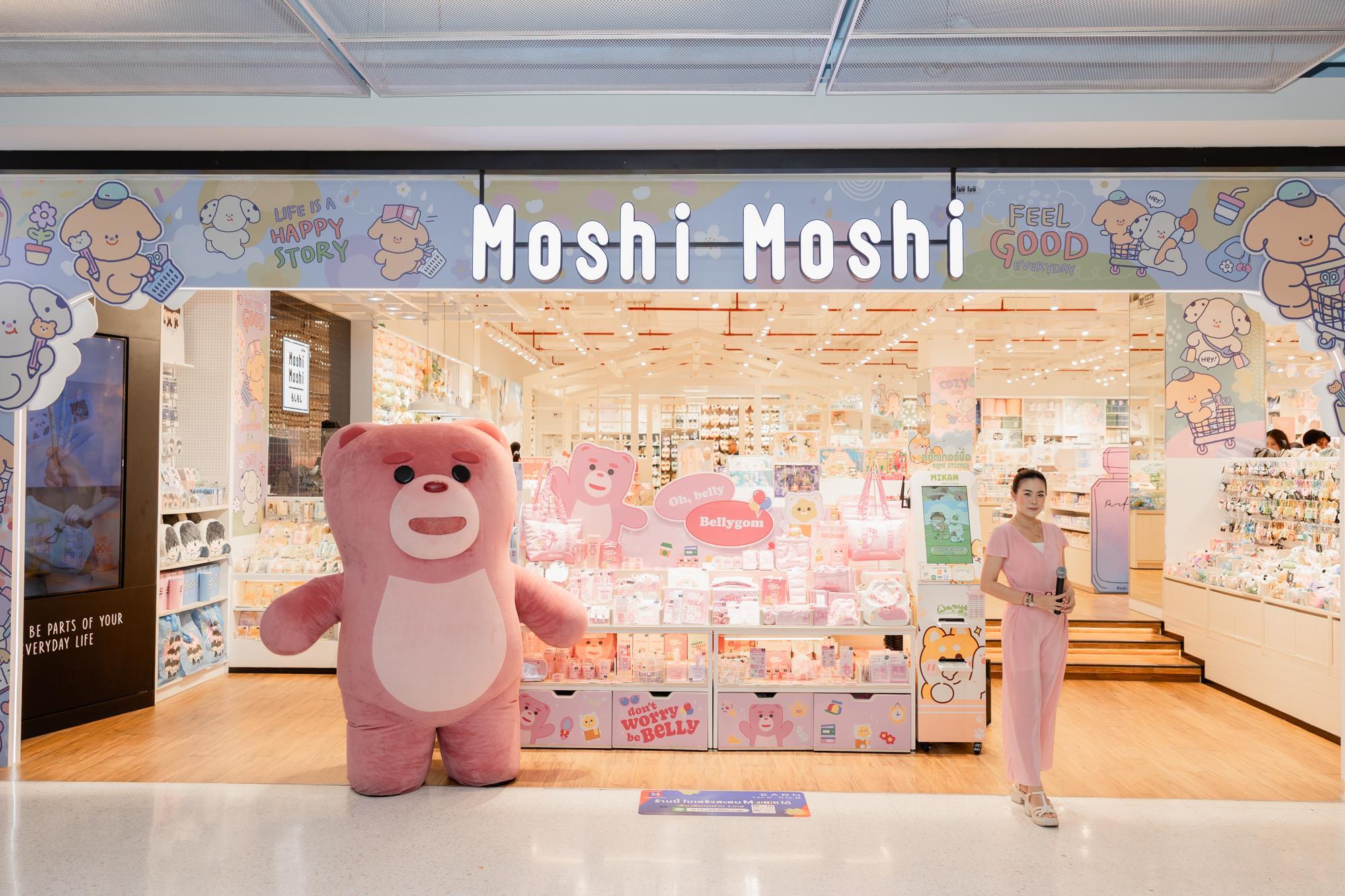
- Offline Channels: The Company selectively utilizes offline media that align with the objectives of specific activities and target locations. Examples include setting up promotional booths at events that attract the Company’s target audiences, such as areas near concert venues. The Company may also engage a master of ceremonies (MC) to promote products, introduce the brand, and invite customers to visit and browse products in-store while providing information on special promotions. These activities are particularly implemented during new store openings or major festive periods in order to create a lively atmosphere and maximize brand awareness within the surrounding area.
3.2 Marketing Activities: The Company organizes a variety of activities to enhance customer engagement and continuously strengthen brand awareness. These activities are designed to align with the interests and lifestyles of the Company’s target audiences. Examples include the following:
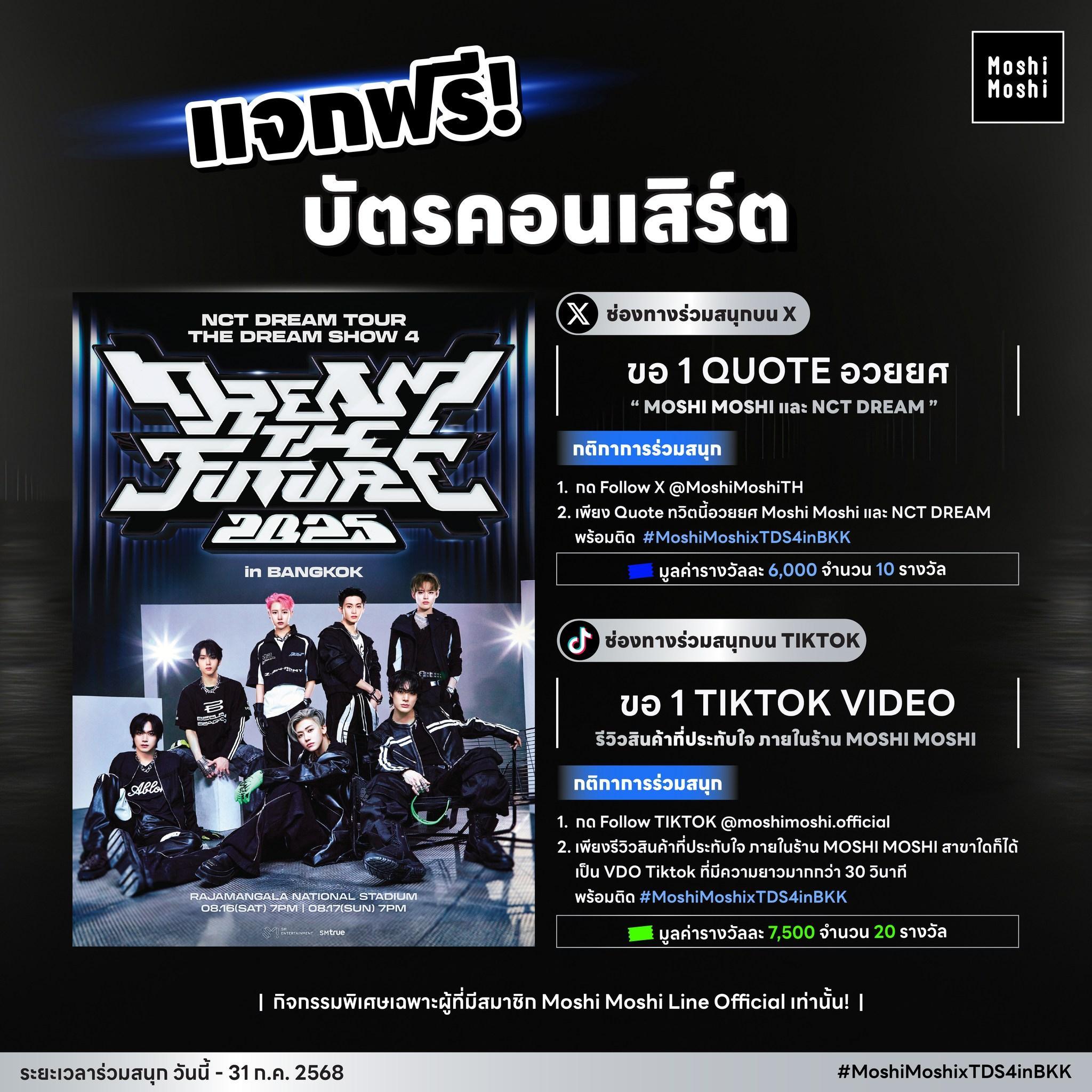
- Lucky Draw and Prize Campaigns: Activities such as lucky draws for concert tickets of popular artists or opportunities to win gold prizes are organized to attract customer interest while also rewarding customers for their support.
- User Generated Content (UGC) Campaigns: The Company encourages customers to create and share content based on their real experiences with the products. Campaigns are organized through social media platforms, such as inviting customers to participate in activities including product unboxing reviews, following the Company’s TikTok channel and leaving comments to join promotional campaigns, or sharing campaign posts for a chance to win prizes.
These activities are primarily aimed at generating viral marketing effects through content created by real customers. Such initiatives help enhance credibility, increase brand awareness, and foster long-term brand loyalty.
3.3 Expansion of Target Customer Segments
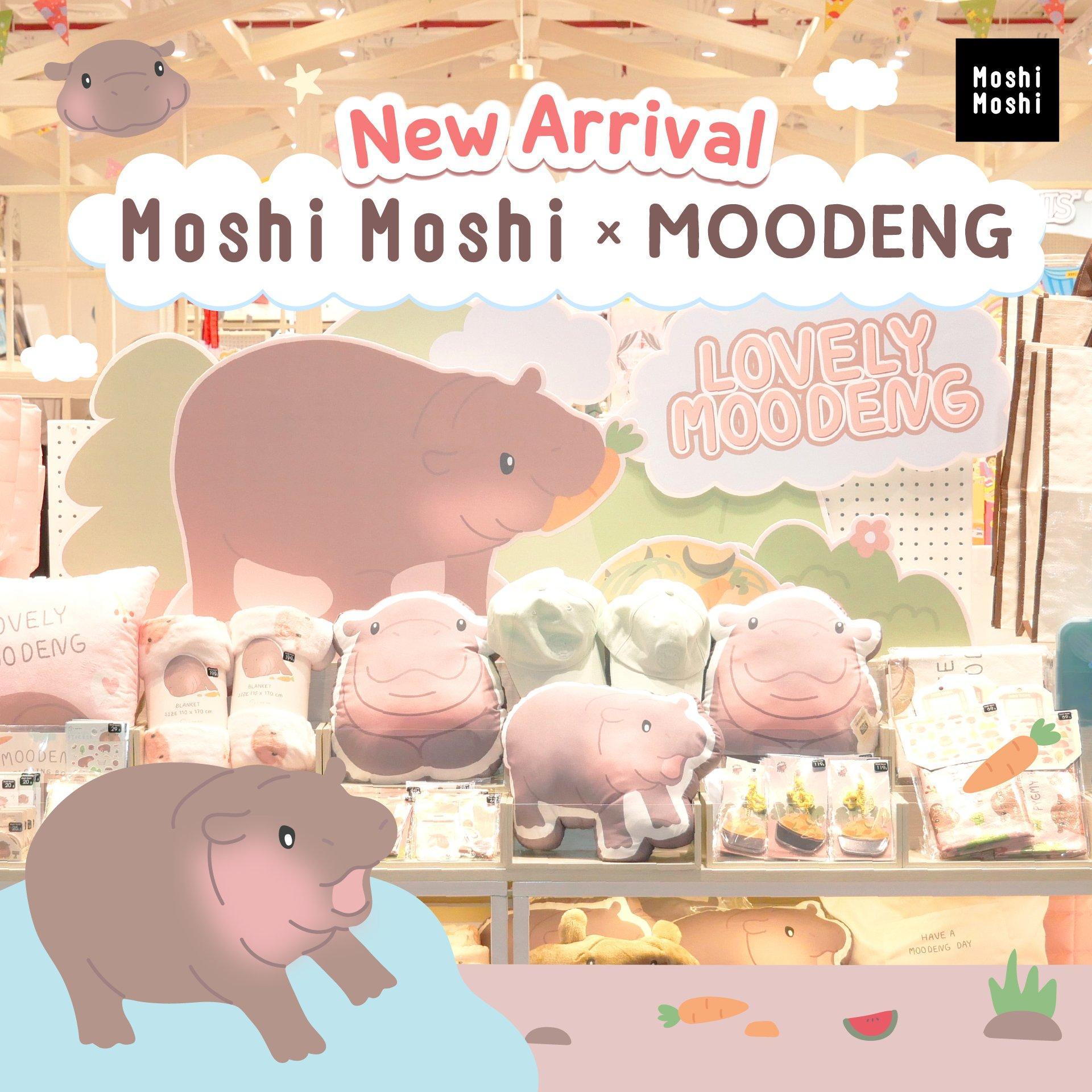
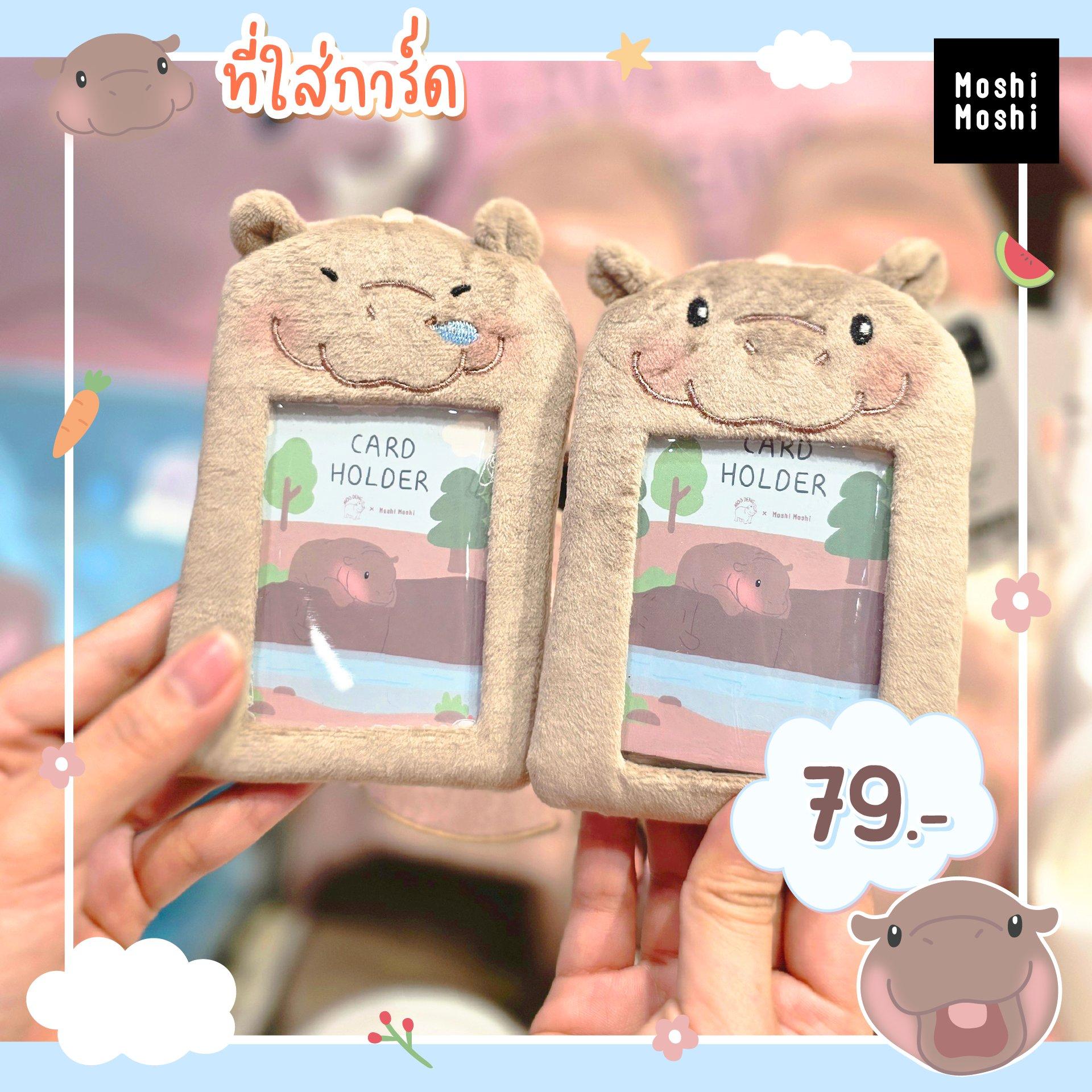
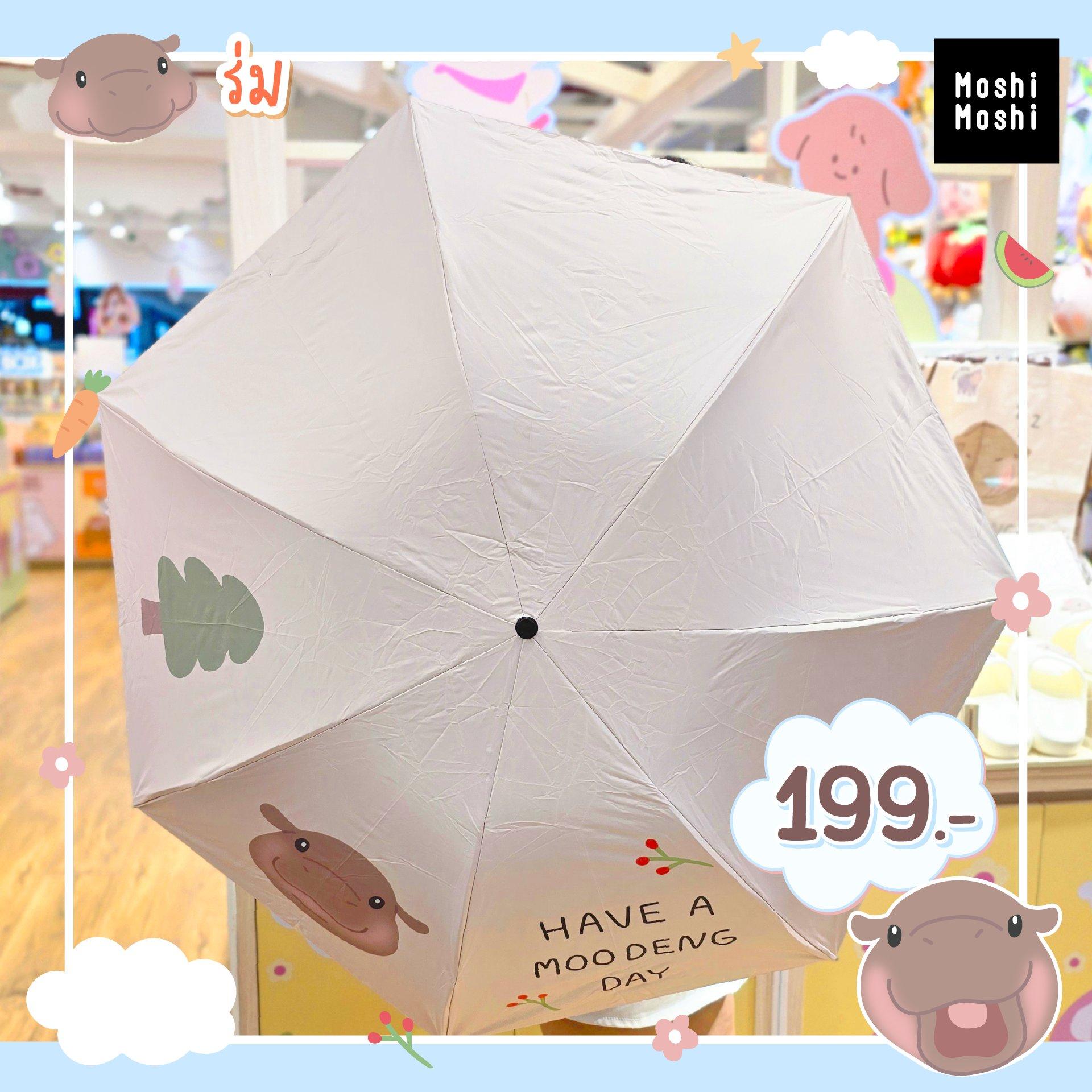
The Company implements collaborative marketing strategies by partnering with business partners or intellectual property owners that share similar target customer segments. Through such collaborations, the Company jointly develops special product collections (Special Collections), such as the “Moo Deng” collection. These collaborations effectively generate excitement and attract consumer interest. They also contribute positively to the Company’s brand image by reinforcing its ability to stay aligned with current trends, while effectively driving sales through the introduction of unique and limited-time product offerings.
3.4 Enhancing Customer Loyalty through Customer Relationship Management (CRM)
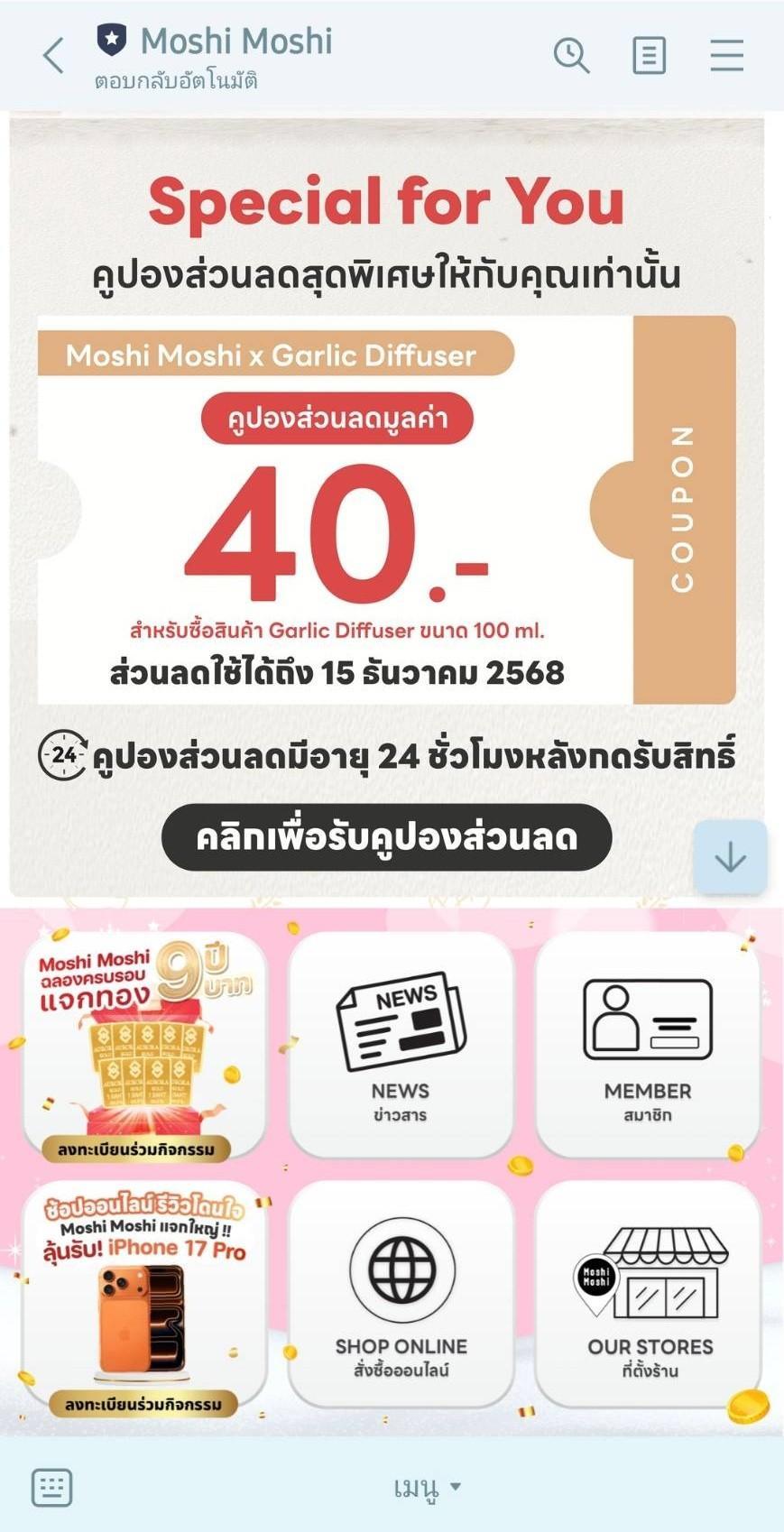
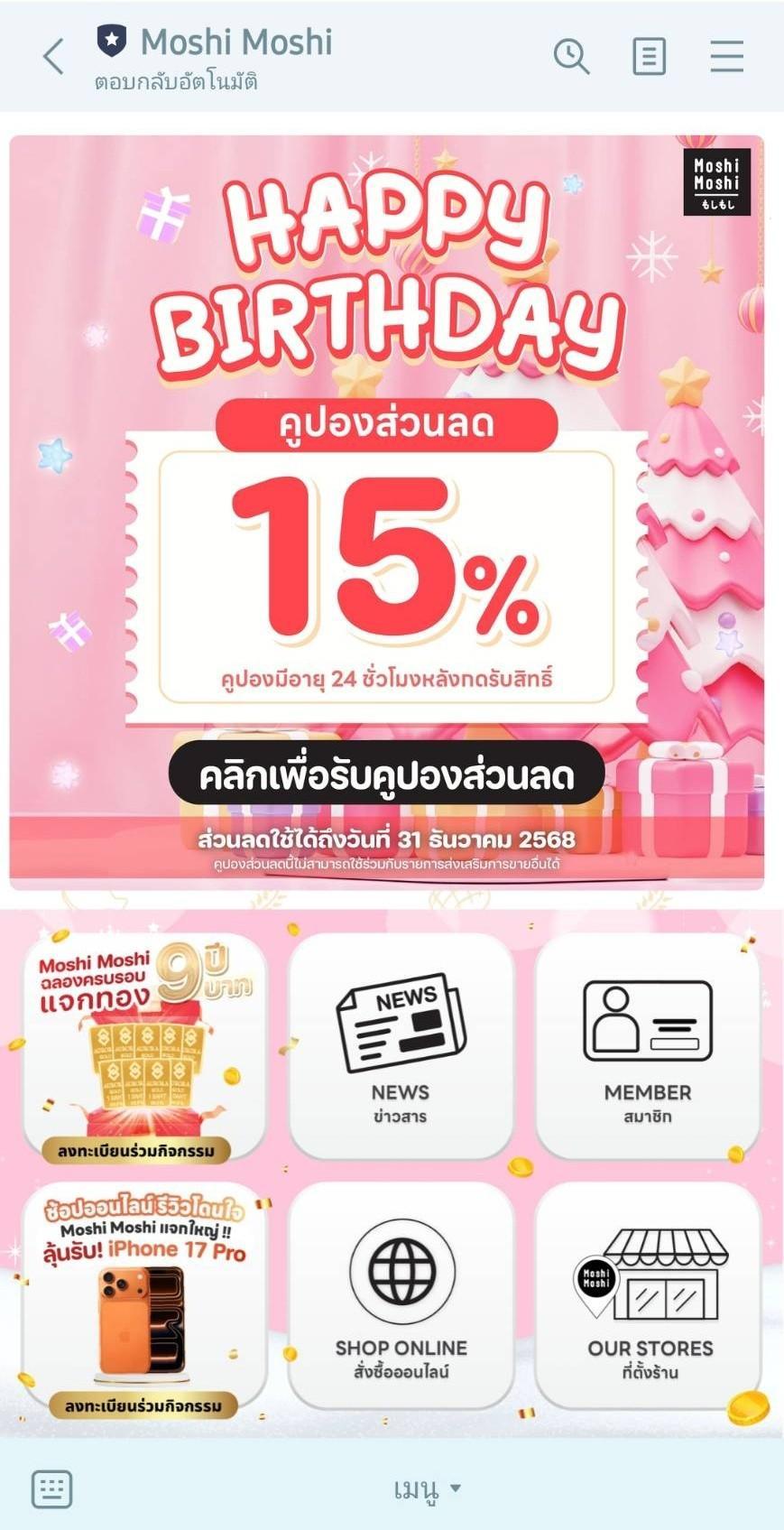
The Company is committed to maintaining its customer base and building long-term relationships with customers. To achieve this, the Company has developed a customer relationship management system through a membership program for its retail channels. The primary objective of this program is to strengthen customer engagement and foster brand loyalty, which will lead to repeat purchases and sustainable sales growth. To maximize the effectiveness of the membership program, the Company offers exclusive benefits designed to create a positive experience for members. These benefits include member-only promotions and point accumulation programs that can be redeemed for discounts. Such initiatives allow customers to recognize the value and advantages of being part of the brand.
In addition, the Company implements personalized marketing communications, enabling it to deliver relevant information, product recommendations, and promotional offers that align with the interests and lifestyles of its members. This approach helps increase the likelihood of purchase decisions while enhancing overall customer satisfaction.
3.5 Sales Promotion
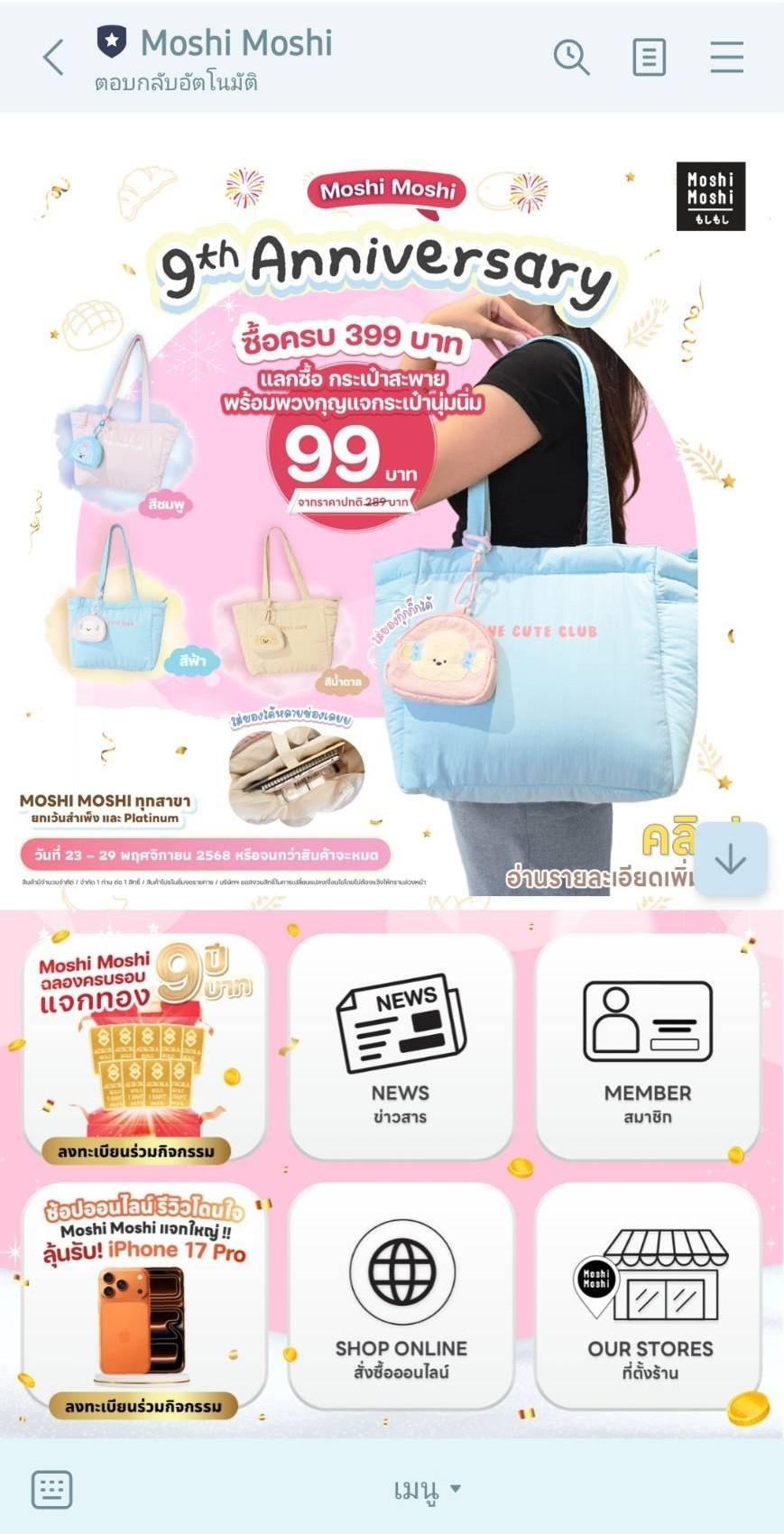
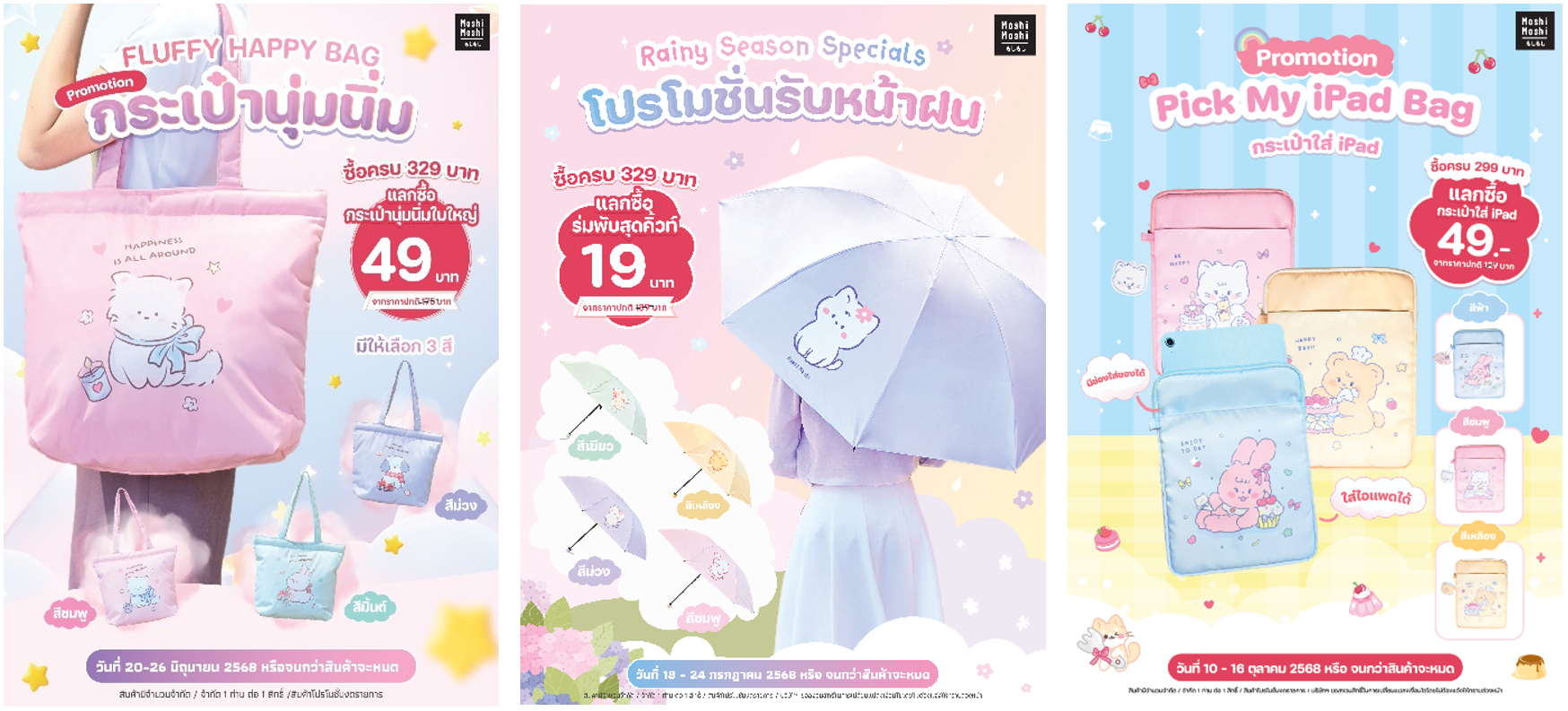
- The Company continuously implements various sales promotion activities to stimulate sales and encourage purchasing decisions. These promotions take various forms, with particular emphasis on premium redemption programs, which are designed to increase the average transaction value while delivering greater value to customers. Such initiatives help attract customer interest, encourage store visits, and foster long-term customer satisfaction.
Industry & Competition (Overall)
In 2025, the lifestyle retail industry continues to operate in a rapidly changing environment, with increasingly diverse consumer behaviors and a continuous rise in online purchases. Concurrently, expectations for in-store experiences still play a significant role in influencing purchasing decisions.
Although purchasing power in some areas is still recovering, major tourist cities tend to improve with the expansion of the tourism sector. This allows businesses to access a wider range of customers, including both domestic and international tourists.
Regarding the competitive structure, existing market players are accelerating strategy development to accommodate market changes, such as increasing the frequency of new product launches, offering niche collections, and utilizing digital media and social media to enhance customer engagement. Concurrently, the market also sees numerous new international players, including sellers on e-commerce platforms that complement consumer choices.
This overview reflects intense competition in terms of quality, which fosters the development of innovative products, store formats, and customer experiences. These are crucial factors for creating differentiation and sustainable growth opportunities in the lifestyle retail industry.
In 2025, the Office of the National Economic and Social Development Council (NESDC) reported that Thailand's economy grew by 2.4% compared to the previous year, a slight slowdown from the 2.9% growth in 2024. The slowdown in the Thai economy last year was attributed to a deceleration in private and public sector spending. However, the economy continued to receive significant support from consistently high export growth, aligning with the renewed expansion of private investment and accelerated growth in public investment.
This year's economic expansion reflects several supporting factors, including household spending, government investment, and government policies aimed at stimulating consumption and investment. These contribute to strengthening economic growth stability amidst a volatile global economic context. As a result of these factors, retail businesses must focus on adapting through both technology utilization to enhance efficiency and customer experience development that can accommodate both online purchasing behavior and in-store visits, to support changing growth this year and in the years to come.
Competition in 2025 is expected to intensify and can be categorized by the following aspects:
1. Product Competition
Current consumer behavior places greater emphasis on novelty, value for money, and designs that reflect personal identity. This necessitates lifestyle retail businesses to continuously adapt their product development strategies, including offering licensed products, niche collections, and lifestyle products that integrate functionality with design.
The Company creates a competitive advantage through a strategy of regularly rotating product collections, while offering products that align with market trends and demands, such as fashion items and daily necessities emphasizing unique, accessible, and appealing designs. This also includes offering specialized design products in certain branches to create product differentiation and enhance the shopping experience in a market with diverse choices.
2. Price Competition
Consumers continue to prioritize value for money, making pricing a crucial factor in competition, especially for small businesses and online stores that have flexibility in adjusting prices.
The Company leverages cost management and increased order volumes to maintain competitive pricing capabilities, even amidst fluctuating import and shipping costs. It also implements flexible promotional strategies, such as monthly online promotions, member redemption privileges, and seasonal sales campaigns, which effectively attract new customers and retain existing ones during periods of intense competition and branch expansion.
3. Branch Expansion
Branch expansion is a key growth strategy of the Company. As of December 31, 2025, the Company operated a total of 202 branches across 68 provinces nationwide. Moshi Moshi serves as the Company’s core brand with 196 branches. Additionally, there are 4 Garlic stores, 1 Giant store, and 1 The OK Station store.
In 2025, the Company opened 38 new branches, reflecting its continued expansion, with a primary focus on growth through the Moshi Moshi brand. This network expansion has enhanced customer accessibility, strengthened brand awareness, and increased the Company’s bargaining power with suppliers. As a result, the Company is better able to manage costs effectively and offer quality products at competitive prices.
4. Customer Experience
The Company recognizes that customer experience is a crucial mechanism for creating competitive advantage. Therefore, the focus is on enhancing store image through modern and uniquely distinctive decoration concepts to create an atmosphere that promotes satisfaction and aesthetic pleasure in product selection. This not only attracts target groups but also creates impressions that lead to repeat business (Customer Retention).
Industry Overview
1. Industry Conditions
Thailand's economy in 2025 expanded by 2.4% when compared to the previous year, it slowed down slightly compared to the 2.9% in 2024. The slowdown in the Thai economy last year was attributed to a deceleration in private and public sector spending. However, the economy continued to receive significant support from consistently high export growth, aligning with the renewed expansion of private investment and accelerated growth in public investment.
The main reason for Thailand's unexpectedly high economic growth this year, from an initial estimate of approximately 2.0-2.2% stemmed from an unexpected expansion in Q4, where GDP grew by 2.5% YoY, driven by 'investment and construction' from both public and private sectors, which expanded much more strongly than anticipated. Private investment in Q4 grew by as much as 6.5%, particularly construction, which expanded by 11.2% from a 4.5% decrease in Q3/2025. Meanwhile, public construction investment also saw high growth of 15.6% due to accelerated disbursement of investment budgets and small-scale economic stimulus project budgets.
The Office of the National Economic and Social Development Council (NESDC) projects that Thailand’s economy in 2026 will expand within a range of 1.5-2.5%, with a midpoint estimate of 2.0%. The growth is expected to be supported by the continued expansion of private consumption and private investment, government spending, the recovery of the tourism sector, and increased agricultural output. However, Thailand’s economic growth still faces several constraints and risks, including U.S. trade protection measures, the slowdown of the global economy and international trade, as well as the persistently high level of private sector debt. In addition, at the beginning of 2026, tensions and conflicts in the Middle East, particularly those involving Iran, have created volatility in the global economy through energy prices, transportation costs, and financial markets. These developments may lead to higher energy and transportation costs and could also affect overall economic confidence.
Thai economic agencies assess that if the conflict were to prolong and cause a significant increase in global oil prices, Thailand’s economic growth in 2026 could be revised downward to approximately 1.3-1.6%. In this regard, the Bank of Thailand continues to closely monitor the situation, as rising energy prices may affect inflation, production costs, and consumers’ purchasing power in the period ahead.
The anticipated slowdown of the Thai economy towards the end of the year 2025 and 2026 are impacted by US trade measures, moderate personal consumption, constraints from high household debt, and sluggish investment, as well as the major flood situation in southern Thailand, particularly in the economic and tourist areas of Songkhla province in late November 2025. This caused significant disruption in several economic sectors, with tourism expected to be severely affected after Malaysian tourists, a key demographic, canceled all travel to southern Thailand for safety reasons. Other risk factors include global uncertainties, weaker-than-expected tourism, and Thai political fragility.
However, the economy in late 2025 continued to be driven by public spending during festive seasons and the "Half-and-Half Plus" project before its conclusion, as well as policies to reduce interest rates to 1.25% and lower fuel prices, which helped alleviate short-term costs and living expenses.
2. Overview of the Retail Industry in Thailand
In 2025, Thailand's retail industry showed clear signs of fragility and weakened purchasing power, especially towards the end of the year. Survey results from the Thai Retailers Association in collaboration with the Bank of Thailand, along with insights from an article in Thansettakij, reflect an overall picture that did not align with seasonal expectations or market forecasts, as follows:
In December 2025, the Retail Sentiment Index (RSI) decreased from November and hit a four-year low for December. This contrasts with the behavior observed during 2022-2024, when the index typically rose in the last month of each year, indicating that market purchasing power has not strongly recovered, even during the year-end festive season when sales are usually higher than other months.
Although some sales figures from the Same Store Sales Growth (SSSG) confidence index will show a slight increase, but spending per bill will significantly decrease, and shopping frequency will only slightly increase. This reflects a consumer base that is more cautious in spending and only purchases essential items, with a greater tendency to wait for promotions or discounts before making a purchase compared to previous years.
Another key factor linked to this situation is the issue of political stability, with the dissolution of parliament announced earlier than expected. This led to a halt in consumer planning and spending, as well as the conclusion of the "Half-and-Half Plus" and "Travel well, get a refund" projects, which previously stimulated spending. Consequently, by the end of the year 2025, retail spending did not increase as anticipated and significantly decreased compared to the previous year.
Furthermore, the overall retail industry in 2025 also reflects other challenging factors, including persistent fierce price competition and consumer behavior demanding greater value for money. This necessitates businesses to implement more intensive sales promotions or campaigns than before to maintain market share. Even with government spending support measures at the end of the year, they were insufficient to clearly reverse the trend positively.
Overview of the retail industry in Thailand in 2025, it can be concluded that it was a year where businesses faced pressure from the overall economic situation, weak purchasing power, and socio-political structural factors. This reflects a fragile market condition, serving as a warning that the recovery of this retail industry is still fraught with uncertainty and requires close monitoring into 2026.
3. Analysis of Thailand's Lifestyle Retail Industry
3.1 Definition and Industry Segmentation
Grocery-Based Retailers: These retailers primarily focus on the sale of food and beverages (F&B), while also offering certain lifestyle products (such as clothing and travel bags) and consumer goods (such as stationery and toys).
Specialty Retailers: These retailers focus on selling a specific category of products or a limited range of product types. Examples include apparel and footwear, health and beauty products, electronic devices and electrical appliances, as well as hardware and electrical equipment.
Other Retail Channels: This category includes retailers that operate without physical storefronts, conducting sales through direct selling channels (such as television shopping and door-to-door sales) or exclusively through online platforms (such as websites, online marketplaces, or mobile applications).
Variety Retailers: These retailers offer a broad assortment of product categories. This segment can be further classified into department stores, lifestyle retail stores, and other variety retailers. In particular, lifestyle retailers focus on offering a wide range of everyday consumer products, such as cosmetics and skincare products, bags and fashion accessories, small electronic devices (e.g., electronic accessories), home decoration items, textile products, clothing, toys, stationery, and other daily consumer goods.
The Company is one of the leading lifestyle retailers in Thailand. Since the opening of its first branch in 2016, the Company has offered a diverse product portfolio, including home goods, bags, stationery, beauty accessories and cosmetics, fashion products (such as shoes and hair accessories), snacks, IT accessories and small mobile phone accessories, apparel, plush toys, pet products, toys, and other related product categories.
3.2 Industry Drivers
1) Changes in Consumer Demographic Structure
Over the past decade, Thailand's demographic structure has significantly changed, requiring the retail business landscape to adapt accordingly. Understanding these changes is crucial for businesses to formulate strategies and maintain competitiveness in a rapidly evolving market.
Thailand has faced demographic structural changes, with fewer births than deaths, continuously since the year 2021. In 2025, the number of newborns was 416,574, a significant decrease from 462,240 in 2024, marking the second consecutive year below 500,000 and the lowest birth rate in over 75 years. This demographic crisis will be another factor pressuring Thailand's economic growth, stemming from three main risks: labor shortages, a declining consumption trend due to fewer working-age individuals with net income, and increasing elderly populations with less purchasing power, as well as rising fiscal burdens from both income and health welfare.
Thailand is rapidly transitioning into an aging society. Data from the Office of the National Economic and Social Development Council (NESDC) projects that by the year 2025, Thailand's population aged 60 and above will account for 20% of the total population, signifying a complete aging society. This phenomenon necessitates multi-dimensional adjustments for retail businesses, including designing age-friendly store spaces, developing health and self-care products, and providing more efficient home delivery services.
Concurrently, the average household size in Thailand has been continuously shrinking. Data from the National Statistical Office indicates that the average number of household members decreased from 3.14 people in 2019 to just 2.35 people in 2022. This change directly impacts consumption behavior, with increasing demand for small-sized products, packaging for 1-2 people, and ready-to-eat meals. Consequently, convenience stores have become more popular.
The increasing urbanization in Thailand is another significant factor affecting the retail business. The proportion of Thailand's urban population increased from 34.2% in the year 2022 to 54.3% in 2024 (Department of Provincial Administration). Urban growth brings opportunities for retail store expansion in new and secondary cities. Concurrently, the fast-paced urban lifestyle has led to rapid growth in food and product delivery services.
Furthermore, the growth of the middle class in Thailand has significantly impacted the retail market. The average household income in Thailand has increased from 26,900 baht per month in 2013 to 29,030 baht per month in 2023. This increase in purchasing power leads consumers to tend to buy high-quality products and seek differentiated shopping experiences. Gen Z consumers, born between 1997-2012, also significantly influence the retail business. This group grew up with digital technology, spending an average of over 12 hours online per day (Electronic Transactions Development Agency, 2024), leading them to expect seamless digital experiences. They prioritize sustainability and business ethics, with 73% willing to pay more for sustainably produced goods (Nielsen Thailand, 2020). Additionally, Gen Z favors digital payments and is interested in Buy Now, Pay Later services. Retail businesses must adapt by developing strong online channels, demonstrating environmental stances, and creating impressive experiences rather than solely focusing on product sales.
Amidst rapid demographic changes, retail businesses face several adaptation challenges, including adjusting brands and products to meet the needs of diverse population groups, investing in technology, and developing new business models. Ultimately, retail businesses that can adapt to Thailand's changing demographic structure will be able to achieve sustainable growth in the future.
2) Consumers prioritize value for money
Increased urbanization has led to higher employment opportunities and contributed to elevating the living standards of people in society. The rise in minimum wage is also related to purchasing power and affects the behavior of the general public. As employees' incomes increase, the buying and selling of lifestyle products tend to improve, as consumers opt for products that offer financial value and are more modern. Over 70% of consumers in Thailand consider "value" a crucial factor when making purchases. Customer groups who often seek good deals, especially those in rural areas who deliberate carefully before making a purchase, will desire the best offers for products and often seek affordable, quality products with prices that align with their true value. This emphasis on increased value has become a significant factor in the growth of the lifestyle retail industry.
3) Influence of diverse and transnational cultures on consumer behavior
Thai teenagers view product design as a primary factor leading to purchases. Regarding product perception, this demographic believes that Japan and South Korea are leaders in diverse and lifestyle-oriented products. Packaging design also effectively attracts customer attention. Consumers knowledgeable in this product group have prompted lifestyle retailers to re-evaluate their sales strategies. If a company fails to capture market trends, it will lose significant market share.
4) Increased sales through online channels are a significant driver of Thailand's lifestyle retail market.
Over the past year, lifestyle product sales through online channels have significantly increased. Lifestyle retailers have been selling products via online marketplaces (Portal Web), as well as driving strategies to integrate both online and offline sales channels, or the Omni-Channel Model. This helps lifestyle retailers maintain a high-quality, seamless, and convenient customer experience. Furthermore, it provides retailers with in-depth understanding of how to create content and offers that stimulate greater customer engagement in product selection (not just online but also in physical stores). Additionally, lifestyle retailers in the market have increased product sales through online channels and have leveraged factors such as significantly increased internet penetration and smartphone usage within the country, leading to more online product offerings. Factors such as the COVID-19 pandemic, a rapidly expanding female workforce, and fast-paced lifestyles have reduced consumer demand for in-store purchases. Consequently, consumers are increasingly turning to online channels for consumer goods and lifestyle products. Thus, online distribution channels represent a cost-effective option for these retailers to sell their products.
5) Social media-driven purchasing decisions
Social media planning for lifestyle products plays a crucial role in increasing both in-store and online sales, strengthening customer relationships, shaping brand identity, and expanding customers’ share of spending. Considering the number of social media users in Thailand, it is evident that social media has become highly significant for lifestyle retail businesses. These platforms continue to gain new users every day and reach people across almost all age groups. Consumers increasingly prefer to engage with and learn about brands through their preferred social media platforms, and purchasing decisions among these consumer groups are often influenced by other social media users. Lifestyle retailers have therefore developed a better understanding of leveraging Key Opinion Leaders (KOLs) to attract target customers, as well as Key Opinion Consumers (KOCs) who create User Generated Content (UGC) through social media platforms such as Instagram. Investment in content creation and social media engagement is gradually replacing traditional media strategies used for information search. This shift helps accelerate brand building and drive sales growth. In particular, video content and social media posts—especially short-form videos—continue to transform the way users search for and consume information. As people’s lifestyles become more diverse, users tend to prefer concise and easily accessible content formats that can be consumed quickly.
TikTok is a popular social media application that allows users to create and share videos ranging from 15 seconds to 10 minutes. The application also features sound effects, short music clips, and filters to enhance video appeal. Users can discover videos as the application provides clips based on their interests on the first feed, covering categories from singing, selling, and challenges to DIY techniques and makeup tutorials. Currently, approximately 42.9% of TikTok users in Thailand are aged between 18-24. Many companies use TikTok as a channel to demonstrate new products and introduce new promotions/marketing campaigns to their core consumers.
X is a social media platform that has gained popularity and created new opportunities for lifestyle retailers. X users typically post information related to news, entertainment, sports, politics, and more. The main factor differentiating X from other social media applications is its emphasis on real-time information posting, which is currently trending and popular, and its 280-character limit. This has led many companies to use X as an additional customer service channel.
As the majority of the Thai population, from mid-teenagers to seniors, can access these social media platforms, it presents a new opportunity for fashion retailers to connect with, reach, and ultimately introduce new products to their target demographics.
6) Interest in the identity and design of lifestyle products
Regarding product variety, lifestyle retailers offer diverse product categories with different colors and designs, which attracts customers and encourages repeat purchases. Product style and quality positively influence brand loyalty, as the products sold by these retailers feature cute, trendy, and modern designs, and utilize high-quality materials. Additionally, some retailers also source products under collections of various product categories, such as stationery collections and doll collections, which will enhance customer loyalty to the products.
Recently, many customers have shown a preference for licensed products and are likely to continue purchasing such products in the future. It is anticipated that many customers will choose licensed products over general items they previously favored. Licensed products help stores gain recognition and add value to their offerings, presenting a significant opportunity to stand out from competitors and establish a distinct brand identity in the long term. When these stores sell licensed products, especially those from renowned companies like Disney, Marvel, Sanrio, Cartoon Network, and others, lifestyle retailers also benefit from the popularity of these companies.
7) Government Policies Affecting Lifestyle Retailers
The Easy E-Receipt 2.0 measure, from January 16 to February 28, 2025, is a crucial mechanism for short-term economic stimulus. It accelerates consumer spending decisions within a limited timeframe and sparks competition across all retail sectors, including department stores, restaurants, convenience stores, and specialty shops, all of which are launching intensive promotions and campaigns to attract customers. This results in increased money circulation in the economic system without direct government budget expenditure. Concurrently, it helps push stores into the e-Receipt and e-Tax Invoice systems, enhancing tax transparency and laying the foundation for a long-term digital economy.
Additionally, the government's "Half-and-Half Plus" measure during November-December 2025 is considered a crucial mechanism for stimulating short-term purchasing power. It is expected to support Thailand's GDP growth in 2025 by approximately 0.1-0.2% compared to a scenario without the project, generating over 44-84 billion baht in circulation from approximately 10-20 million participants. This will invigorate the grassroots economy and significantly alleviate the cost of living burden for the public at the end of the year. Although this measure primarily focuses on spending in small retail stores and consumer goods, it may not directly positively impact the lifestyle retail business. However, The increase in liquidity and money circulation in the economic system contributes to boosting consumer confidence and stimulating overall spending in the retail market. This indirectly impacts the business sector as a whole, including lifestyle product businesses, through a recovering consumption atmosphere and increased economic activity during that period.
From the survey results, the Retail Sentiment Index (RSI), compiled by the Thai Retailers Association in collaboration with the Bank of Thailand, showed that the overall index for Q4/2025 (October-December 2025) remained above 50 points, particularly with high confidence in October, and a slight decrease in December to approximately 57.2 points, still reflecting overall positive sentiment among retailers.
Furthermore, the government is proceeding with import tax restructuring (Import Duty & VAT) to create fair competition. In 2025, a 7% Value Added Tax (VAT) will continue to be collected on all imported goods with a value of 1 baht or more (previously exempt for values not exceeding 1,500 baht) to close the price gap for low-value imported goods from cross-border platforms. Concurrently, the exemption from import duties (Customs Duty) for goods priced under 1,500 baht will end on December 31, 2025, and import duties will begin to be collected on all goods from January 1, 2026, onwards. These measures reflect the government's policy direction to protect domestic retailers, reduce competitive disparities, and bring the entire trade system into a fairer and more sustainable tax structure.
8) Thailand's tourism sector remains one of the key drivers of the lifestyle retail market.
Although tourism had strongly recovered earlier, following the relaxation of COVID- 19, and had reached over 35 million international tourists in 2024. However, in 2025, Thailand's tourism sector faced significant pressure and slowdown, with the total number of international tourists for 2025 at approximately 32.97 million, a decrease of about 7.23% compared to the previous year, and a corresponding reduction in total tourism revenue.
Key factors contributing to the slower recovery of tourism in 2025 include the recovery of Chinese tourists not yet returning to pre-COVID levels, which was a major market for Thailand, and slowing global economic factors, such as reduced purchasing power among certain traveler groups, leading to a slowdown in lifestyle product spending by international tourists (The Standard, 2026). While overall international tourist numbers have decreased, changes in the tourist market structure also affect spending patterns. Growing markets, such as tourists from Europe and India, tend to spend on mid-to-high-end products, which helps alleviate price pressure and stimulate spending in certain retail categories, even if the total volume does not match previous years.
For the lifestyle retail sector, a slowdown in tourism means reduced impetus from international tourist spending. This may compel businesses to rely more on domestic purchasing power and to design products and services that cater to both Thai consumers and high-income tourists, in order to compensate for reduced revenue from international markets.
In summary, although the tourism sector remains a key driver of spending in the lifestyle retail market, the decline in the number of international tourists and tourism-related revenues in 2025 led to a slowdown in this momentum. As a result, retail operators have had to adjust their product strategies, customer experiences, and sales channels to align with the changing income structure of both tourists and domestic consumers.
9) Creating Sustainability and Added Value in Lifestyle Retail Business
Concept ESG (Environmental, Social, Governance) remains a clear strategic factor shaping the growth direction of Thailand's lifestyle retail business in 2025. Data from the Stock Exchange of Thailand indicates that retail companies with ESG scores in the Top Quartile had an average return rate 13.8% higher than the industry average in 2025 (Stock Exchange of Thailand, 2025). Meanwhile, a consumer survey by Deloitte Thailand found that 71% of Thai consumers prioritize brands with clear ESG policies, and 57% are willing to pay higher prices for products and services from businesses that are socially and environmentally responsible (Deloitte Thailand, 2025). This reflects that ESG has become a consumer purchasing decision factor rather than merely a corporate image.
In the environmental dimension (E) Lifestyle retailers are accelerating the development of environmentally friendly products and packaging, such as recycled materials, biomaterials, and long-lasting products, to reduce the carbon footprint throughout the supply chain. In the social dimension (S), businesses prioritize generating income for local communities and producers, with collaborative projects between lifestyle brands and communities generating over 980 million baht in total revenue in 2025, a significant increase from the previous year (Department of Community Development, 2025). In terms of governance (G), businesses are increasing disclosure of supply chain information and adopting digital systems to ensure transparency and anti-corruption policies.
A report from the Thai Retailers Association further indicates that lifestyle retail businesses integrating ESG into core organizational strategies showed an online sales growth rate among consumers aged 18-35 that was 38% higher than competitors in 2025 (Thai Retailers Association, 2025). This underscores that ESG is not merely a sustainability tool but a crucial mechanism for creating added value and competitive advantage for lifestyle retail businesses in the long term.
Industry Risk Factors and Challenges
1. Thailand's Economy Experiences Slowed Growth
In 2026 is poised to be another year where the Thai economy faces multifaceted pressures, including a slowing global economy, trade protectionist policies from major powers, as well as domestic structural fragilities and post-election political uncertainties. These factors may lead Thailand's economy in 2026 to be a year of stabilization rather than accelerated growth. The slowing economic conditions may cause consumers to be more cautious in their spending, especially on non-essential goods, leading to a tendency for customers to reduce their frequency of visits or spend less time shopping. Furthermore, this situation may also lead to a decrease in foot traffic in department stores and shopping centers, impacting the overall spending atmosphere and intensifying competition within the retail market.
2. Price Competition from Both Competitors and Online Platforms
Price competition is one of the significant risk factors for the retail business, as the number of market players has increased, both in traditional retail formats and online channels. This provides consumers with easy and quick options to compare product prices. Such convenience leads customers to tend to shift their purchasing behavior to channels offering better value. Therefore, business strategies focusing on unique and exclusive product designs are factors that retailers should prioritize.
3. Increased operating expenses
The rising minimum wage in Thailand, coupled with increased labor costs in product-importing countries and higher fuel and transportation costs in Thailand, are just some of the factors affecting lifestyle retailers' expenses. While increased operating costs may reduce lifestyle retailers' profits, players with a large number of stores may leverage economies of scale (Economies of Scale) more, which will give lifestyle retailers higher competitiveness and profitability compared to lifestyle retailers with fewer stores.
4. E-commerce Expansion and Online Channel Competition
Thailand's e-commerce market continues to grow strongly, even amidst an economic slowdown. In 2025, the value of Thailand's e-commerce market expanded by over 14% to approximately 1.1 trillion baht, reflecting continuous consumer acceptance of online purchases. Major platforms such as Shopee, Lazada, and TikTok Shop played significant roles in driving this growth (Nation, 2025).
The growth of online channels stems from several key factors, including shopping convenience, easy price comparison, promotions, and fast delivery, as well as the use of social media for product discovery and purchase decisions. Many Thai consumers prioritize online shopping in their daily lives, whether for consumer goods, apparel, or lifestyle-related products (Digital report, 2025).
Nevertheless, the continuous growth of e-commerce also creates intense competition in terms of sales channels and pricing, which is significant for traditional retail businesses that still rely on in-store sales. The ability to offer a good online experience and connect with physical stores (Omni-channel) is therefore a factor that helps businesses effectively retain customers and address changing consumer behavior (DAAT, 2025).
For lifestyle retail businesses whose primary model remains physical stores, competition from online channels may not directly mean replacing in-store sales, but rather a shift in consumer behavior using digital channels for information search. This necessitates the Company to enhance online marketing tools, such as social commerce, online promotional activities, and database utilization for analyzing customer behavior, to drive store traffic and increase Conversion in both online online and offline.
5. Changes in Consumer Behavior and Digital Channels
A digital market trend report indicates that purchasing products through social media and online marketplaces is a primary behavior of Thai consumers. Relevant platforms play a crucial role in product purchase decisions, such as information search, product reviews, and continuous promotion updates. For lifestyle retail businesses, the inability to quickly and efficiently address online marketing needs will result in losing market share to digitally proficient sellers, which is a significant challenge requiring accelerated development of technology, databases, and systems.
6. Difficulty in Maintaining Customer Loyalty
With consumers having a wide array of channel and brand choices, lifestyle retailers face the challenge of building customer loyalty, especially among customers accustomed to online shopping. Retaining customers therefore requires experiential strategies, after-sales service, loyalty programs, and customized offers to meet specific group needs, ensuring consumers make repeat purchases and do not switch to competitors.
Barriers to Entry
1. Obstacles to gaining market share in a highly competitive market with diverse players.
The lifestyle retail market is a fragmented market with numerous players. Additionally, this industry comprises many retailers with branches nationwide. Due to the dispersed and highly competitive market environment, new entrants may find it challenging to gain market share. Furthermore, new players that lack strong branding, cost management, or comprehensive management systems will face obstacles in penetrating the market in terms of both market share and business sustainability, especially in product categories where numerous options already exist in the market, and may find it difficult to reach the break-even point, and achieve higher profitability than major players, due to increased costs of product distribution, employee training, and brand recognition, among others.
2. Fierce Price Competition and Challenges in Product Sourcing
This industry sells a wide range of products, including stationery, beauty and cosmetic products, and fashion items, among others. These products are often priced from low to mid-range to attract younger generations. Existing market players, especially large retailers, may have an advantage over newcomers as they can sell products at lower unit prices due to their relationships with manufacturers in the market and economies of scale which helps in setting competitive prices and reducing costs more effectively than new or small players. Furthermore, established market players with sustainable sales will have an advantage from economies of scale due to their relationships with multiple manufacturers. New players with lower sales volumes will face limitations in negotiating with manufacturers to achieve cost-effective product sourcing and bargaining power similar to existing players.
3. Access to strategic locations
Location is one of the most crucial factors in the retail business. Prime locations with high customer traffic are often secured by large retailers with strong bargaining power and good relationships with shopping mall owners. New businesses are therefore often pushed to choose less desirable locations or pay higher rents to compete with existing players. Data from Innovestx found that the overall retail industry in Bangkok still has a very high occupancy rate. Although there might be slight fluctuations due to economic factors, it remains at a consistently high level. Prime locations have an occupancy rate of up to 90%, with the year 2023-2026, retail space supply will increase slightly, but demand for space in prime locations generally remains strong, especially in areas connected to public transportation and central business districts. making it difficult for new businesses to enter. Additionally, Opening new stores in popular shopping malls often requires a lengthy review process. and department store operators will select tenants based on various factors, e.g., Retailer's reputation, Sales potential, and business scope, etc. Consequently, Finding suitable retail space in prime locations can be an obstacle for new brands. Additionally, Existing brands may negotiate longer lease terms and higher rental caps, which could make it more difficult and costly for new competitors to establish stores in shopping malls.
Key Success Factors
1. Store Design and Customer Experience
Successful lifestyle retail businesses often have a clear store design concept that reflects the brand image and creates an engaging shopping experience for customers. Key elements include product placement (Store Layout) that facilitates comfortable browsing, and the use of colors, lighting, and decorative elements consistent with the store's theme, which contributes to increasing dwell time and stimulating impulse purchases.
2. Efficient branch network expansion and expanding service areas nationwide
Lifestyle retailers operate in every province across Thailand. It can be observed that among lifestyle retailers, the majority are concentrated in Bangkok, while many players have also expanded their branches to other economic centers in the country, such as Chonburi, Chiang Mai, and Phuket. Operating nationwide, whether in major cities, suburban areas, or rural commercial districts, makes lifestyle products more accessible to customers. Furthermore, the business model for lifestyle retailers has proven to be highly scalable and flexible for various areas.
3. Management of Product Mix to align with market demand
Lifestyle retailers need to continuously select and rotate products to align with rapidly changing trends and consumer behaviors. Collaboration among purchasing, marketing, and product design teams plays a crucial role in developing products that excel in design, quality, and price, which will help increase the repeat purchase rate.
4. Ability to Catch Trends and Create Exclusive Products
Limited edition product launches or collaborations with licensed brands/characters are effective strategies to generate buzz and increase store traffic. Such strategies enhance the brand's modern image and differentiate it from competitors.
5. Digital Marketing and Social Media Strategies
Although primary sales may still come from physical stores, social media, such as TikTok, Facebook, and Instagram play crucial roles in building brand awareness and driving store traffic. Collaborating with KOLs, KOCs, and social media influencers helps expand reach to target customer groups. Integrated online-offline sales promotions, loyalty programs, and campaigns contribute to strengthening long-term customer relationships.
6. Leveraging Technology to Enhance Operational Efficiency
Successful retailers utilize systems such as Modern POS, digital payment systems such as QR Payment and e-Wallet, as well as the use of Business Intelligence to analyze sales data and manage inventory in real-time. Appropriate use of technology helps reduce operating costs, increase purchasing accuracy, and support strategic decision-making for executives.
Future Direction and Opportunities of the Industry
In 2026, retail sales are projected to grow by 3.0%, similar to 2025. Products expected to continue growing are in the food and beverage category, as well as personal care items. Consumers are anticipated to remain cautious in spending on clothing, apparel, furniture, and home decor. Three key issues to monitor are: 1) Fragile purchasing power, reflected by 45% of retailers expecting sales to decline this year. 2) Continued intense competition, despite import duties on goods valued under 1,500 baht, competition remains challenging, especially with cost-advantaged products from China. 3) Post-election spending stimulus measures, where the new government's spending policies will need to be monitored. Although growth will be lower than in the past, it is supported by government economic stimulus measures and the recovery of the tourism sector. SCB EIC forecasts that Thai tourism will show improved recovery in 2026, with approximately 34.1 million international tourists entering Thailand, a slight recovery from 2025, and domestic tourism continuing to grow to 282.6 million trips, driven by 1) ongoing government measures/projects to stimulate domestic tourism, especially measures supporting the distribution of domestic tourism markets to secondary cities. However, political uncertainty during the period awaiting the formation of a new government may affect disbursement processes. budget allocations related to tourism support measures to be delayed, especially in the year 2026. 2) Growth of the domestic MICE market (Meeting, Incentive, Convention and Exhibition). The trend for the MICE market, from both government and private sectors, is expected to increasingly spread to major tourist provinces nationwide. And 3) Infrastructure development that supports the tourism sector, such as the renovation and expansion of airports in both major and secondary tourist provinces, as well as the expansion of transportation routes, including rail and road systems. This is expected to further distribute tourism to secondary cities, although political uncertainties may still pose challenges, potentially delaying the disbursement of budgets for some government construction projects in 2026.
The inflow of funds into the country will stimulate spending in retail businesses, including department stores, shops in tourist attractions, and souvenir shops, thereby invigorating the overall economy. This occurs even as domestic consumers remain concerned about high living costs and unrecovered purchasing power.
Furthermore, the trend of middle-class expansion and urbanization supports increased demand for lifestyle products, as these consumer groups typically have higher-than-average incomes and purchasing power, leading to greater spending on quality products that cater to their lifestyles. This presents an opportunity for lifestyle retail businesses to expand their market and achieve sustainable growth during 2025-2027 (PSG Global Consulting, 2025).
Medium-term outlook from 2027-2028 are showing more positive signs, with retail businesses expected to grow by an average of 3.0-3.5% per year. The main drivers are the continuous recovery of the tourism sector, with international tourists projected to reach 39 million in 2028, coupled with large-scale infrastructure investments, including electric trains and housing projects, which help expand urban communities and create new market opportunities (data from Krungsri Research).
However, retail operators still face challenges from continuous fierce competition, especially from cross-border e-commerce platforms and rapidly growing online trade channels, as well as Chinese manufacturers and traders directly entering the Thai market, offering affordable products that meet the needs of modern consumers. Furthermore, there is a risk of rising costs, which may impact small operators with less bargaining power and capital constraints more than large operators, according to the analysis by the Thai Chamber of Commerce.
In 2026, businesses aiming for growth and success must adapt to these challenges by focusing on creating differentiated customer experiences, utilizing digital technology to reduce costs and enhance efficiency, and seamlessly integrating online and offline channels. According to the Thai Retailers Association's retail trend report, products with good quality, attractive design, and appropriate pricing (Value for Money) are expected to show outstanding growth, as they cater to both international tourists seeking quality products at good value and domestic consumers who are cautious with spending but still desire quality and modern design. Furthermore, reports from the Department of Business Development and other organizations indicate that in 2026, business groups catering to modern consumer behavior will continue to grow, such as health and beauty products (Wellness & Beauty), products addressing the aging society, and environmentally friendly products.
Future Direction and Opportunities for the Company
Amidst the challenges of the Thai retail market in 2026, which is expected to grow by approximately 3.0%. The Company recognizes the intensifying level of competition, both from existing operators adjusting their strategies and new players entering the market, driven by the industry's growth potential. However, the Company perceives both "Opportunities" and "Challenges" concurrently and is proactively preparing to maintain and enhance its competitiveness continuously.
With a deep understanding of consumer behavior and extensive experience, the Company holds an advantage in offering unique products. It prioritizes selecting high-quality items with functionalities that meet daily life needs, outstanding designs, and accessible price points, coupled with regular new product launches to respond to rapidly changing trends. This aligns with the perspective of the Thai Retailers Association, which indicates that products with good quality, attractive design, and value for money continues to show outstanding growth. The Company is therefore committed to competing at its full potential to retain existing customers and expand to a wider consumer base.
In terms of business expansion, the Company has an aggressive plan to increase branches in high-potential and high-purchasing power locations, coupled with enhancing the efficiency of existing branches through store renovation, extension, relocation, and display optimization to align with customer behavior in each area. Furthermore, the recovery of the tourism sector and the increasing number of international tourists will be another significant support for money circulation in the economic system and help boost domestic purchasing power.
The Company also prioritizes designing and managing store spaces appropriately for location size and target groups. It has elevated product display standards to be appealing, strategically arranged to attract attention and stimulate purchase decisions, while creating a beautiful, inviting store atmosphere that provides a good customer experience. The Company has expanded its primary customer base from the age range of 18-25 years to the 13-35 age range, while also targeting a secondary group aged 6-12 to build brand awareness and loyalty from an early age.
Regarding its product portfolio, the Company focuses on diversity, covering both licensed products (IP) and non-licensed (Non-IP) products, carefully selecting items that are modern, align with market trends, and closely managing products in all categories to quickly and efficiently meet customer demands.
With proactive strategies, prudent management, and a deep understanding of consumers, the Company is confident in its ability to maintain competitiveness and capitalize on sustainable growth opportunities, even when facing increasing challenges and competition in the Thai retail industry.
Furthermore, the Company is ready to aggressively enter the retail market in 2026 with full force, leveraging its strengths in high-quality products, distinctive designs, and practical daily utility, coupled with a clear branch expansion strategy and a deep understanding of rapidly changing consumer behavior.
As of December 31, 2025, the Company has a total of 202 branches, comprising 196 Moshi Moshi stores, 4 Garlic stores, 1 Giant store, and 1 OK Station store, covering 62 provinces nationwide. In 2025, the Company did not expand its wholesale branches.
Although the overall Thai retail market faces increasingly fierce competition, the Company remains committed to strengthening itself internally, developing the potential of existing branches, and planning growth prudently to capitalize on future business opportunities. With confidence in the brand's potential and its team, the Company is ready to overcome all obstacles and achieve stable and sustainable long-term growth.
Procurement of Products & Services
Introduction
The Company prioritizes the procurement and presentation of diverse, modern, and quality products at affordable prices, in line with the Company's vision, to ensure that the brand's products Moshi Moshi become an integral part of customers' daily lives. The Company has a policy to procure and order products from reputable and reliable manufacturers and/or distributors, both domestic and international. This approach ensures product diversity and modernity, reduces the risk of reliance on any single manufacturer and/or distributor, and creates long-term bargaining power for product purchase prices. The Company's process, from product procurement to distribution to branches for onward sale to customers, is illustrated in the diagram.
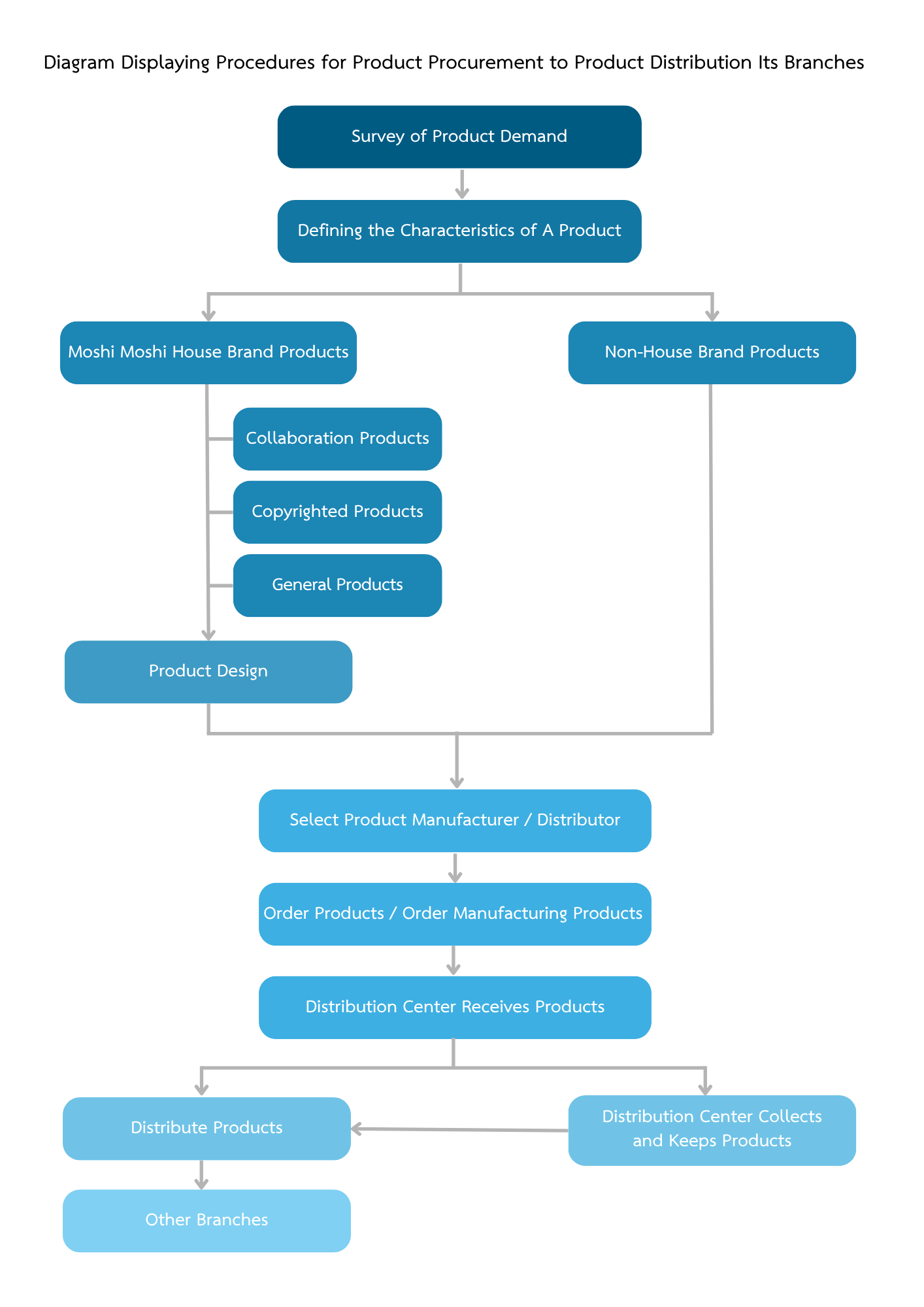
Reporting Mode
3117
Procurement (Overall)
1. Market Demand Analysis
Target Audience Study: The company prioritizes studying the needs of its target customer groups by surveying product trends and consumer behavior through internal and external data, such as analyzing past sales, collecting data from online channels, and conducting surveys. This information helps the company adjust product proportions, as well as develop and design new products that better meet market demands.
Market Trend Monitoring: The company emphasizes monitoring market directions and new trends that may affect product selection for sale. This is done by surveying markets in leading department stores, hypermarkets, and shopping centers domestically, as well as traveling abroad to countries such as China, Japan, and South Korea to study fashion trends and consumer behavior in the global market. Furthermore, information is obtained from distributors and agents abroad, as well as participating in trade shows and monitoring news from reliable sources, to effectively offer products that meet market demands and align with the latest trends.
2. Product Specification
Defining product characteristics is a crucial step in developing new products or improving existing ones to align with market and customer demands, and to compete effectively. Various factors must be considered, as follows:
Select product type: Define the type and characteristics of products to be imported or manufactured to suit market demands.
Define product specifications: Consider technical attributes such as size, color, shape, material, and functionality, as well as quality standards, to ensure products are safe, functional, and durable.
Determine required quantity: Plan short-term and long-term order quantities to align with sales trends and management. stock products
Set appropriate pricing: Pricing must consider cost, quality, and market price. By analyzing competitor pricing data to compete effectively.
Consider sustainability and environment: The company prioritizes developing environmentally friendly products, such as using recyclable materials, reducing energy consumption in production, and selecting production processes that minimize environmental impact.
These approaches enable the company to develop products that meet customer needs, are of high quality, and can compete effectively in the market.
3. Product Design and Approval from the copyright
The company prioritizes developing product designs to be modern and meet the demands of the market and consumers. Products under the brand Moshi Moshi is divided into 3 main groups: 1. Collaboration products 2. Copyrighted products 3. General products. After the company has finalized the products to be sold, design will proceed according to the assigned groups.
4. Supplier Selection
The company selects vendors who produce or sell products that meet its requirements. Products must be of quality and safe for consumers as legally mandated. Vendors must pass qualification checks (Approved Vendor List) or, in the case of new vendors, must be registered first. Consideration is given to product quality standards, safety, production capability, on-time delivery, payment terms, credit terms, experience, and vendor reliability, as well as screening for social, labor, and environmental aspects. This is done to request quotations and product samples (if any) for comparing specifications and prices to select suitable vendors. The company requires an annual performance evaluation of vendors to determine areas for improvement and whether to continue engaging such vendors.
5. Ordering or manufacturing products
The company contacts selected suppliers to clearly define requirements regarding products, quantity, desired specifications, price according to the quotation, and delivery and payment terms for orders. Ordered products can be categorized into 2 types as follows:
5.1 Products under the Company’s House Brand
Most products sold in Moshi Moshi stores are under the Company’s house brand. These products are manufactured by contracted producers both domestically and internationally, as the Company designs the product patterns and selects the color tones to align with the store’s theme. For products featuring licensed characters or designs, the manufacturers’ factories must comply with the certification standards required by each licensor (if applicable).
5.2 Products under Other Brands (Non-house Brand)
Products under other brands (Non-house Brand) mainly consist of items purchased by the Company from suppliers and/or distributors both domestically and internationally in order to enhance the product assortment available at Moshi Moshi stores. The Company plans purchases of Non-house Brand products for each product category and brand in advance, taking into account customer demand trends as well as historical sales data to analyze and determine the quantity for each purchase order. Most Non-house Brand products include stationery items, licensed children’s bags, popular licensed merchandise, and blind boxes. Suppliers or distributors are required to provide a certificate of copyright or licensing (if applicable), or documentation confirming that they are authorized distributors appointed by the manufacturer, demonstrating their rights to distribute such products in Thailand to the Company.
6. Warehouse Management
All products from suppliers will be consolidated at the warehouse before being distributed to the company's various branches nationwide. Currently, the company has a warehouse 1 location, situated in Om Yai Subdistrict, Sam Phran District, Nakhon Pathom Province, with a total usable area of 28,500 square meters covering 13 rai out of a total area of 21 rai. This warehouse serves as a storage facility for products shipped from manufacturers, distributors, and/or agents, as well as the primary location for product quality inspection, product assembly, product packaging, and product distribution to the company's branches nationwide. The company's warehouse management procedures are as follows:
6.1 Product Receiving Process from Suppliers
For domestic products, Goods Receiving Department will check order information and product delivery dates from the system. Warehouse Management System (WMS) for imported products. Planning and Distribution Department will coordinate with Procurement and Product Development Department regarding the product delivery schedule to prepare space and personnel for receiving goods.
Upon arrival of products at the warehouse, for domestic products, Department receiving will inspect products from suppliers by comparing the goods receipt with the purchase order, invoice, or delivery note. This involves verifying product accuracy, counting the total quantity, and randomly inspecting product quality. If products that do not meet the specified quality are found, The Warehouse and Logistics Department will notify the Procurement and Product Development Department to coordinate with the seller to return products or rectify product quality. For imported products, overseas distributors will inspect the quantity by counting cartons and randomly checking product quality before proceeding with shipment. Upon arrival of products at the warehouse, Department receiving will count the number of cartons and products against the invoice and packing list. Subsequently, Department assembly will count the number of items and inspect the quality of all products. If products that do not meet the specified quality are found, the company will contact the product distributor to coordinate with the overseas seller to issue a credit note or send replacement products, etc. After counting the products, the products will be recorded into the system. WMS and bring stored in designated zones and locations, awaiting assembly or packaging and subsequent delivery to branches.
6.2 Product Storage and Counting Process in the Warehouse
The company divides product storage areas to facilitate easy searching and counting of products, with separate storage areas for General merchandise will be stored according to product type and product groups requiring special care, such as cream products and cosmetics perfumes, as well as small, high-value items prone to loss will be stored in a room with access control systems and is an air-conditioned room with temperature control. Additionally, labels indicating products with quarterly expiration dates are affixed to packaging boxes, separated by color.
Product counting at the warehouse requires inventory counting of products all products at least once a year, with Accounting Department and finance jointly counted with the Warehouse and Logistics Department, with auditors also observing the count, and monthly cycle counts are performed by the Warehouse and Logistics Department to ensure ensure that the product quantity matches the system. Additionally, the company has implemented a Warehouse Management System (WMS) to assist with various tasks, including controlling inventory levels, storing product location data, and packing products into boxes for delivery to various branches. The system identifies the most suitable storage locations to enable fast and highly efficient product packing.
The Company requires a review of the inventory status report at the end of each month in order to manage slow-moving products by reallocating them to high-performing stores. Promotional campaigns and price discounts are also implemented to facilitate inventory clearance.
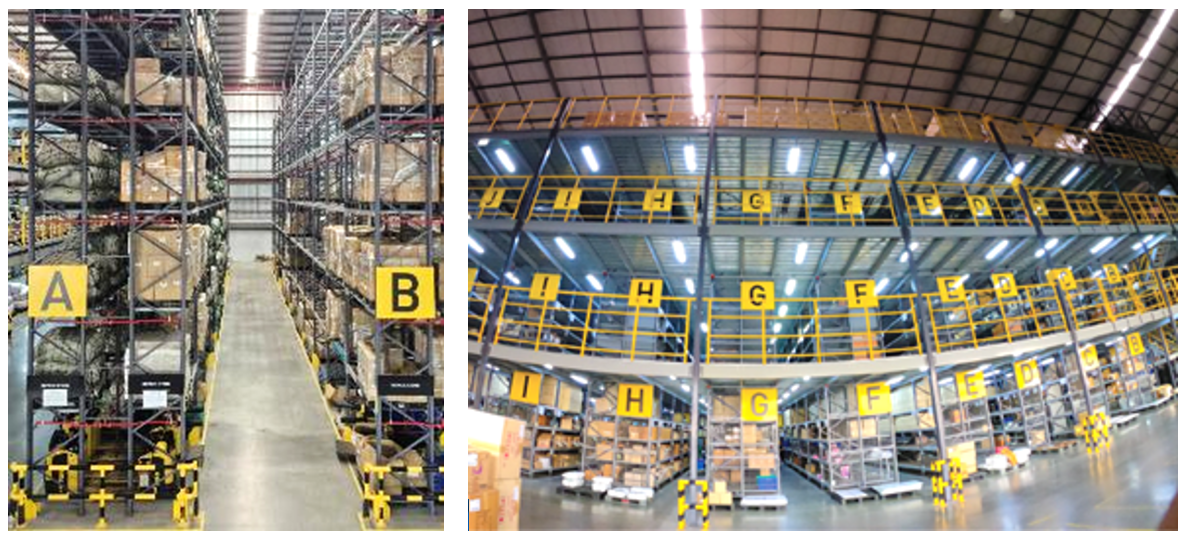
6.3 Product Distribution Process
Products will be arranged according to orders submitted through the WMS system, separated by work area. The arranged products will then be sent to the inspection and packing department to verify product accuracy before being forwarded to retail branches. Product distribution is carried out from the warehouse to branches nationwide using the Company’s transportation fleet, as well as third-party logistics providers.
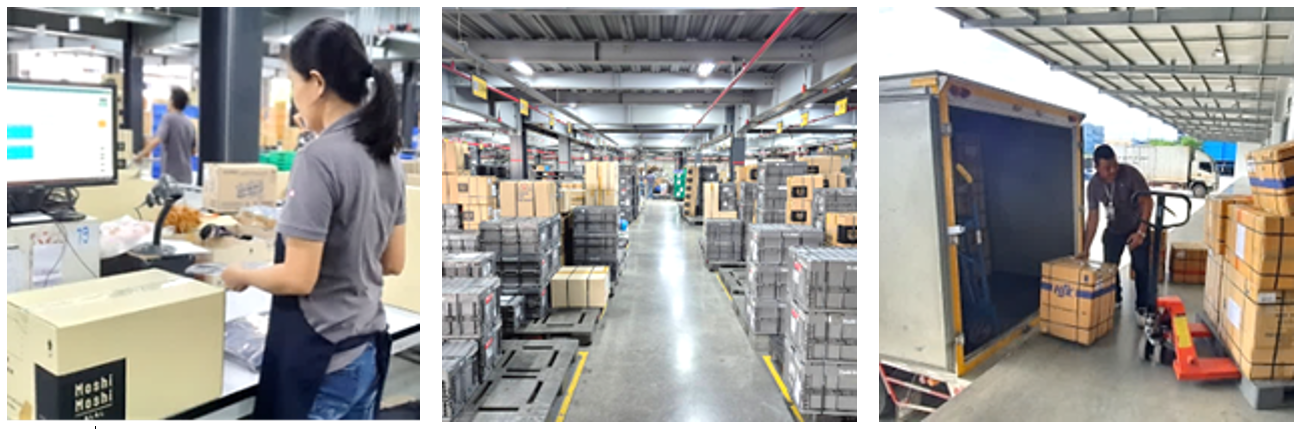
7. In-Store Product Management
Each of the company's branches will display and store products according to different types and quantities, depending on the branch size, location, and customer demand in that area. The company conducts a full inventory count for each branch at least twice a year, engaging external service providers (Outsource) to perform the counting, and Product Inspection Department jointly observe and verify again. In case of discrepancies from the count, the causes will be analyzed to determine future corrective actions, and inventory balances in the accounting system will be adjusted. However, currently, the company has measures to prevent product loss, including product counting from the receiving stage, installation of CCTV cameras, employee screening before exiting the sales area.
Raw Material Acquisition (Overall)
N/A
Production Policy (Overall)
N/A
Production Capacity (Overall)
| Item | Unit | Unit (if Other) | Used | Capacity |
|---|---|---|---|---|
| None | Others | None | 0 | 0 |
Domestic/Overseas Purchase Proportion (Overall)
| Raw Material | Source Country | Value |
|---|---|---|
| - | Thailand | 0 |
Projects Under Construction
Has Projects Under Construction (Y/N)
No
Debentures & Bills of Exchange
Has Debentures (Y/N)
No
Convertible Securities
Has Convertible Securities (Y/N)
No